In today’s competitive digital world, businesses must manage separate mobile apps and websites that consume development resources and provide inconsistent user experiences. This expensive strategy not only stretches IT budgets but also leads to inconsistencies that frustrate customers and damage brand image. The solution lies in Progressive Web Apps (PWA).
An enterprise PWA combines the easy access of websites with the features of native mobile apps. This creates a single platform that works smoothly on all devices. These applications load quickly, function offline, send push notifications, and can be installed directly from the browser without needing app store downloads. PWAs allow businesses to maintain a competitive edge through better user experiences while also reducing development complexity and speeding up time-to-market.
At Intellivon, we have helped top companies tackle these challenges through custom PWA development. Our enterprise AI solutions integrate smoothly into existing systems and grow easily with business expansions. In this blog, we’ll look at enterprise PWAs, their features, practical case studies, and how we develop custom solutions for enterprises.

Key Takeaways of the Enterprise PWA Market
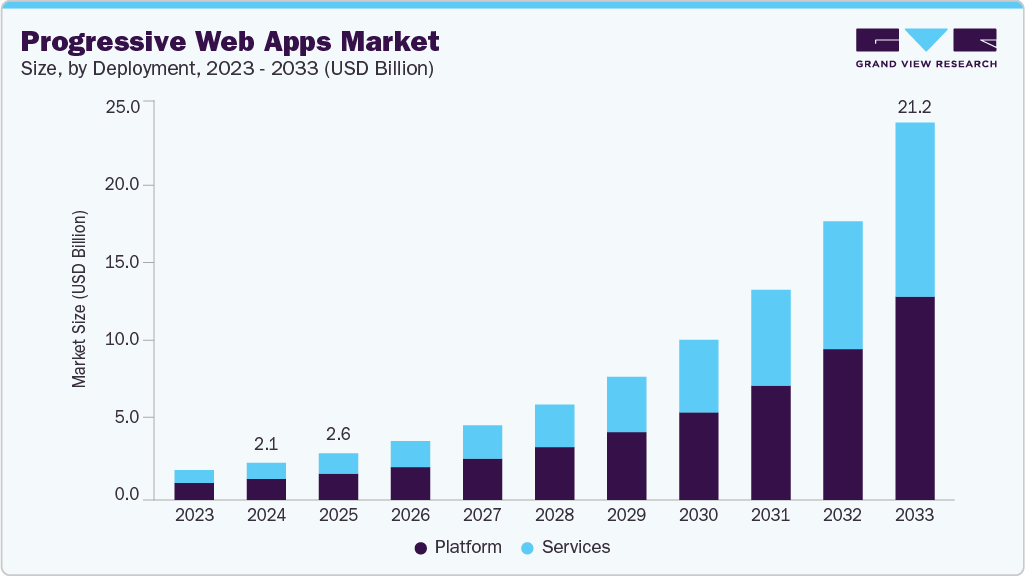
The global PWA market is projected to surpass USD 15 billion by 2025 and exceed USD 21 billion by 2033, growing at a nearly 30% CAGR. The enterprise PWA market is expanding rapidly, fueled by digital transformation, mobile-first consumption, and the push for cost-effective, cross-platform solutions. Enterprises are increasingly choosing PWAs to balance scalability, user experience, and efficiency without incurring the heavy costs of native app development.
Market Size and Growth Projections
- Another report values the market at USD 2.8 billion in 2025, with an estimated CAGR of 31.1% through 2030.
- Large enterprises account for over 54–56% of total revenue in 2024, driven by their need for scalable digital solutions.
Industry Adoption and Use Cases
- Flipkart saw 70% higher conversions, and Starbucks doubled daily active users.
- Media and entertainment players like Spotify and Pinterest boost streaming speed and retention, especially in bandwidth-limited regions.
- Finance and healthcare enterprises deliver secure, responsive PWAs for banking, insurance, and patient portals.
- Travel, hospitality, logistics, government services, and social media benefit from offline-ready, fast-loading interfaces.
Benefits Driving Enterprise PWA Adoption
- Cost Efficiency: One codebase reduces development costs by up to 70%.
- Improved User Experience: Faster loading, offline access, and push notifications lower bounce rates by up to 60%.
- Scalability and Performance: PWAs handle high traffic and offline workflows, ideal for enterprise operations.
- Security & Compliance: Built-in HTTPS and API security support GDPR, HIPAA, and enterprise regulations.
- Future-Proof Technology: Evolving standards, AI, and AR/VR integration ensure long-term innovation.
How PWAs Work in Enterprises
PWAs bring together the best of web and native app functionality. They are designed to meet enterprise needs for scalability, performance, and cross-platform reach. Here’s a breakdown of how PWAs typically work in an enterprise setting.
1. Foundation: Modern Web Technologies
PWAs are built using standard web technologies like HTML5, CSS3, and JavaScript. Enterprises often leverage frameworks such as React, Angular, or Vue.js. This foundation ensures compatibility across browsers and devices, eliminating the need for separate native app development.
2. Manifest File for Native-Like Experience
A PWA uses a web app manifest file, which defines its name, icons, colors, and launch behavior. This file allows users to install the app directly on their device home screen. By bypassing app stores, enterprises make PWAs more accessible and engaging.
3. Service Workers for Offline
Service workers are scripts running in the background that handle caching, offline access, and push notifications. In an enterprise PWA:
- They cache business data and resources for seamless offline access.
- They sync offline data (like forms or sales entries) when connectivity returns.
- They manage push notifications for real-time engagement and updates.
This ensures uninterrupted operations for distributed teams and customers in low-connectivity areas.
4. Responsive and Adaptive Design
PWAs use responsive design to adapt layouts across desktops, tablets, and mobile devices. Enterprises benefit from consistent usability whether employees are working at a desk or in the field.
5. Integration with Enterprise Systems
PWAs integrate smoothly with backend systems such as CRM, ERP, and analytics platforms using APIs. This enables real-time data exchange, personalized content delivery, and connected workflows. The modular architecture of PWAs supports these integrations without costly redevelopment.
6. Deployment and Continuous Improvement
PWAs are deployed over HTTPS for security and updated instantly without app store delays. Users always access the latest version. Enterprises can monitor usage through analytics, roll out new features quickly, and scale efficiently to meet evolving business goals.
Enterprise PWAs harness modern web capabilities to deliver fast, reliable, and native-like experiences. They improve engagement through offline access, push notifications, and real-time updates, while reducing development overhead with a single, unified codebase.
Business Benefits of PWAs for Large Enterprises
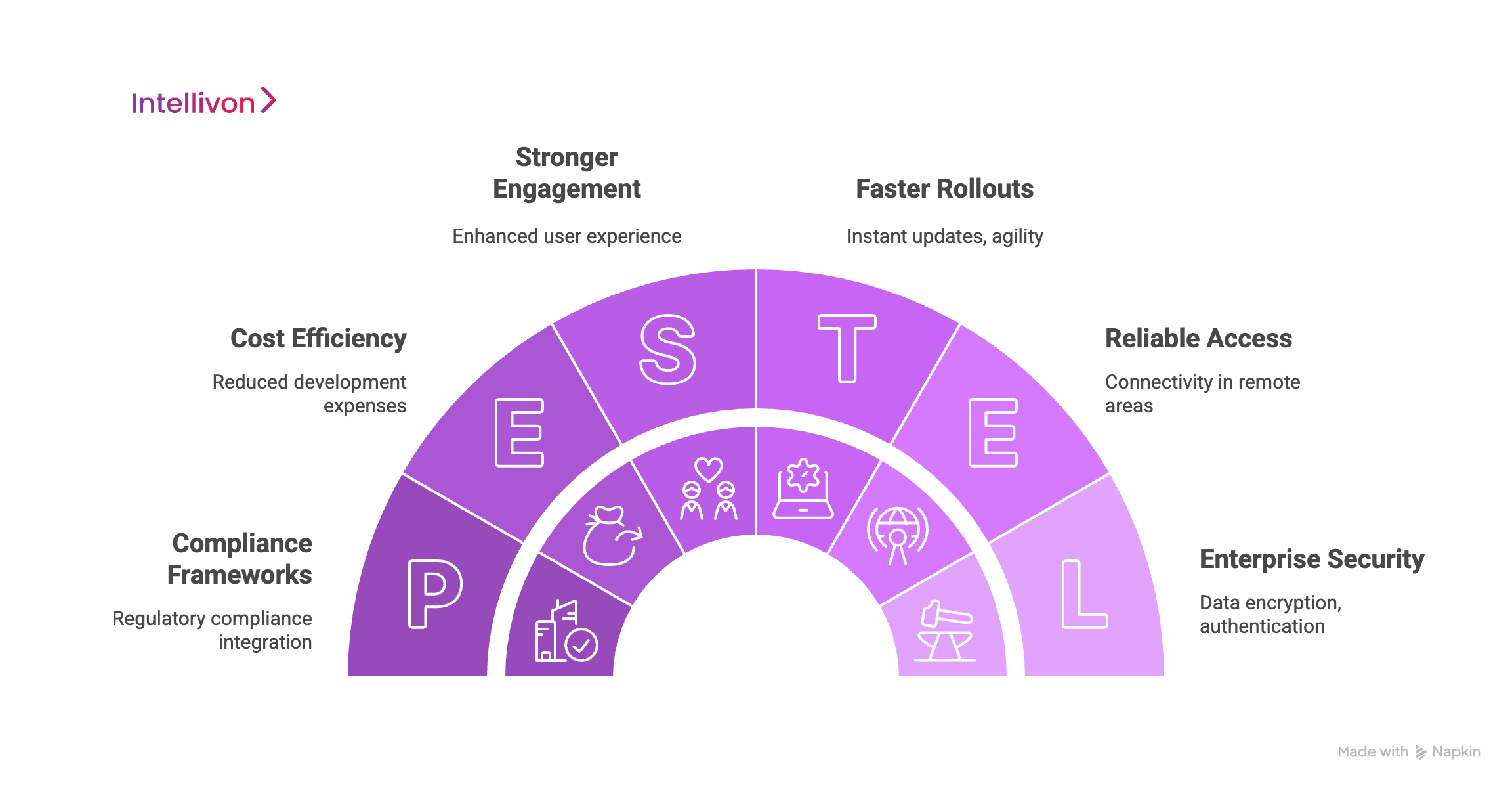
Enterprise leaders want solutions that reduce costs, improve performance, and deliver measurable business outcomes. By combining the reach of the web with the functionality of native apps, PWAs create significant advantages for large enterprises. Below, we break down the most important business benefits.
1. Cost Efficiency
Traditional mobile app development requires building and maintaining separate versions for iOS, Android, and web. This multiplies costs for both development and long-term support. With PWAs, enterprises use a single codebase to distribute across multiple platforms.
This approach reduces upfront development expenses by up to 70% compared to native apps. For large organizations with complex digital ecosystems, these savings free up resources for innovation and customer-focused initiatives. Cost efficiency ensures that long-term digital transformation remains financially sustainable.
2. Faster Rollouts
In native app development, every update must pass through app store approval processes. This adds delays, slows response times, and restricts how quickly enterprises can deliver improvements. PWAs eliminate this friction.
Because PWAs update instantly over HTTPS, enterprises can release new features, fix bugs, or enhance security without waiting for approvals. Faster updates also mean teams can respond quickly to user feedback. In industries like retail or finance, where agility directly impacts competitiveness, this speed is a clear advantage.
3. Stronger Engagement
Enterprises invest heavily in customer engagement, but traditional mobile apps often face high uninstall rates. PWAs counter this with experiences that feel native but are easier to access.
They support push notifications, smooth animations, and responsive design, all elements that keep users engaged. Businesses have reported bounce rate reductions of up to 60% and session durations increasing by double digits after switching to PWAs. For enterprises, this translates directly into stronger retention, higher loyalty, and more meaningful interactions with customers.
4. Reliable Access
Global enterprises often have distributed teams, remote employees, and customers in regions with limited connectivity. Native apps struggle in low-bandwidth environments, while websites typically fail offline. PWAs address this problem through service workers that cache critical data.
Employees in the field can still access essential information without internet connectivity. Customers can browse products, submit forms, or save actions offline and sync later. This reliability ensures business continuity, even under less-than-ideal network conditions. For industries like logistics, healthcare, or utilities, this reliability is mission-critical.
5. Higher Conversions
Improved usability and speed translate into real revenue impact. Retail enterprises, for example, have seen remarkable results:
- Flipkart achieved a 70% boost in conversions after adopting a PWA.
- Starbucks doubled its daily active users by offering offline-friendly ordering.
- Alibaba reported a 76% increase in total conversions.
These results show how PWAs reduce friction in the buying journey. Faster loading times, app-like interfaces, and offline reliability all encourage users to complete transactions. For enterprises, higher conversion rates directly impact the bottom line, making PWAs a measurable growth driver.
6. Enterprise Security
Security remains a top priority for large organizations, especially in regulated industries. PWAs meet these requirements by enforcing HTTPS connections, ensuring encrypted data transmission, and supporting advanced authentication.
They also integrate smoothly with enterprise compliance frameworks, including GDPR and HIPAA. Because updates roll out instantly, vulnerabilities can be patched immediately without waiting for app store delays. This gives enterprises both peace of mind and operational agility. In sectors like finance, insurance, and healthcare, such security advantages are critical.
For decision-makers, the case is clear: PWAs are a strategic investment that aligns with enterprise priorities for scalability, efficiency, and long-term competitiveness.
Key Technical Features of Enterprise PWAs
PWAs stand out because of the advanced technologies behind them. These features directly support enterprise goals such as scalability, security, and user engagement. Below, we explore the most crucial technical features that make enterprise PWAs powerful, sustainable, and future-ready.
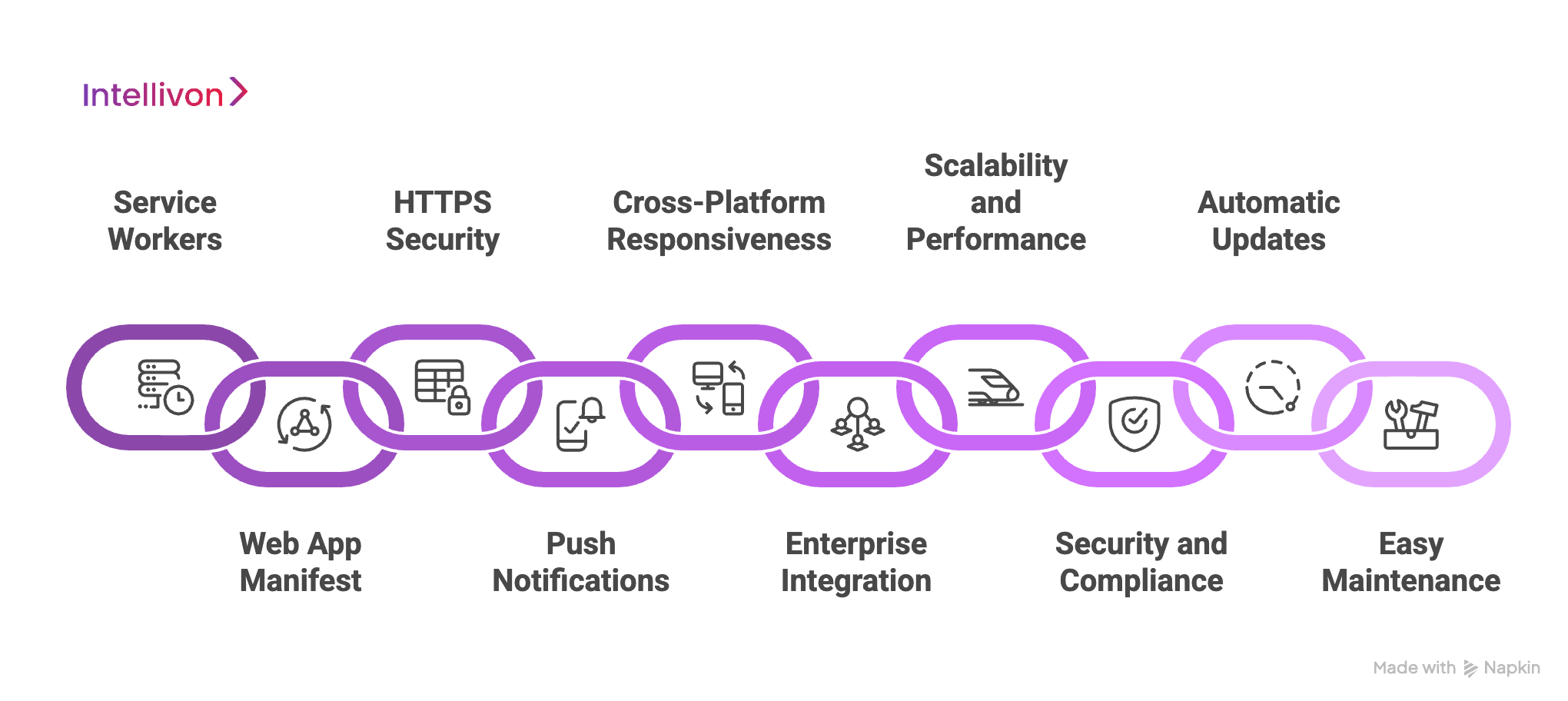
1. Service Workers
Service workers form the backbone of every PWA. They are background scripts that manage caching, network requests, and offline experiences. For enterprises, service workers unlock critical benefits:
- Offline Access: Employees or customers can continue using apps without internet access. Field teams can log data offline, and customers can browse catalogs until they reconnect.
- Caching for Speed: By storing important resources locally, service workers ensure fast page loads. This keeps user sessions smooth and reduces bounce rates.
- Background Sync: Data entered offline, like sales forms or patient notes, syncs automatically when the device regains connectivity.
In large-scale enterprise settings, these capabilities ensure uninterrupted workflows, even in low-connectivity regions.
2. Web App Manifest
The web app manifest is a simple JSON file, but it plays a critical role in shaping the user experience. Enterprises use this file to define:
- App name, description, and icons.
- Theme and background colors.
- Startup behavior on different devices.
The manifest allows users to “install” the PWA onto their home screen, making it look and behave like a native app. Unlike app store downloads, installation is instant. For enterprises, this reduces friction and makes digital tools more accessible. It also strengthens brand identity by ensuring a consistent look and feel across platforms.
3. HTTPS Security
Security is non-negotiable in enterprise environments. PWAs enforce HTTPS connections by default, encrypting all communication between users and servers. This provides several enterprise-level advantages:
- Data Protection: Sensitive data, including financial records or patient details, is protected in transit.
- User Trust: Secure connections reassure users and strengthen confidence in enterprise platforms.
- Compliance Alignment: HTTPS is the first step toward meeting stricter frameworks like GDPR, HIPAA, and PCI DSS.
By embedding HTTPS into the PWA structure, enterprises reduce risks and position themselves as reliable digital providers.
4. Push Notifications
Push notifications are one of the most powerful engagement tools in PWAs. They allow enterprises to reach users in real time with personalized updates. For example:
- Retailers can send discount alerts or abandoned cart reminders.
- Banks can notify customers of account activity.
- Healthcare providers can remind patients about appointments or test results.
Unlike traditional websites, PWAs can deliver these updates even when the app isn’t open. This keeps enterprises connected with users, improves retention, and drives meaningful engagement. When applied carefully, push notifications turn enterprise PWAs into active engagement platforms rather than passive digital tools.
5. Cross-Platform Responsiveness
A key strength of PWAs is their ability to run smoothly across devices. Whether accessed on desktop, mobile, or tablet, the experience remains consistent. Responsive design ensures that:
- Layouts adapt to different screen sizes.
- Touch and mouse inputs work seamlessly.
- Performance remains stable under varied conditions.
For enterprises, this eliminates the need to build device-specific applications. Employees and customers can access services on any device, saving time and improving accessibility. For global organizations, cross-platform responsiveness ensures inclusivity, especially when device diversity is high.
6. Enterprise Integration
A PWA’s modular architecture makes integration straightforward. Enterprises can connect PWAs to systems like CRM, ERP, HR platforms, or e-commerce backends using APIs. This integration creates major advantages:
- Unified Workflows: Data flows seamlessly between platforms, reducing duplication.
- Personalized Experiences: Customer insights from CRM can drive tailored content in the PWA.
- Operational Efficiency: Teams manage everything in one interface, without switching between systems.
For large enterprises, such integration eliminates silos and enhances productivity. It also ensures that PWAs become a natural extension of the enterprise ecosystem, not a standalone tool.
7. Scalability and Performance
Enterprises handle massive user traffic, often across global operations. PWAs are designed to scale effectively under these conditions. They use:
- Lightweight Codebases: Optimized frameworks keep performance high, even during peak loads.
- Dynamic Caching: Service workers manage frequently accessed content, reducing strain on servers.
- Cloud Hosting: PWAs run effectively in cloud environments, scaling as demand grows.
This scalability is vital for enterprises with seasonal demand spikes, like retail during holidays or travel during peak seasons. A well-architected PWA ensures consistent performance, regardless of user volume.
8. Security and Compliance
Beyond HTTPS, enterprise PWAs support advanced security practices. These include secure API connections, token-based authentication, and role-based access controls. This approach allows enterprises to:
- Enforce strict data security across departments.
- Protect sensitive business transactions and customer interactions.
- Meet compliance needs in finance, healthcare, and government sectors.
By designing PWAs with compliance in mind, enterprises reduce regulatory risks while maintaining strong customer trust.
9. Automatic Updates
Traditional apps often frustrate users with constant update prompts. Enterprises also struggle with the delayed adoption of critical fixes when users fail to update. PWAs solve this problem through automatic updates. Every time a user loads the PWA, they access the latest version. Enterprises can roll out bug fixes, features, or security patches instantly. This means:
- No App Store Delays: Updates bypass approval processes.
- Consistent Versions: All users work with the same updated app.
- Lower Maintenance: IT teams manage fewer version conflicts.
For large enterprises, automatic updates keep operations secure and efficient while reducing maintenance burdens.
10. Easy Maintenance
Because PWAs rely on a unified codebase, maintenance is simpler compared to native apps. Instead of supporting multiple versions across platforms, enterprises manage one central application. This simplifies:
- Bug Fixes: One update addresses all platforms.
- Feature Rollouts: Enterprises introduce new capabilities once, not multiple times.
- Resource Allocation: Teams spend less time on repetitive tasks and more on innovation.
For enterprises focused on efficiency, the ease of maintaining PWAs represents a significant strategic advantage.
For decision-makers, these technical features explain why enterprise PWAs are quickly becoming a cornerstone of digital transformation strategies across industries.
Enterprise PWA Use Cases and Industry Applications
PWAs are not limited to one sector. They are transforming multiple industries by improving scalability, engagement, and operational efficiency. Below, we explore how enterprises across industries leverage PWAs for measurable impact:
1. Retail & E-Commerce
In retail and e-commerce, milliseconds matter. PWAs reduce friction in the shopping journey, enabling faster browsing, checkout, and re-engagement that directly boosts sales and loyalty.
a. Improved Conversions
PWAs deliver lightning-fast browsing and checkout flows, reducing friction and helping enterprises convert visitors into paying customers more effectively.
b. Cart Abandonment Reduction
Offline capabilities and instant loading ensure users can complete purchases even in poor connectivity environments, lowering abandonment rates.
c. Personalized Shopping Journeys
Integration with CRMs and AI tools enables tailored product recommendations and a more engaging shopping experience.
Enterprise Example:
Alibaba adopted a PWA to reach mobile-first customers who often dropped off due to poor network conditions. After implementation, the PWA delivered a 76% increase in mobile conversions and improved re-engagement rates by making the buying process smoother. The company also saw faster page loads and significantly better customer satisfaction, positioning the PWA as a vital driver of growth in competitive e-commerce markets.
2. Financial & Banking Services
For financial services, security and speed are non-negotiable. PWAs empower banks and fintech firms to deliver reliable, compliant, and app-like experiences without store dependencies.
a. Secure Mobile Banking
PWAs with HTTPS and strong encryption deliver a safe, app-like experience for mobile banking without requiring downloads.
b. Instant Account Access
Customers can check balances, transfer money, and make payments instantly, even with limited network conditions.
c. Push-Based Notifications
Timely updates about transactions, fraud alerts, and new offers improve customer trust and engagement.
Enterprise Example:
Bank of America leveraged PWA technology to ensure customers could access accounts quickly without relying on app store updates. Its PWA approach allowed seamless updates while meeting strict regulatory and compliance standards. Customers benefited from improved login times, real-time notifications, and a frictionless banking experience, helping the bank strengthen loyalty in a highly competitive sector.
3. Travel, Hospitality & Logistics
Enterprises in travel and logistics thrive on reliability and convenience. PWAs ensure smooth booking, offline itinerary access, and real-time updates, that is essential for customer trust and operational efficiency.
a. Seamless Booking
PWAs streamline booking processes for flights, hotels, and transport, removing app store barriers and improving user adoption.
b. Offline Itinerary Access
Travelers can access itineraries, boarding passes, and maps offline, ensuring convenience during network disruptions.
c. Real-Time Updates
Enterprises can deliver push alerts for gate changes, delays, or delivery tracking in logistics.
Enterprise Example:
Trivago implemented a PWA to replace its slower mobile website, which was failing to convert users effectively. The PWA reduced load times dramatically, provided offline functionality, and created a smoother booking experience. As a result, the company saw a 150% increase in user engagement and improved session lengths, making its platform far more competitive in the global travel market.
4. Media & Publishing
For publishers, reader engagement depends on speed and accessibility. PWAs deliver instant content loading, offline reading, and personalized notifications that increase loyalty in a saturated digital landscape.
a. Instant Content Loading
PWAs reduce load times dramatically, allowing publishers to keep readers engaged without drop-offs.
b. Offline Reading
Users can download articles for offline reading, ideal for areas with inconsistent connectivity.
c. Personalized Notifications
Push alerts for breaking news and updates ensure readers stay informed in real time.
Enterprise Example:
Forbes rolled out a PWA to combat declining engagement caused by slow-loading mobile pages. The new experience loaded in just 2.5 seconds, offering a seamless reading experience even on poor connections. With offline access and personalized push notifications, Forbes doubled average session duration and increased return visits, proving PWAs’ effectiveness in digital publishing.
5. Healthcare
Healthcare demands security, accessibility, and reliability. PWAs empower enterprises to provide seamless patient services, timely notifications, and remote access, all without compromising compliance or trust.
a. Patient Portals
Enterprises can provide patients with secure, browser-based portals for records, appointments, and consultations without requiring dedicated app downloads.
b. Remote Access to Care
PWAs facilitate remote care by supporting telemedicine services accessible on any device.
c. Medication Reminders
Push notifications remind patients about prescriptions, improving adherence and overall health outcomes.
Enterprise Example:
UnitedHealthcare introduced PWA functionality to simplify access for patients managing appointments and health records. The PWA eliminated the friction of downloading a native app, making digital adoption easier. Patients gained the ability to access services securely across devices, receive timely reminders, and connect with healthcare providers remotely, resulting in higher satisfaction and better health engagement.
6. Social Media & Communication
For social platforms, reach and speed are everything. PWAs enable lightweight, scalable, and high-performance communication tools that save data and expand global engagement.
a. High Engagement Apps
PWAs support responsive design, enabling seamless multimedia sharing and high-quality video experiences across devices.
b. Data Savings
Lightweight architecture reduces data usage, critical in regions with expensive or limited internet.
c. Scalable Platforms
PWAs scale easily to support millions of users globally without dependency on app stores.
Enterprise Example:
Twitter Lite was launched as a PWA to address user retention challenges in data-sensitive markets. By cutting data usage by 70% and improving page load speed significantly, it became the preferred option in emerging regions. Twitter reported 65% more pages per session and increased tweets, proving that PWAs can scale globally while maintaining performance and user engagement.
Real-World Enterprise PWA Case Studies
PWAs are proving to be transformative for enterprises. Leading global brands have implemented PWAs to overcome connectivity challenges, improve user engagement, and increase conversions. The following case studies highlight measurable results and strategic insights that enterprise decision-makers can apply to their own digital initiatives.
1. Starbucks: Offline Access Drives Engagement
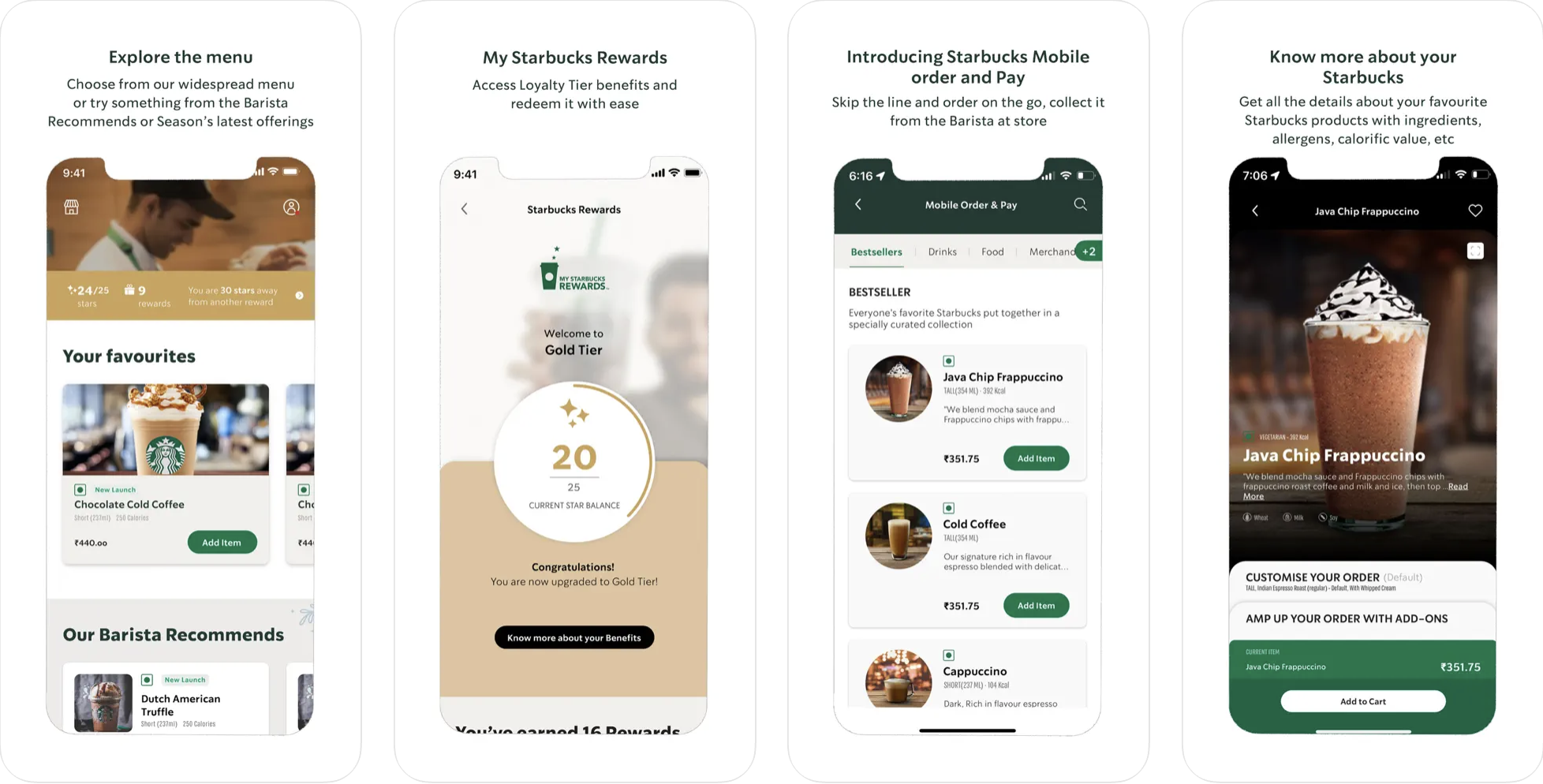
Challenge:
Starbucks needed a solution to reach mobile-first customers in regions with unreliable internet. Its existing mobile app required large downloads and frequent updates, discouraging new users.
Solution:
The company introduced a PWA that allowed browsing, customizing drinks, and placing orders offline. Service workers cached critical resources and synced orders once connectivity returned. This ensured a seamless user experience across all devices.
Impact:
The PWA yielded remarkable results.
- Starbucks doubled daily active users, increased re-engagement rates, and enhanced loyalty program adoption.
- The platform also reduced bounce rates as users could now access the menu instantly.
Key Takeaway:
For enterprises, Starbucks’ experience demonstrates that PWAs can eliminate barriers to adoption.
- Offline functionality is a necessity for global customer bases.
- PWAs allow seamless service delivery even when connectivity is limited.
- Enterprises can extend reach without increasing app complexity.
- Push notifications enable timely engagement, driving repeat usage.
Starbucks proves that investing in a PWA can directly impact engagement and revenue. Decision-makers should consider PWAs as a scalable solution for mobile-first markets.
2. BMW: Premium Experience, Fast Performance
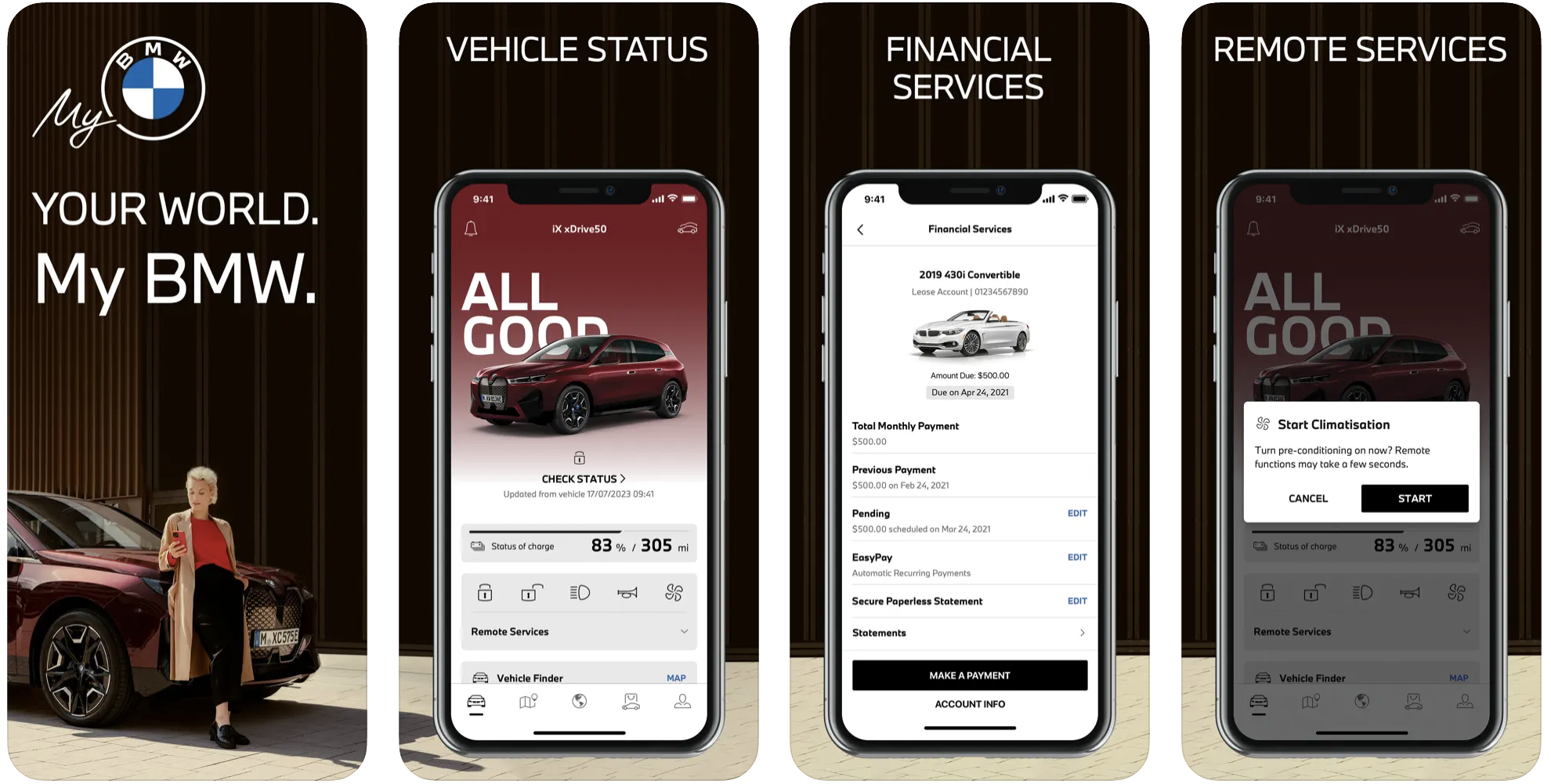
Challenge:
- BMW wanted to create a mobile experience that reflected the brand’s luxury.
- The previous mobile website lacked interactivity, and native apps required heavy downloads.
Solution:
- BMW developed a PWA to deliver high-resolution images, 360-degree views, and vehicle configurators in a fast, responsive interface.
- Service workers ensured smooth offline access to product details.
- Users could explore models and configure options without delays.
Impact:
The results were striking.
- BMW reported a 4x increase in mobile site visits and a 50% boost in mobile-generated leads.
- Page load times decreased significantly, improving user satisfaction.
- The PWA also enhanced cross-device consistency, allowing desktop and mobile users to enjoy a similar experience.
Key Takeaways
For enterprises, BMW illustrates the strategic value of PWAs for premium brands.
- Fast load times and app-like interactivity build credibility and trust.
- PWAs allow seamless integration with enterprise systems such as CRM and ERP for personalized experiences.
- Offline capabilities ensure users remain engaged even in low-bandwidth environments.
- PWAs reduce development overhead by consolidating codebases for web and mobile.
BMW’s success proves that PWAs support high-value engagement without compromising digital quality. Leaders should view PWAs as tools to enhance both experience and operational efficiency.
3. Flipkart: Reducing Cart Abandonment
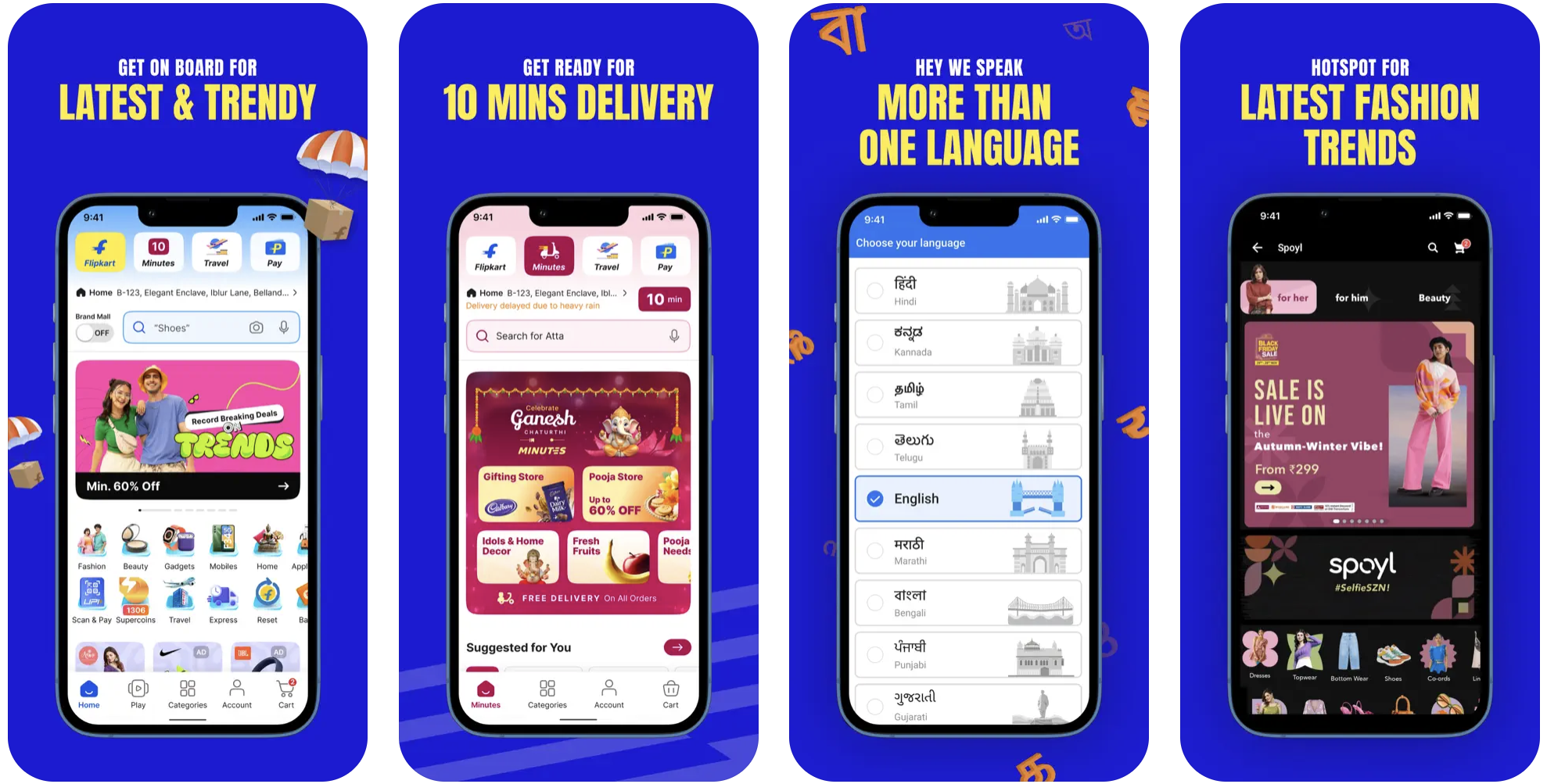
Challenge:
- Flipkart faced high mobile cart abandonment due to slow load times and poor connectivity.
- Native apps were storage-intensive and required frequent updates.
Solution:
- The company created Flipkart Lite, a PWA combining web reach with app-like performance.
- Offline browsing, fast page loads, and push notifications enhanced user experience.
- Critical cart data persisted offline, syncing automatically when users regained connectivity.
Impact:
- Flipkart saw a 70% increase in mobile conversions and a 40% rise in re-engagement rates.
- User sessions became longer, and customers returned more frequently.
- The PWA simplified onboarding for first-time users, while maintaining performance across diverse devices.
Key Takeaways
- This case shows enterprises how PWAs can directly influence revenue.
- Reduced friction leads to higher conversions.
- Offline access ensures customers remain engaged even in challenging network conditions.
- Businesses can target mobile-first markets with confidence.
Enterprises should consider PWAs essential for enhancing retention and reducing drop-offs. The Flipkart example highlights scalability for large e-commerce operations.
4. AliExpress: Global Reach and Engagement

Challenge:
- AliExpress struggled with slow mobile web performance across its international user base.
- Page load delays and clunky navigation hindered conversions.
Solution:
- The company implemented a PWA to offer instant loading, offline access, and smooth navigation.
- Users could browse, add items to carts, and check out without interruption, even in low-bandwidth areas.
Impact:
- The PWA delivered a 104% increase in new user conversions and a 74% rise in session durations.
- iOS conversions improved by 82%, and bounce rates dropped substantially.
- Push notifications enhanced engagement with personalized product alerts.
- AliExpress successfully unified the web and app experience, reducing maintenance overhead.
Key Takeaways:
- For enterprises, AliExpress’s success emphasizes the importance of PWAs in global markets.
- Fast, reliable experiences improve adoption in diverse geographies.
- PWAs allow enterprises to maintain consistent branding and functionality across devices.
- Offline access ensures operations are not disrupted by connectivity issues.
- A single codebase simplifies updates and security management.
AliExpress illustrates that PWAs are crucial for customer retention and revenue growth. Decision-makers should view PWAs as a strategic solution for worldwide expansion.
5. Twitter Lite: Data-Efficient Global Scaling
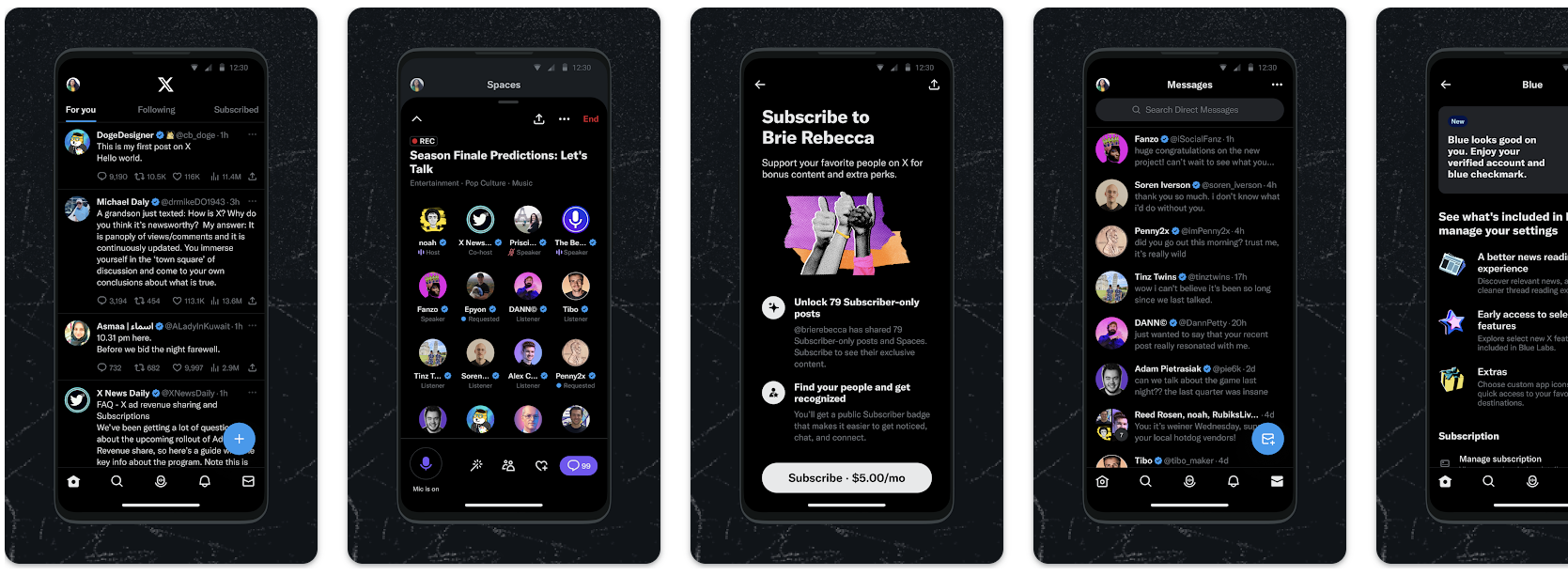
Challenge:
- Twitter Lite was designed to address data costs and storage limitations in emerging markets.
- The full native app was too large for many users, limiting adoption.
Solution and Impact:
- The PWA reduced data consumption by up to 70%, improved load times, and provided offline access to timelines.
- Users could tweet, retweet, and receive push notifications seamlessly.
- Twitter Lite achieved 65% more pages viewed per session and a 75% increase in Tweets sent.
- Engagement in regions like India, Africa, and Southeast Asia surged.
- Users enjoyed app-like functionality without large downloads, leading to higher retention and satisfaction.
Key Takeaways:
For enterprises, Twitter Lite demonstrates the power of PWAs for scalable platforms. *
- Lightweight architecture and offline access remove barriers to entry.
- PWAs allow global expansion without expensive native app distribution.
- Faster load times enhance user satisfaction and reduce bounce rates.
- PWAs support high-volume traffic efficiently, critical for social platforms.
Twitter’s success illustrates how PWAs enable market entry in resource-constrained regions. Enterprises can leverage PWAs to achieve both growth and operational efficiency simultaneously.
These successful case studies prove that enterprises can use PWAs to enhance digital transformation, drive revenue growth, and maintain competitive advantage.
Challenges Enterprises Face While Implementing PWAs
Implementing Progressive Web Apps in large enterprises is not without hurdles. Many organizations encounter technical, operational, and adoption-related obstacles. However, these challenges can be overcome with the right expertise and strategy. At Intellivon, we help enterprises navigate each stage of PWA implementation, ensuring seamless deployment, scalability, and integration.
1. Complex Integration with Legacy Systems
Modern enterprises often rely on multiple backend systems such as ERP, CRM, and e-commerce platforms. Integrating a PWA with these existing infrastructures can be technically demanding. Without proper planning, data synchronization issues and inconsistent user experiences may occur.
Our Solution:
Intellivon specializes in mapping enterprise workflows and creating modular PWA architectures. We ensure smooth integration with legacy systems through APIs and middleware solutions. Our team synchronizes offline and online data seamlessly, enabling employees and customers to interact with real-time information across platforms. This guarantees a unified experience while minimizing disruption to daily operations.
2. Performance and Scalability Concerns
High user volumes and complex workflows can strain a PWA if not properly optimized. Enterprises often worry about page load times, caching strategies, and server performance, which can negatively impact adoption and engagement.
Our Solution:
Intellivon designs PWAs with performance and scalability at the core. We implement advanced caching strategies using service workers and optimize asset loading for speed. Our solutions are stress-tested to handle millions of concurrent users, ensuring a fast, responsive, and reliable experience. Enterprises benefit from predictable performance, even during peak demand.
3. Security and Compliance Requirements
Enterprises operate under strict regulatory frameworks such as GDPR, HIPAA, and PCI DSS. Ensuring that a PWA meets these security and compliance standards can be complex.
Our Solution:
Intellivon implements enterprise-grade security protocols in every PWA. We enforce HTTPS, secure authentication, and encryption for sensitive data. Our team conducts thorough audits and ensures compliance with global and industry-specific regulations. By embedding security into the architecture, we protect both customer and enterprise data while maintaining trust and regulatory adherence.
4. Offline Functionality and Data Synchronization
PWAs must support offline access without compromising data integrity. Enterprises often struggle to sync user actions, inventory updates, or transactions when connectivity is restored.
Our Solution:
Intellivon builds robust service worker strategies and background sync mechanisms. Offline data is securely cached and automatically synchronized when connectivity resumes. This approach ensures that business processes continue uninterrupted for remote teams, field agents, and customers, regardless of network conditions.
5. User Adoption and Engagement
A technically excellent PWA can still fail if users do not adopt it. Enterprises often face challenges in educating users and maintaining engagement across devices.
Our Solution:
Intellivon focuses on delivering intuitive, app-like experiences that feel familiar to users. We integrate push notifications, personalized content, and responsive designs that adapt to devices seamlessly. Training and onboarding support are included to drive user adoption and satisfaction. This approach ensures that PWAs achieve measurable engagement and usage goals.
6. Ongoing Maintenance and Updates
Enterprises need continuous updates and feature rollouts without downtime. Managing version control and distributing updates across platforms can be difficult without proper planning.
Our Solution:
Intellivon leverages the inherent flexibility of PWAs for instant updates. Features and patches are deployed without app store dependencies, ensuring users always have the latest version. We provide ongoing monitoring, analytics, and optimization to keep the PWA aligned with business objectives. This approach minimizes maintenance overhead while maximizing performance and user satisfaction.
At Intellivon, we have guided enterprises through every stage of PWA adoption. From integration with legacy systems to delivering secure, high-performance, and engaging applications, we ensure PWAs scale with enterprise needs. By addressing these common hurdles effectively, enterprises can leverage PWAs to transform user experiences, increase operational efficiency, and drive measurable growth.
Our Step-by-Step Process for Developing Enterprise PWAs
Building a PWA for enterprises requires careful planning, technical expertise, and a clear focus on business outcomes. At Intellivon, we follow a structured process to ensure your PWA delivers performance, scalability, and exceptional user experience.
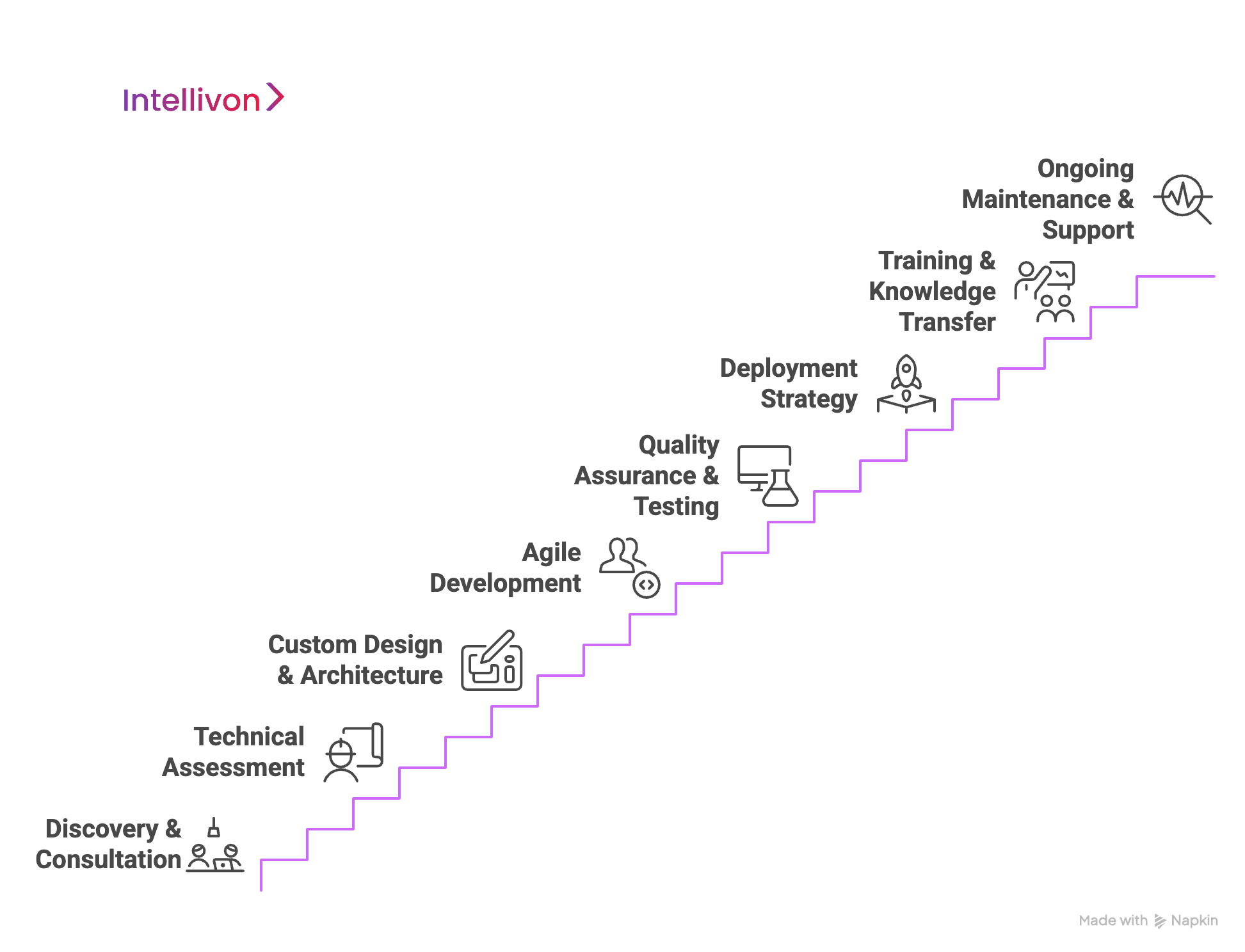
1. Discovery and Consultation
We start by understanding your business objectives, target audience, and operational requirements. This phase includes stakeholder interviews, workflow analysis, and competitor research.
By identifying key pain points and growth opportunities early, we ensure the PWA aligns perfectly with your enterprise goals. This step sets a strong foundation for a successful project.
2. Technical Assessment
Next, we evaluate your current infrastructure, including legacy systems, CRMs, ERPs, and third-party integrations.
We assess platform readiness, identify potential bottlenecks, and plan for seamless data flow. This ensures the PWA integrates smoothly with existing enterprise systems and supports future scalability.
3. Custom Design and Architecture
Our design team creates a tailored PWA architecture and UI/UX blueprint. We focus on app-like experiences that are intuitive, responsive, and visually consistent across devices.
We also plan for offline access, caching strategies, and service worker implementation to optimize performance and reliability.
4. Agile Development
Intellivon follows agile development cycles with frequent feedback loops. Clients review progress at every sprint, ensuring the PWA evolves according to business needs.
This iterative approach allows us to refine features, fix issues early, and maintain transparency throughout the project.
5. Quality Assurance and Testing
Before launch, we conduct rigorous testing to ensure reliability, security, and performance.
Cross-device compatibility, offline functionality, push notifications, and compliance standards are all validated. This guarantees a smooth user experience across all touchpoints.
6. Deployment Strategy
We plan and execute the deployment, including optional app store listings if required.
Promotion strategies, analytics setup, and monitoring tools are configured to track performance from day one. This ensures a successful launch and early adoption.
7. Training and Knowledge Transfer
We provide comprehensive training for your enterprise teams, covering PWA features, administration, and maintenance procedures.
Knowledge transfer empowers internal teams to manage the application effectively and maintain continuity.
8. Ongoing Maintenance and Support
Even after launch, Intellivon provides continuous support and updates.
We monitor performance, implement security patches, and roll out new features without app store dependencies. This keeps the PWA aligned with evolving business needs and ensures long-term success.
By following this structured process, Intellivon ensures that enterprise PWAs are delivered efficiently, meet technical and business requirements, and scale seamlessly. From discovery to ongoing support, we partner with clients to create solutions that drive engagement, improve operational efficiency, and maximize ROI.
Conclusion
Progressive Web Apps change how businesses connect with customers, improve operations, and expand digital solutions. They combine the wide reach of the web with the performance of native apps. This creates fast, reliable, and engaging experiences. Companies in retail, finance, travel, and media are experiencing real benefits in conversions, user retention, and efficiency.
Building and maintaining a strong enterprise PWA takes technical skill, integration with current systems, and a commitment to security and compliance. Working with an experienced solution provider helps ensure that the PWA is not only launched successfully but also optimized for performance, scalability, and long-term business effects. A strategic partner can help align business goals with technology execution.
Build Your Next Enterprise PWA With Intellivon
Developing an enterprise PWA is about delivering fast, reliable, and engaging experiences that scale across devices while integrating seamlessly with your existing systems. With years of experience building secure, high-performance PWAs for large organizations, Intellivon is your trusted partner in designing custom solutions that blend innovation, flexibility, and scalability to transform your enterprise operations.
Why Choose Us for Enterprise PWA Solutions?
- Tailored Solution Design: Built to integrate seamlessly with your workflows, processes, and enterprise architecture.
- End-to-End Services: Strategy, development, testing, deployment, and ongoing support for complete PWA delivery.
- Enterprise-Grade Security: Designed with robust encryption, data privacy, and compliance-first practices to protect users and operations.
- Proven Track Record: 500+ Successful projects and pilot implementations with enterprise clients, demonstrating measurable business impact.
- Future-Ready Integrations: Effortlessly connect your PWA with CRM, ERP, e-commerce, and other critical systems.
Optimized Cost Efficiency: Flexible pricing models and frameworks that reduce development time without compromising quality. - Scalability for Growth: Solutions designed to scale from single departments to global enterprise networks.
Our PWA experts are ready to help you:
- Define enterprise PWA goals and requirements with clarity.
- Build scalable, modular solutions aligned with complex workflows.
- Plan integrations and architecture for seamless system compatibility.
- Develop, test, deploy, and provide ongoing support for long-term success.
Book your free consultation today and start building the secure, scalable, and high-performance enterprise PWA your organization deserves.
FAQ’s
Q1. What is an enterprise PWA, and how does it differ from a regular web app?
A1. An enterprise PWA is a Progressive Web App designed for large organizations. It combines the accessibility of a website with the speed, offline capability, and app-like experience of a native app. Unlike standard web apps, enterprise PWAs integrate with complex systems like ERP or CRM, support high traffic, and maintain strict security standards.
Q2. Why should large enterprises adopt PWAs?
A2. PWAs help enterprises reduce development costs, improve mobile engagement, and ensure faster load times. They also allow offline access, push notifications, and seamless updates. Organizations using PWAs report higher conversions, better retention, and improved operational efficiency, making them ideal for scaling digital solutions.
Q3. What industries benefit most from enterprise PWAs?
A3. Retail, e-commerce, finance, healthcare, travel, media, and social platforms gain significant advantages. PWAs enhance mobile conversions, enable offline functionality, deliver secure access to sensitive data, and improve engagement through push notifications. Any industry needing scalability and cross-platform reach can benefit.
Q4. How do PWAs integrate with existing enterprise systems?
A4. Enterprise PWAs connect via APIs to systems like CRM, ERP, and e-commerce platforms. This allows real-time data exchange, personalized content delivery, and unified workflows. Proper integration ensures consistency, reduces errors, and maintains operational efficiency across all business processes.
Q5. Are enterprise PWAs secure and compliant with regulations?
A5. Yes, PWAs follow HTTPS protocols, secure authentication, and encryption standards. They can meet GDPR, HIPAA, PCI DSS, and other industry-specific requirements. Security is built into the architecture, ensuring data protection for both customers and internal users.
Q6. How long does it take to develop an enterprise PWA?
A6. Development timelines vary based on complexity and integration requirements. Typically, a PWA can be delivered in weeks to a few months. Using agile cycles, enterprises can receive iterative updates, ensuring faster time-to-market while maintaining performance, security, and scalability.