We’ve partnered with industry leaders, helping them navigate complex product and platform modernization projects, resulting in accelerated time-to-market and enhanced customer experiences.



Our services are designed to revamp your product architecture, streamline platform integration, and accelerate innovation, enabling you to build agile, scalable solutions that meet your business needs.
We follow a structured, results-driven process, from initial assessment and strategy to full implementation and optimization, ensuring a smooth and successful modernization of products and platforms.
Conduct market research to identify gaps and validate product ideas.
Assess customer needs through interviews, surveys, and competitor analysis.
Define the product’s value proposition and market fit.
Analyze feasibility and resource requirements for successful execution.
Outline the product roadmap, taking into account key features and development processes.
Plan for scalability, security, target audience, and cost considerations.
Define the tools, infrastructure, and design requirements for the development process.
Gather insights from product discovery to design solutions that fit user needs.
Develop the MVP using DevOps practices and CI/CD pipelines.
Ensure scalability with microservices, modular design, and MACH principles.
Implement comprehensive testing strategies for automated and manual testing.
Deploy the product with cloud-native, serverless architectures.
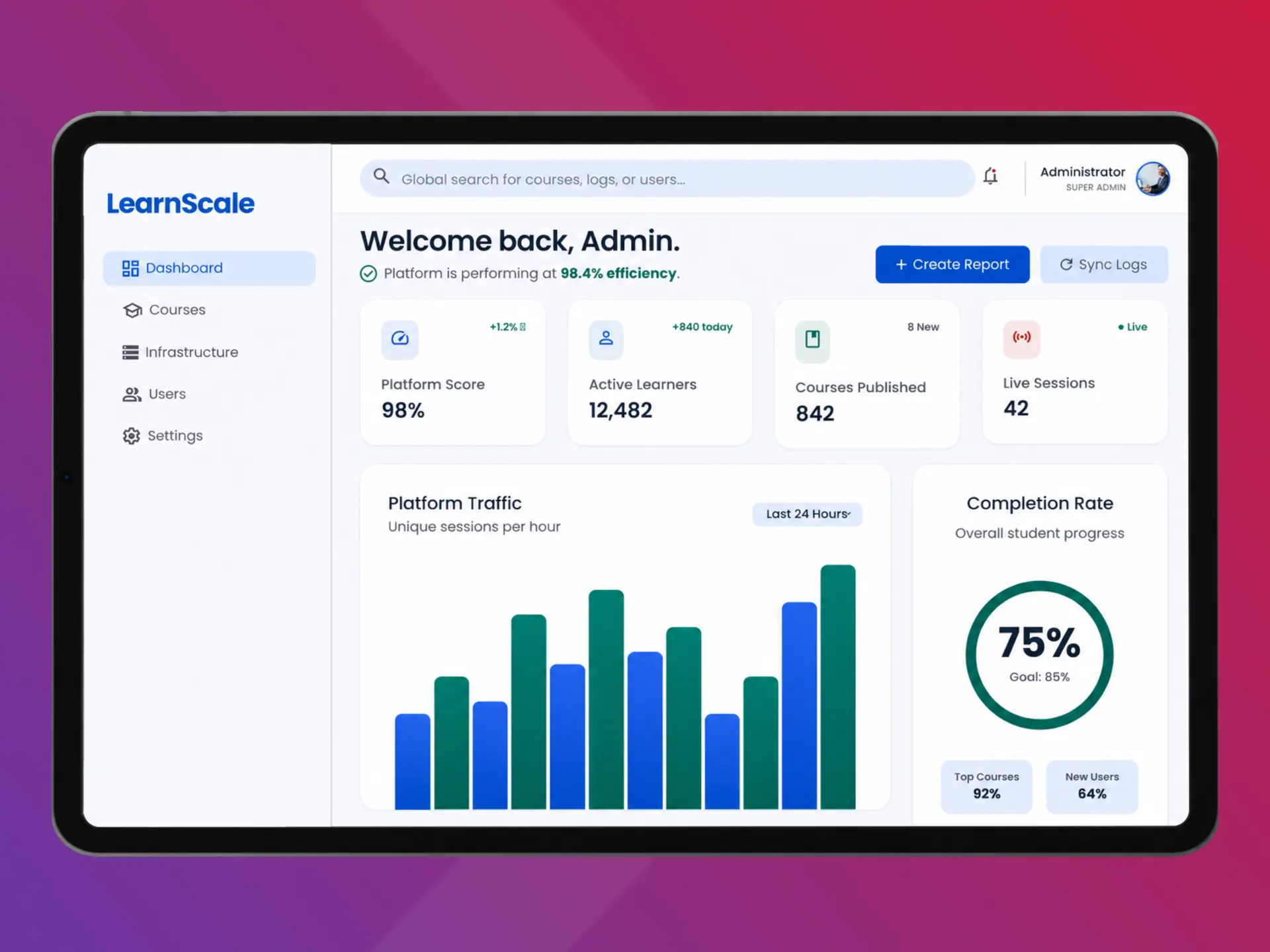
A leading EdTech company faced limitations with outdated infrastructure. We modernized their learning management system with cloud-native architecture, microservices, and API-first integration, enhancing scalability and user experience.
A leading EdTech company faced limitations with outdated infrastructure. We modernized their learning management system with cloud-native architecture, microservices, and API-first integration, enhancing scalability and user experience.
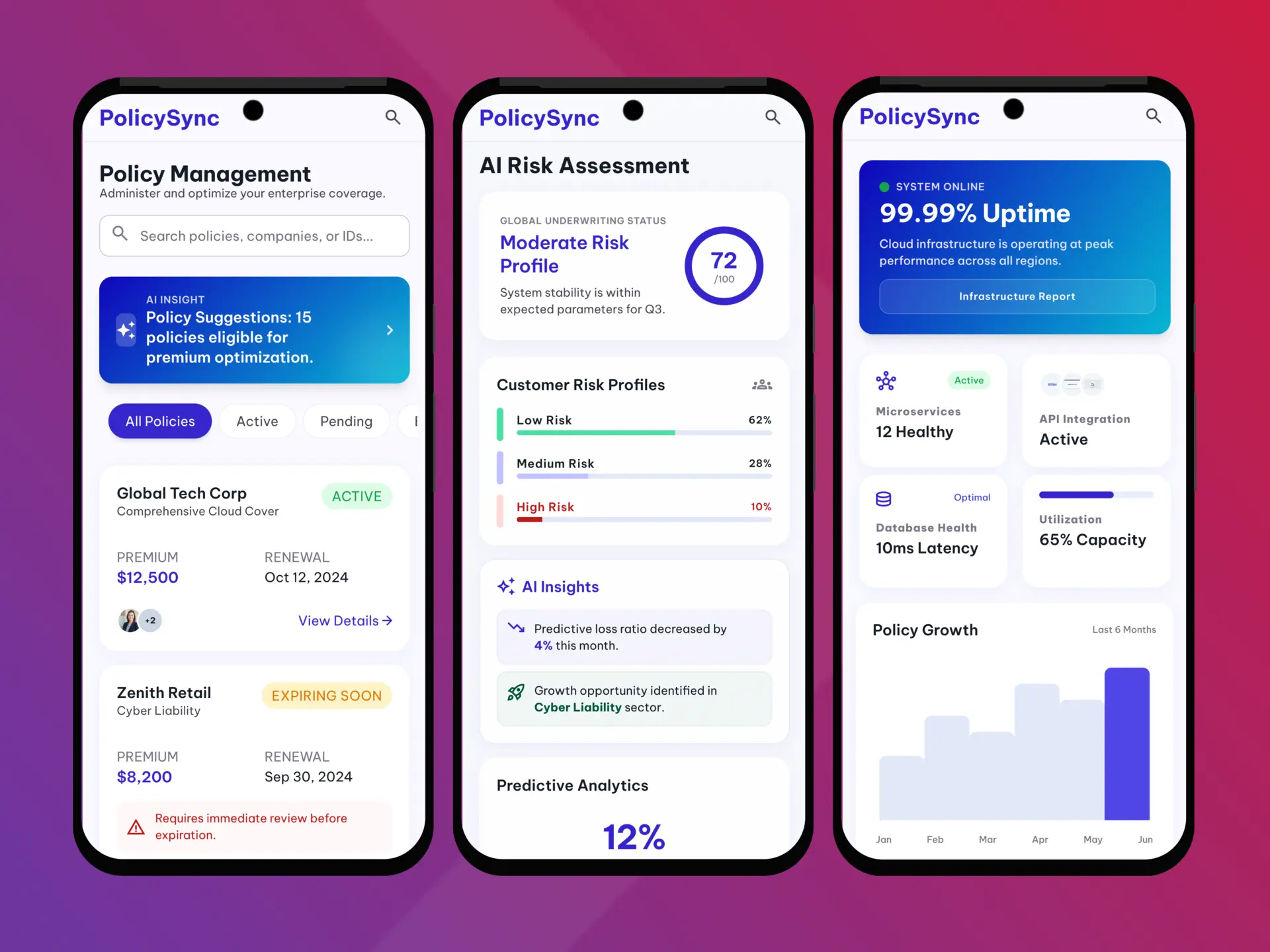
An InsureTech firm struggled with legacy systems that impacted claim processing and policy offerings. We modernized their platform by migrating to the cloud, implementing microservices, and integrating AI for smarter risk assessments.
An InsureTech firm struggled with legacy systems that impacted claim processing and policy offerings. We modernized their platform by migrating to the cloud, implementing microservices, and integrating AI for smarter risk assessments.
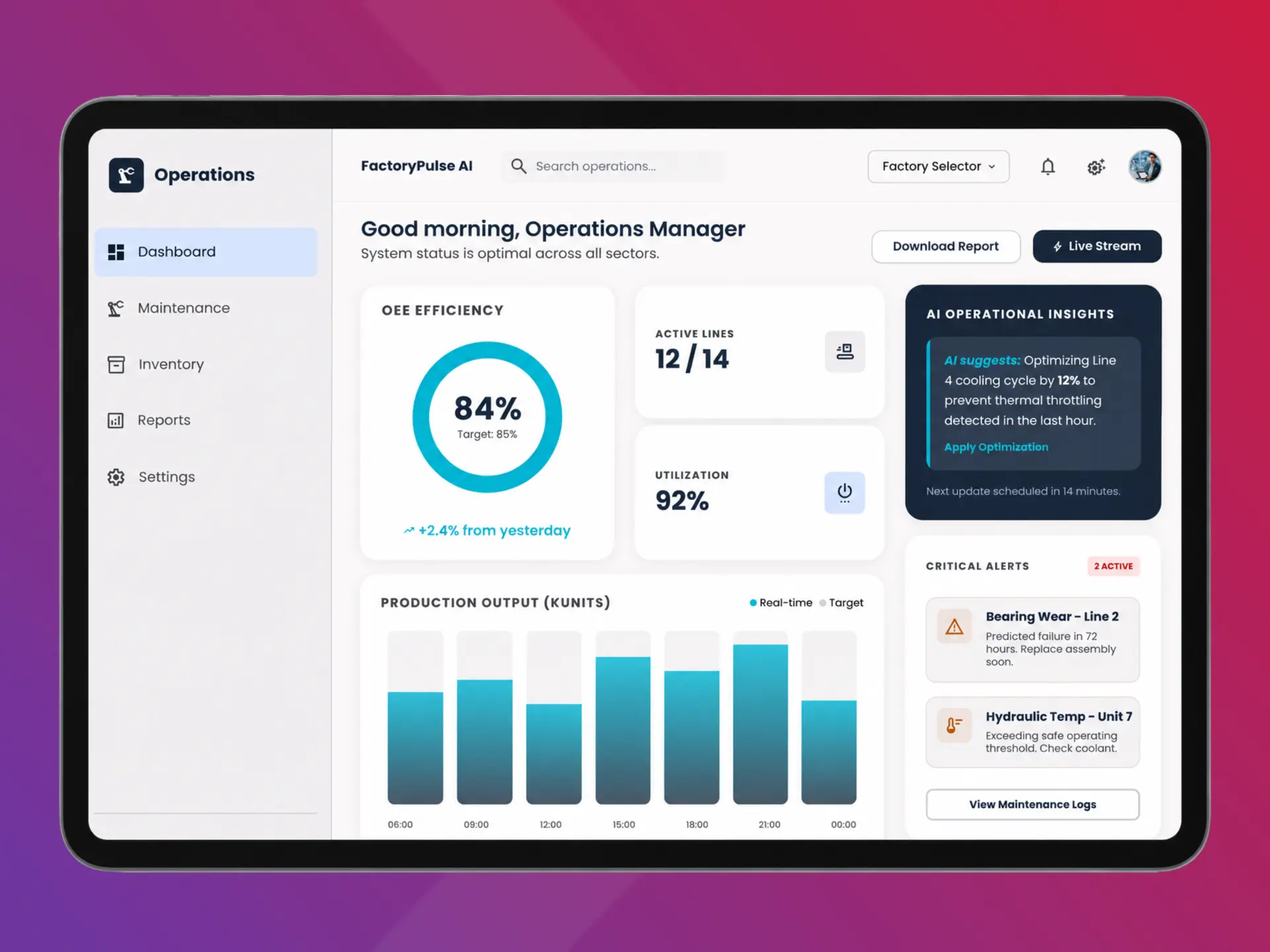
A manufacturing firm experienced inefficiencies due to siloed data and outdated systems. We modernized their platform by implementing IoT devices, AI, and cloud-native technologies for predictive maintenance and real-time decision-making.
A manufacturing firm experienced inefficiencies due to siloed data and outdated systems. We modernized their platform by implementing IoT devices, AI, and cloud-native technologies for predictive maintenance and real-time decision-making.
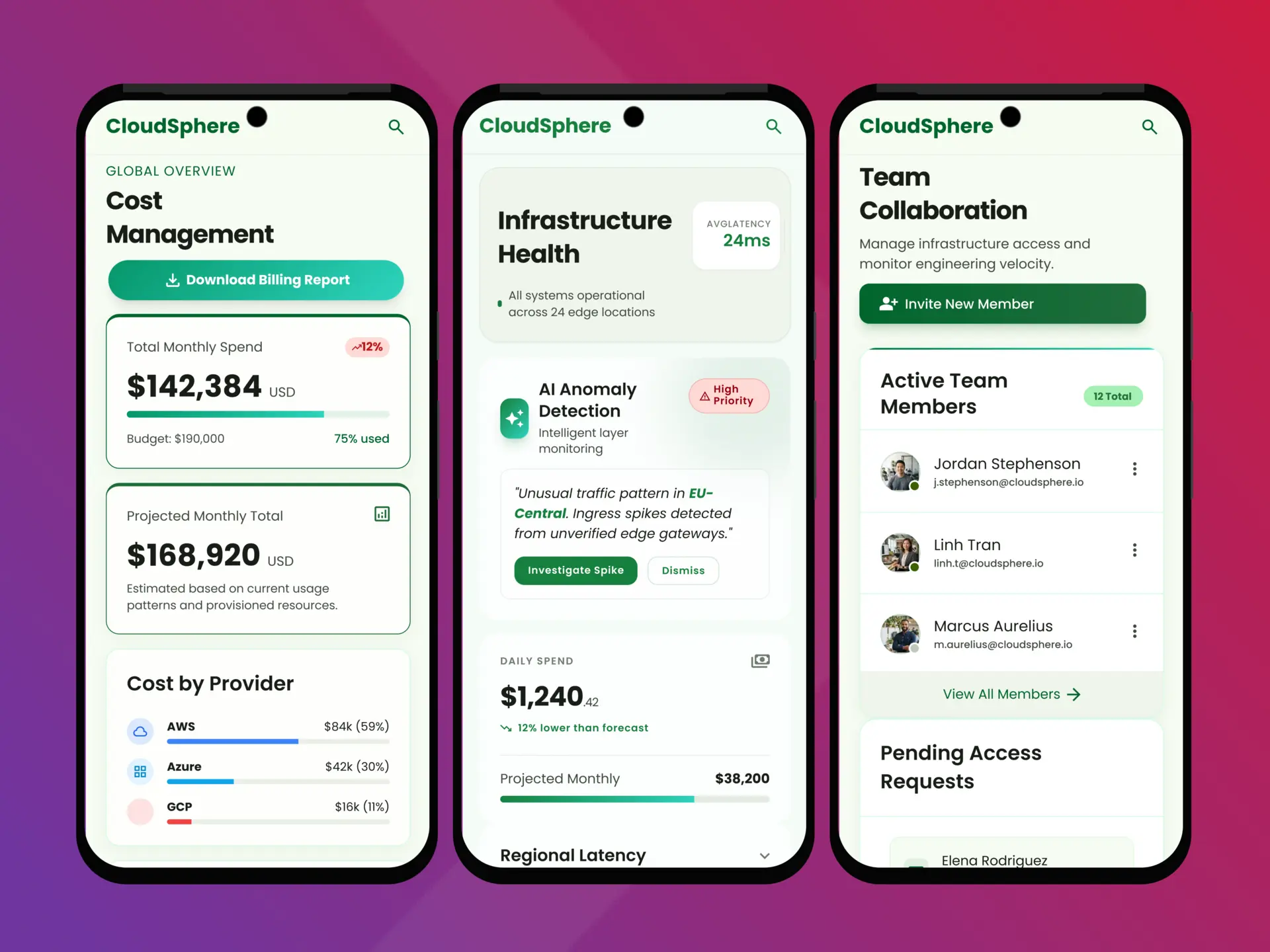
A large SaaS enterprise struggled with a monolithic architecture that limited scalability and feature deployment. We implemented microservices and serverless computing to scale their platform for global expansion.
A large SaaS enterprise struggled with a monolithic architecture that limited scalability and feature deployment. We implemented microservices and serverless computing to scale their platform for global expansion.
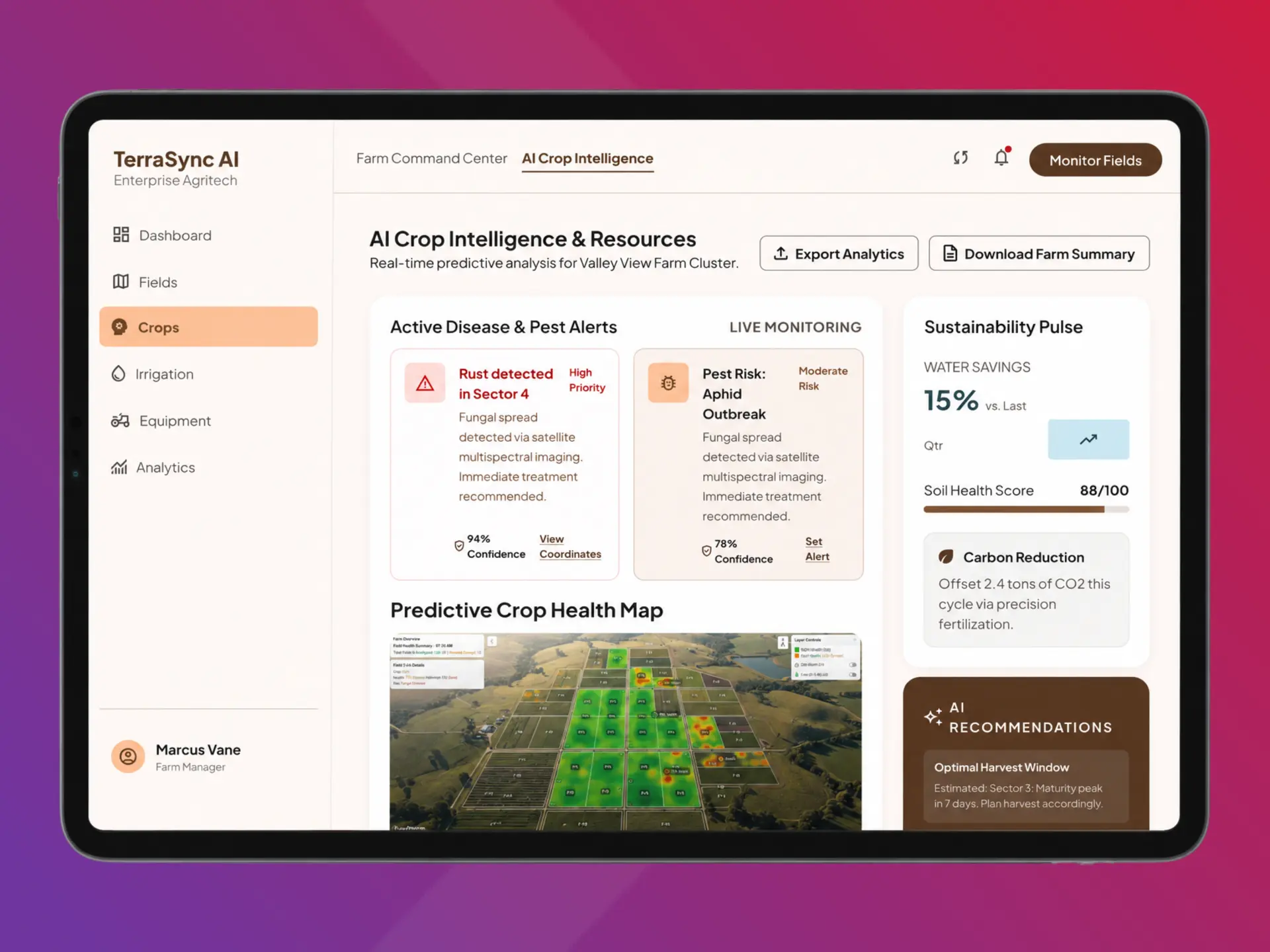
An Agritech company faced challenges with outdated farm management software that didn’t support IoT and AI. We migrated their platform to the cloud, integrating IoT and AI for better crop and resource management.
An Agritech company faced challenges with outdated farm management software that didn’t support IoT and AI. We migrated their platform to the cloud, integrating IoT and AI for better crop and resource management.
With 11 years of experience in product and platform modernization, we deliver seamless, scalable solutions tailored to meet your unique business needs and future goals.
We don’t offer one-size-fits-all solutions. Intellivon crafts a personalized modernization strategy that aligns with your business objectives, technology stack, and market demands.
From assessment and strategy to execution and ongoing optimization, we provide full-service support throughout the entire modernization journey, ensuring lasting value at every stage.
We leverage the latest cloud platforms, microservices, containerization, and AI tools to ensure your product and platform are modern, secure, and future-ready.
Our expertise ensures that all modernization efforts comply with industry standards and regulatory requirements, minimizing risks and ensuring governance is built into the process.
Intellivon is committed to being your long-term partner. We don’t just modernize your systems; we help you continuously innovate and stay ahead of technological trends.
We utilize cutting-edge technologies like AI, IoT, and blockchain, combined with cloud and microservices architectures, to create future-ready, scalable platforms and products for our clients.





















Faster modernization cycle
Lower engineering costs
Fewer bugs and reworks
Faster launch timelines
Product and platform modernization involves updating legacy systems and platforms with advanced technologies like cloud, microservices, and AI. This ensures scalability, agility, and alignment with current business goals, boosting performance and enabling digital transformation.
Modernization optimizes operations by replacing outdated systems, improving integration, and reducing technical debt. It enhances speed, scalability, and automation, which leads to improved business agility, faster decision-making, and significant cost savings.
Cloud adoption ensures flexibility, scalability, and lower infrastructure costs. It enhances data accessibility, improves security, and supports seamless updates, allowing organizations to scale operations quickly and reduce the burden of maintaining on-premise systems.
Intellivon uses a holistic approach to modernize legacy platforms by integrating cloud-native technologies, microservices, and API-led architectures. We streamline transitions, minimize disruptions, and ensure that your systems are future-proof, scalable, and aligned with business goals.
We leverage advanced technologies such as cloud computing (AWS, Azure), containerization (Docker, Kubernetes), microservices architecture, DevOps practices, and AI/ML to deliver secure, scalable, and high-performing product and platform solutions.
The timeline depends on the complexity and scope of the project. Typically, modernization takes anywhere from a few weeks for smaller updates to several months for large-scale transformations. We provide clear milestones and timelines for each phase.
A legacy system upgrade typically involves improving the existing infrastructure with minimal change. In contrast, platform modernization reimagines the architecture by adopting new technologies and practices, such as cloud migration and microservices, to optimize performance, scalability, and agility.
Modernized platforms enable faster product development, seamless integrations, and quicker response to market needs. By adopting new technologies, businesses can improve customer experiences, reduce operational costs, and innovate faster, providing a significant competitive edge.