Key Takeaways:
-
Stablecoin remittance apps start with one licensed corridor before adding wallets, currency conversion, and payout options.
-
Every production app needs Travel Rule messaging, sanctions screening, transaction monitoring, and real-time reconciliation controls.
-
AI helps with fraud detection, unusual activity alerts, and making sure enough liquidity is available at all times.
-
Single-corridor apps cost $70,000 to $110,000 while multi-corridor enterprise platforms reach $120,000 to $300,000.
-
How Intellivon builds remittance apps as compliance-first, corridor-specific platforms rather than generic cryptocurrency wallet products.
A stablecoin remittance app is a mobile application that sends money across borders using dollar-pegged tokens like USDC or USDT, settling in minutes instead of the one to three days a bank wire takes. Meanwhile, the fee gap behind that speed is significant. The average cost of sending $200 internationally still sits at 6.4%, according to a 2026 remittance corridor analysis, while stablecoin rails settle the same transfer for close to 2%.
However, speed and cost alone don’t retain users. The app also has to handle last-mile payout, since most recipients still need cash pickup or mobile money credit, not a wallet address to manage themselves. Consequently, last-mile design ends up deciding whether an app gets repeat use or gets abandoned after one transfer.
In this blog, we will cover the stablecoin remittance app’s architecture, FX handling, last-mile payout, and corridor-specific compliance, and go deeper into how we build this platform from the ground up.
What Is a Stablecoin Remittance App?
A stablecoin remittance app is a digital platform that moves money internationally using asset-backed tokens. Specifically, the system accepts fiat funds from a sender and converts them into stablecoins like USDC.
Next, it transfers those tokens across a blockchain to a verified recipient in seconds. As a result, users skip traditional banking delays, lower transaction fees, and access immediate local cash payouts.
1. Stablecoin Remittance App Versus a Crypto Wallet
A self-custody crypto wallet only stores private keys and executes direct blockchain token transfers.
In contrast, an enterprise stablecoin remittance platform manages complex financial orchestration, real-time FX rate generation, local fiat payouts, and strict legal compliance.
| Operational Capability | Standard Crypto Wallet | Stablecoin Remittance App |
| Core Primary Function | Asset storage and key management | End-to-end cross-border money transfer |
| Compliance Infrastructure | Basic address watchlists | Full KYC, AML, sanctions, and Travel Rule screening |
| Fiat Access Rails | External third-party dApps | Native, integrated banking on-ramps and off-ramps |
| Payout Mechanisms | On-chain wallet-to-wallet transfer | Local bank deposits, mobile money, and cash pickups |
Building a dedicated remittance application ensures complete control over compliance, liquidity, and fiat payout rails. Consequently, choosing the right structural model early determines your long-term scale and regulatory footprint.
Why Remittance Providers Are Building Stablecoin Remittance Apps
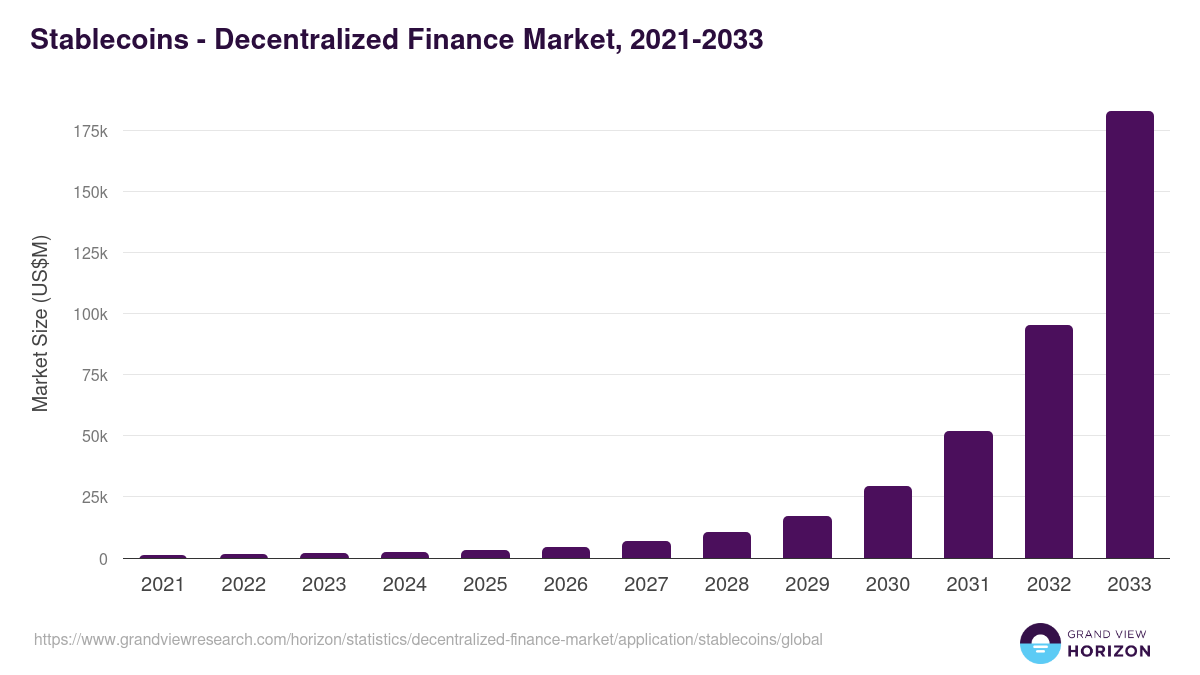
The crypto-powered remittance market is expanding rapidly at a 25.2% CAGR. Consequently, financial institutions are adopting stablecoin rails to bypass legacy banking delays and lower costs.
1. Faster Settlement Without Banking-Hour Restrictions
Blockchain rails operate 24/7, but total speed depends on four distinct steps:
- On-Chain Settlement: Tokens transfer on-chain within seconds.
- Fiat Funding: Local bank transfers take 1–3 business days.
- Compliance Clearance: Automated AML and Travel Rule checks approve clean transfers instantly.
- Recipient Availability: Local bank rails or cash pickups set final payout speed.
2. Lower Settlement and Intermediary Costs
The World Bank Remittance Prices Dataset tracks global transfer fees averaging 6.62%.
At the same time, research shows stablecoins deliver 50–70% cost savings over traditional SWIFT rails.
- Sender Funding & FX Spreads: On-ramp deposit fees and token conversion margins.
- Network & Liquidity Fees: Minimal blockchain gas and market maker spreads.
- Off-Ramp & Compliance: Local payout fees and automated screening overhead.
3. Reduced Prefunding and Better Corridor Liquidity
Traditional MTOs lock up capital in Nostro/Vostro accounts. Conversely, stablecoins reduce prefunding requirements through dynamic liquidity pools.
Real-world implementations like MoneyGram on the Stellar Network prove digital assets can successfully connect Web3 rails directly to local cash economies.
4. New Product and Revenue Opportunities
Stablecoin rails enable modular, high-margin financial services:
- Transfer Fees & FX Spreads: Transparent, automated margin capture.
- B2B Infrastructure: Monetizable API endpoints and white-label platforms.
- Recipient Services: In-app digital dollar balances and merchant payout extensions.
5. Stablecoin Remittance Versus Traditional Providers
| Decision Factor | Traditional MTO | Digital Platform | Stablecoin Remittance App |
| Funding Methods | Cash, cards, bank wire | Bank account, debit card | ACH, SEPA, cards, Web3 wallets |
| Settlement Rail | Correspondent banking | P2P netting engine | Blockchain rails (e.g., Solana, Polygon) |
| Recipient Reach | Physical agents, banks | Digital bank accounts | Bank, mobile money, cash pickup |
| Speed | Minutes to 3+ days | Hours to 2 days | Seconds on-chain; rapid local fiat |
| Fee Structure | High fees + FX markups | Mid-tier transparent fees | Low network fee + minimal FX spread |
| Regulatory Model | State MTLs | Regional payment licenses | MTLs, VASP, and FATF Travel Rule Compliance |
Transitioning from traditional correspondent banking to digital asset rails requires a robust, scalable technical foundation. Thus, understanding the core architecture of a stablecoin remittance app is essential before starting development.
Design the Remittance Corridor Before You Design the App
Designing a remittance corridor requires selecting specific funding rails, stablecoins, blockchains, FX pairs, liquidity providers, and payout channels for a specific country pair.
Consequently, establishing a corridor-first strategy prevents technical bottlenecks and guarantees regulatory compliance.
1. Corridor Demand and Transaction Profile
Evaluating transfer volume and recipient habits determines the underlying architecture requirements:
- Volume and Cadence: Measure expected monthly volume, average transfer sizes, and peak send dates. Furthermore, analyze seasonal transaction spikes.
- Recipient Preferences: Identify sender acquisition costs while evaluating the percentage of cash-dependent recipients. As a result, teams can prioritize mobile wallets versus bank rails.
2. Corridor Cost Stack
Calculating the true cost of delivery requires accounting for all operational expenses beyond simple gas fees:
- Processing Overhead: Calculate total funding fees, fiat-to-token conversion spreads, and blockchain gas costs. Consequently, hidden margins are exposed early.
- Payout Expenses: Factor in liquidity spreads, off-ramp charges, bank payout fees, and cash-agent commissions.
- Compliance Costs: Include ongoing expenses for automated KYC, transaction monitoring, and failed-payment refund processing.
3. Corridor Partner Availability
Maintain at least two active integration partners for every critical infrastructure service:
- Fiat Ingress and Egress: Integrate redundant on-ramp, off-ramp, and direct bank payout partners.
- Payout Infrastructure: Secure active integrations with mobile money networks, local cash pickup locations, and liquidity pools.
- Security and Compliance: Partner with dedicated custody providers, KYC vendors, and blockchain analytics engines. Therefore, service uptime remains unaffected by single-provider outages.
4. Recommended Corridor Scorecard
Score target corridors from 1–5 across key operational metrics:
| Metric | US–Mexico | US–Philippines | US–India | US–Nigeria | Europe–Africa |
| Primary Stablecoin & Chain | USDC (Solana) | USDC (Polygon) | USDT (Ethereum L2) | USDC (Stellar) | EURC / USDC (Polygon) |
| Demand & Liquidity | 5 | 5 | 5 | 4 | 4 |
| Regulatory Clarity | 4 | 4 | 3 | 2 | 3 |
| Payout Infrastructure | Bank / Cash (5) | Mobile Money (5) | Bank / UPI (4) | Bank / P2P (3) | Mobile Money (5) |
| Partner Redundancy | High | High | Moderate | Low | Moderate |
| Unit Economics | Excellent | Excellent | Good | Variable | Good |
Different corridors require distinct blockchain networks, stablecoins, and payout integrations. For a deeper breakdown of modular fintech system architecture, see our guide on stablecoin settlement infrastructure for B2B payments.
Core Features of a Stablecoin Remittance Mobile App
A stablecoin remittance mobile app requires dedicated feature sets designed for senders, recipients, and internal compliance operators.
Consequently, separating user roles streamlines UX while maintaining strict regulatory oversight.
1. Sender Application Features
Senders require immediate visibility into transfer costs, tracking status, and account onboarding:
- Onboarding & Verification: Simple biometric registration paired with automated KYC identity verification.
- Payment Initiation: Real-time FX quote generation, transparent fee disclosure, and flexible funding via ACH or card.
- Transfer Management: Live status tracking, push notifications, scheduled recurring transfers, and instant dispute submission.
2. Recipient Experience
Recipients need fast, secure access to incoming funds through their preferred local payout channels:
- Claim Workflow: Simple right-party identity verification paired with immediate claim workflows.
- Payout Selection: Flexible settlement into local bank accounts, mobile money wallets, or cash-pickup locations.
- Status Updates: Estimated availability times, automated SMS status alerts, and self-service failed-payout recovery.
3. Operations and Compliance Portal
Back-office teams rely on centralized administrative portals to monitor risk, compliance, and daily liquidity:
- Risk Oversight: User review queues, automated sanctions screening, and real-time transaction monitoring.
- Financial Management: Live liquidity dashboards, custom corridor transfer limits, and automated FX margin configuration.
- Audit & Reporting: Compliance case management, partner reconciliation, and direct export of regulatory audit logs.
4. iOS, Android, Cross-Platform, or PWA
Selecting the right mobile technology stack directly impacts operational development costs and cross-border performance:
| Platform Option | Primary Strengths | Implementation Considerations | Recommended Use Case |
| Native (iOS/Android) | Top-tier security and device hardware performance | High development cost; dual codebase maintenance | Large enterprises needing deep hardware integrations |
| React Native | High code reusability; strong community ecosystem | Requires custom native bridges for complex crypto SDKs | Cross-border startup MVPs targeting rapid deployment |
| Flutter | Native performance; uniform UI across all platforms | Slightly larger app bundle size | Apps requiring consistent multi-platform UI rendering |
| PWA | Instant web updates; zero app store friction | Restricted hardware access and push notification limits | Low-bandwidth regions with web-first users |
Cross-platform development like React Native or Flutter remains the ideal choice for most diaspora remittance applications.
For a deeper breakdown of modular fintech design, see our guide on custom microservices architecture for fintech platforms.
Stablecoin Remittance App Architecture and Tech Stack
An enterprise stablecoin remittance platform requires a decoupled, hybrid architecture that unifies public blockchain settlement rails with off-chain financial ledgers and traditional banking gateways.
Consequently, architects must bridge Web3 token protocols with double-entry accounting engines and regulatory compliance services to ensure operational reliability.
Stablecoin Remittance App Architecture Table
| Architecture Layer | Core Functional Responsibilities | Recommended Technology Stack |
| Experience Layer | Manages front-end interfaces, sender/recipient workflows, and back-office administrative portals. | React Native, Flutter, Swift, Kotlin, Next.js, WebAssembly |
| API & Application Layer | Orchestrates payment execution, rate locking, fee calculations, and event notifications. | Node.js, Go, Python, FastAPI, GraphQL, Kong API Gateway |
| Ledger & Reconciliation Layer | Tracks real-time off-chain fiat balances, token reserves, pending payouts, and FX margins. | PostgreSQL, Apache Kafka, TigerBeetle, Redis, LedgerDB |
| Wallet & Blockchain Layer | Handles key management, smart contract execution, gas abstraction, and node RPC connections. | Fireblocks, Turnkey, Web3Auth, Alchemy, QuickNode, Ethers.js |
| Compliance & Intelligence Layer | Automates KYC/AML, sanctions checks, wallet risk scoring, and Travel Rule data exchange. | Sumsub, Jumio, Chainalysis, Elliptic, TRM Labs, Notabene |
| Integration Layer | Connects external fiat banking rails, mobile money APIs, cash networks, and FX aggregators. | Plaid, Circle APIs, Stripe, Prime Trust, Yellow Card, Flutterwave |
| Cloud & Reliability Layer | Provides zero-downtime container orchestration, key vaults, and multi-region infrastructure. | AWS (EKS), Azure (AKS), Terraform, Kubernetes, HashiCorp Vault |
Decoupling off-chain ledgers from public blockchain finality guarantees instant internal reconciliation while isolating system performance from network congestion.
For a deeper breakdown of blockchain nodes, custody, payment APIs, and settlement components, see our guide on stablecoin settlement infrastructure for cross-border payments.
Ultimately, this architectural separation allows platforms to scale user volumes while remaining fully compliant across target jurisdictions.
Choosing Stablecoins, Blockchains, and Custody Models
Selecting tokens, underlying networks, and wallet architectures must align directly with specific corridor requirements rather than generalized crypto market trends. Consequently, evaluating localized liquidity, settlement speeds, and compliance mandates prevents costly technical redesigns as transfer volumes scale.
Stablecoin-Selection Criteria
Evaluating asset issuers requires balancing regulatory compliance against destination liquidity and local off-ramp support:
| Stablecoin | Issuer Risk & Regulation | Primary Network Availability | Regional Strengths | Key Operational Tradeoffs |
| USDC | Circle (US regulated / MiCA compliant) | Ethereum, Solana, Polygon, Base, Stellar | High liquidity across US, LatAm, and Europe | Strict blacklist/freeze controls; lower organic adoption in Asia |
| USDT | Tether (BVI registered) | Tron, Ethereum, Solana, TON, Avalanche | Dominant liquidity in SE Asia, LatAm, and Africa | Higher regulatory scrutiny; limited direct US bank redemption access |
| EURC | Circle (MiCA compliant) | Ethereum, Solana, Base, Polygon | Direct euro-denominated European settlement | Lower global liquidity volumes compared to USD-backed assets |
| PYUSD | PayPal / Paxos (NYDFS regulated) | Ethereum, Solana | Deep integration across PayPal consumer rails | Limited independent off-ramp partner adoption in emerging markets |
| RLUSD | Ripple (NYDFS regulated) | XRP Ledger, Ethereum | Enterprise institutional banking settlement | Emerging network adoption; targeted primarily at B2B corridors |
Blockchain-Selection Criteria
Selecting settlement networks depends entirely on finality speeds, gas cost predictability, and regional partner coverage:
- Finality & Predictability: Evaluate deterministic finality times and fee stability during high-traffic periods. For instance, transaction fees must remain predictable to protect thin remittance margins.
- Infrastructure Reliability: Audit node provider uptime, RPC redundancy, indexing support, and smart-contract risks. As a result, engineering teams avoid single-point RPC failures.
- Bridge Dependency: Prioritize chains with native stablecoin minting over wrapped assets. Consequently, platforms eliminate bridge hack vulnerabilities across active corridors.
Networks to Compare
Different blockchain environments offer distinct performance characteristics tailored to specific corridor profiles:
- Ethereum & Layer 2s (Base, Polygon): Ethereum provides security but suffers from high gas fees. In contrast, L2 networks like Base and Polygon deliver sub-cent transfers, robust DEX liquidity, and native USDC support, making them ideal for high-frequency retail corridors.
- Solana & Stellar: Both networks deliver sub-second finality and negligible transaction costs. Specifically, Stellar offers extensive cash-agent integration globally, whereas Solana provides ultra-high throughput for high-volume corridors.
- XRP Ledger & Tron: XRP Ledger provides native DEX settlement and institutional liquidity. Meanwhile, Tron dominates global USDT remittance velocity, particularly in emerging markets, provided platforms implement rigorous transaction-monitoring controls.
Custodial, Non-Custodial, or Hybrid Wallets
Choosing a wallet architecture involves balancing security controls against regulatory scope:
- Custodial & Managed Custody: A central entity retains private keys via HSM or dedicated providers like Fireblocks. While this ensures seamless account recovery and automated policy controls, it strictly subjects operators to local money transmitter licensing.
- Embedded Non-Custodial: End-users manage keys through embedded MPC or account abstraction wallets. However, non-custodial architecture does not automatically remove licensing obligations if the platform handles fiat-to-token conversions or off-ramp processing.
- Hybrid Hot/Warm/Cold Models: Operational hot wallets manage immediate payout liquidity via automated multisig approvals. Furthermore, warm reserves hold daily float behind multi-signature gates, while cold vaults secure long-term reserves offline.
Aligning wallet policies with local off-ramp partners guarantees regulatory compliance while maintaining immediate transfer velocity.
For a deeper breakdown of asset and network orchestration, see our guide on building multi-currency stablecoin payment systems.
Compliance for Stablecoin Remittance App Development
Compliance must be organized across the complete payment chain rather than added as a single software feature.
Consequently, mapping regulatory requirements at every touchpoint ensures uninterrupted cross-border operations and protects banking partnerships.
1. Determine the Platform’s Regulated Role
Defining your operational model establishes the scope of mandatory licenses and compliance obligations:
- Technology Provider: Software entities that lease application code to licensed financial institutions avoid direct licensing obligations.
- Money Transfer Operator / Money Transmitter: Entities handling end-to-end user funds, fiat deposits, or token custody must obtain direct state and federal money transmitter licenses.
- Virtual Asset / Crypto Asset Service Provider (VASP / CASP): Platforms converting, transferring, or custodying digital assets fall strictly under specialized VASP and CASP regulatory frameworks.
2. United States Requirements
Operating within the United States requires strict alignment with federal agencies and state banking regulators:
- FinCEN & BSA Compliance: Registration as a Money Services Business (MSB) requires maintaining a comprehensive Bank Secrecy Act (BSA) program, ongoing OFAC screening, automated suspicious-activity reporting (SARs), and precise recordkeeping.
- State Licensing & Disclosures: Platforms must secure State Money Transmitter Licenses (MTLs) across active states while providing clear consumer fee disclosures.
- The GENIUS Act Mandate: The GENIUS Act became U.S. law on July 18, 2025, creating a federal regulatory framework for permitted payment-stablecoin issuers. However, a remittance application must still separately assess money transmission, custody, AML, and state licensing obligations.
3. FATF Travel Rule and Payment Transparency
Complying with FATF Recommendation 16 requires seamless data transmission between ordering and beneficiary institutions:
- Data Transmission: Transmit originator and beneficiary account details securely alongside the underlying blockchain transaction.
- VASP Counterparty Verification: Perform automated counterparty risk assessments before transferring tokens to external institutions. Furthermore, platforms must apply strict risk-scoring protocols to unhosted wallets.
- Transaction Rejections: FATF revised Recommendation 16 in 2025 to standardize information accompanying cross-border payments, strengthen recipient verification, and mandate automated rejected-transfer workflows.
4. European Union
Launching remittance services within the European Union mandates full compliance with MiCA and digital transaction standards:
- MiCA Authorization: Crypto-Asset Service Providers must obtain formal authorization to offer transfer, conversion, or custody services within the EU.
- Transfer of Funds Regulation (TFR): Mandates that crypto transfers carry identifying payer and payee data, enforcing zero-threshold Travel Rule requirements.
- Consumer Protection & Security: Platforms must deliver transparent fee disclosures, adhere to GDPR privacy laws, execute clear client agreements, and maintain high-grade transfer security systems.
5. Corridor-Specific Compliance Matrix
Each international remittance corridor introduces distinct regulatory constraints and local payout partner requirements:
| Corridor | Sender-Side Regulator | Recipient-Side Regulator | Stablecoin Restrictions | Required Partners | Payout Constraints |
| US–Mexico | FinCEN / State Banking | CNBV / Banco de México | Local exchange registration required | Licensed Mexican On/Off-Ramps, SPEI Bank Gateway | SPEI real-time payout limits apply |
| US–Philippines | FinCEN / State Banking | Bangko Sentral ng Pilipinas (BSP) | VASP license required for local conversions | BSP-licensed VASPs, InstaPay / PESONet Partners | Daily cash pickup caps |
| US–India | FinCEN / State Banking | RBI / FIU-IND | Direct VDA wallet receipts breach FEMA rules | Authorized Dealer (AD) Category I Banks, Offshore FX Desk | Conversion must occur offshore; INR settled via bank rails with eFIRA |
| US–Nigeria | FinCEN / State Banking | Central Bank of Nigeria (CBN) | Direct banking bans require P2P or compliant off-ramps | Licensed IMTOs, P2P Liquidity Providers | Direct bank settlement requires specialized IMTO rails |
| Europe–Africa | MiCA / National NCAs | Regional Central Banks (e.g., BCEAO) | MiCA CASP rules apply on European egress | Licensed Pan-African Off-Ramps, Mobile Money Operators | Mobile wallet transaction and balance caps apply |
For the US–India corridor, direct wallet-to-wallet transfers violate Foreign Exchange Management Act (FEMA) rules because stablecoins are classified as Virtual Digital Assets (VDAs) rather than foreign currency.
Consequently, platforms must route conversion through an offshore entity, settling fiat into India via Authorized Dealer banks to generate valid purpose codes and electronic Foreign Inward Remittance Advices (eFIRAs).
Compliance Integrations
Integrating industry-standard compliance engines automates identity verification and transaction monitoring:
- Identity Verification (KYC/AML): Tools like Sumsub, Jumio, and Entrust/Onfido provide real-time document verification, liveness checks, and PEP/sanctions screening.
- Blockchain Analytics: Platforms like Chainalysis, Elliptic, and TRM Labs score wallet risk, flag illicit funds, and enforce real-time sanctions monitoring.
- Travel Rule Protocols: Systems like Notabene automate counterparty VASP discovery and secure messaging.
Automating these compliance workflows reduces operational risk while maintaining high transaction speeds.
How to Build a Stablecoin Remittance App: 6-Step Development Roadmap
Building a stablecoin remittance app requires a structured engineering roadmap. Consequently, teams must execute a phased software strategy.
Furthermore, this strategy balances front-end usability with backend ledger stability. As a result, platforms achieve high performance.
Step 1 — Validate the Corridor, License Model, and Unit Economics
First, do not start software development by choosing a blockchain network immediately. Instead, validate target corridor transfer volumes first. Furthermore, confirm the presence of licensed banking partners. Likewise, evaluate payout reach, local fiat liquidity, and sustainable gross profit margins. Consequently, engineering teams avoid building apps for unviable corridors.
- Technical Work: Engineering teams must construct a comprehensive corridor scorecard. Furthermore, developers map regulatory role dependencies. Subsequently, teams perform vendor evaluations and run detailed cost simulations. As a result, platforms establish accurate transaction-volume assumptions and complete risk assessments.
- The Intellivon Approach: Intellivon builds a clear corridor blueprint during early product discovery. Specifically, this blueprint assigns explicit ownership for fiat funding rails, token conversions, wallet custody, settlement, compliance screening, local payouts, and financial reconciliation.
Step 2 — Define the Sender, Recipient, and Operations Workflows
Next, product specifications must cover sender, recipient, and operations personnel. Otherwise, compliance and support teams suffer from excessive manual workloads. Consequently, building unified cross-functional workflows prevents administrative bottlenecks.
- Technical Work: Engineers map end-to-end user journeys. In addition, developers define explicit KYC account states. Furthermore, teams design transfer status machines, payout selection screens, exception handling routines, support case systems, automated notifications, and back-office administrative portals.
- The Intellivon Approach: Intellivon connects every customer-facing front-end action directly to internal accounting systems. Specifically, every transfer triggers an off-chain double-entry ledger update, an automated compliance check, a partner API invocation, and an immutable audit event.
Step 3 — Design the Architecture and Select Infrastructure Partners
Subsequently, select ledgers, custody models, stablecoins, blockchains, KYC systems, KYT analytics, FX engines, payment gateways, and cloud providers. Do this prior to writing integration code. As a result, system integration remains clean.
- Technical Work: System architects generate technical software diagrams. Furthermore, developers design scalable database models. Subsequently, teams publish API specifications, establish end-to-end security frameworks, conduct failure-mode analyses, and draft data-residency compliance plans.
- The Intellivon Approach: Intellivon designs regulated and fast-changing infrastructure components as decoupled microservices. As a result, platforms easily swap third-party payout vendors or compliance providers without rebuilding core application software.
Step 4 — Build the Ledger, Payment Orchestration, and App Experiences
Afterward, start primary software engineering with the internal double-entry ledger. Do not start with front-end user interfaces. Indeed, an accurate ledger forms the core of every financial application.
- Technical Work: Software engineers build the off-chain double-entry ledger engine. Additionally, developers construct real-time FX quote engines, fee calculators, wallet software SDKs, deposit funding workflows, smart-contract settlement scripts, payout orchestration pipelines, and automated reconciliation routines.
- The Intellivon Approach: Intellivon constructs event-driven microservices using strictly idempotent payment logic. Consequently, network retries and transient API timeouts never create duplicate transfers or inconsistent ledger balances.
Step 5 — Integrate Compliance, AI Risk Controls, and Security
Meanwhile, support screening, escalation, rejection, hold, and release capabilities at every transaction state. Complete this work prior to production deployment. Consequently, platforms maintain operational integrity.
- Technical Work: Engineers integrate KYC/KYB document verification, sanctions screening, PEP checks, wallet risk scoring, Travel Rule messaging, AI-driven fraud models, device fingerprinting, HSM key management, smart-contract audits, and penetration tests.
- The Intellivon Approach: Intellivon embeds AI risk controls directly inside the payment orchestration pipeline. Furthermore, the platform automatically flags suspicious transfers for manual review while processing legitimate transactions immediately.
Step 6 — Pilot One Corridor Before Multi-Corridor Expansion
Finally, launch the app in one single corridor. Enforce strict daily transaction limits and low total volume caps. Furthermore, maintain at least two active payout partners. As a result, operational teams resolve live edge cases safely.
- Technical Work: Teams complete sandbox API certifications. Furthermore, developers run testnet and mainnet trials. Subsequently, engineers execute small-value live transfers, monitor liquidity buffers, test failovers, sample compliance outputs, train support staff, and track real-time KPI dashboards.
- The Intellivon Approach: Intellivon authorizes expansion into new corridors only after the initial pilot reaches defined success thresholds. Thus, platforms scale user volumes predictably without risking operational instability.
Following a structured development roadmap guarantees platform stability and compliance across international remittance corridors.
Stablecoin Remittance App Development Cost Breakdown
Developing a stablecoin remittance app costs $70,000–$300,000 depending on technical scope and corridor complexity. Consequently, selecting the right build tier ensures predictable capital expenditure.
1. Recommended Scope Ranges
| Build Scope | Estimated Cost | Timeline | Appropriate Use Case |
| Single-Corridor MVP | $70,000–$110,000 | 4–5 months | One stablecoin, one chain, managed custody, bank/mobile-money payout |
| Multi-Corridor Product | $120,000–$200,000 | 5–7 months | Multiple payout types, advanced operations portal, liquidity routing |
| Enterprise Platform | $220,000–$300,000 | 7–9 months | Multi-region deployment, partner redundancy, AI risk models, enterprise reporting |
2. Phase-by-Phase Software Cost Breakdown
| Development Phase | Estimated Cost | Key Engineering Deliverables |
| Corridor Discovery & Regulatory Design | $5,000–$15,000 | Corridor scorecard, regulatory role mapping, compliance design |
| Product Strategy & UX Design | $6,000–$15,000 | Sender app, recipient experience, back-office portal wireframes |
| Mobile & Web Applications | $12,000–$35,000 | React Native / Flutter apps, PWA, sender/recipient portals |
| Ledger, Backend & Payment Orchestration | $18,000–$55,000 | Double-entry ledger, transaction state machine, fee/quote engine |
| Wallet, Blockchain & Custody Integration | $10,000–$35,000 | MPC wallet SDKs, smart contracts, node providers, gas abstraction |
| FX, Liquidity & Payout Integrations | $10,000–$40,000 | On/off-ramps, mobile money APIs, bank rails, cash-agent networks |
| Compliance & AI Risk Modules | $8,000–$30,000 | KYC/AML, Travel Rule, sanctions screening, AI fraud engine |
| QA, Security & Launch Deployment | $8,000–$25,000 | Penetration testing, smart contract audits, cloud deployment |
| Enterprise Resilience & Scaling | $0–$50,000 | Multi-region database replication, automated disaster recovery |
3. Ongoing Maintenance and Separate Operational Expenses
| Expense Category | Allocation / Cost Type | Included Operational Activities |
| Annual App Maintenance | 15%–20% of initial build annually | Security patches, cloud Ops, provider updates, compliance changes |
| Regulatory & Licensing | Separate Operational Expense | Money transmitter licenses, outside legal counsel |
| Transactional & Partner Fees | Separate Operational Expense | Per-user KYC/KYT fees, custody charges, payout partner spreads |
| Liquidity & Audits | Separate Operational Expense | Prefunded liquidity float, third-party smart contract audits |
For a deeper breakdown of infrastructure expenses, see our guide on cost to build a stablecoin payment infrastructure platform. Estimate architecture, integration, compliance, liquidity, and payout costs before vendor selection.
Top 5 Stablecoin Remittance Apps and Platforms to Study in 2026
Leading stablecoin remittance apps do not follow one single operating model. Consequently, platforms choose distinct architectures based on recipient preferences.
Furthermore, these five market examples demonstrate real-world stablecoin liquidity, compliance, and payout execution.
1. Félix Pago — Conversational WhatsApp Remittances
First, Félix Pago processes cross-border remittances through WhatsApp interfaces. Specifically, USDC operates behind the scenes to move liquidity between the United States and Latin America. As a result, users complete transfers without managing non-custodial crypto wallets.
2. MoneyGram Wallet — Global Stablecoin Cash Distribution
Next, MoneyGram combines digital wallets with a physical cash network. Moreover, MoneyGram Ramps connects USDC wallets to cash-out locations across 170 countries using Stellar rails. Therefore, on-chain digital assets connect directly to physical cash pickups.
3. Morse — Frictionless Global P2P Transfers
Meanwhile, Morse abstracts blockchain complexity behind simple username handles. Consequently, international stablecoin transfers feel like domestic instant payments. In addition, the system routes multiple stablecoins while displaying one unified consumer balance.
4. Chipper Cash — African Localized Payout Rails
Furthermore, Chipper Cash leverages USDT and RLUSD for African cross-border liquidity. Thus, it connects stablecoins to regional bank accounts and mobile-money providers. As a result, platforms overcome fragmented local banking infrastructure across multiple corridors.
5. Airtm — Flexible USDC Digital Dollar Accounts
Finally, Airtm processes enterprise-to-individual global contractor payouts in USDC. Consequently, recipients choose between holding digital-dollar balances or converting funds into local currency. Indeed, offering recipient-controlled conversion timing creates a strong product advantage.
Platform Architectural Comparison
| Platform | Primary Model | Stablecoin Role | Recipient Experience | Key Architectural Lesson |
| Félix Pago | WhatsApp Chat | USDC Liquidity | Direct Bank Payout | Hide blockchain complexity |
| MoneyGram | Wallet + Cash | USDC / Stellar Ramps | Cash Pickup or Wallet | Connect crypto to cash networks |
| Morse | Global P2P | Multi-Stablecoin Rail | App Balance or Bank | Abstract internal wallet mechanics |
| Chipper Cash | African Super-App | USDT / RLUSD Liquidity | Mobile Money or Bank | Localize country payout rails |
| Airtm | Digital Dollar Account | USDC Storage & Payout | Hold USDC or Convert | Offer recipient conversion control |
Core Development Lessons
In summary, successful stablecoin remittance apps share critical technical traits:
- First, stablecoins remain completely invisible unless recipients specifically request on-chain visibility.
- Second, recipient payout infrastructure receives equal architectural priority as sender funding.
- Third, internal ledgers continuously reconcile on-chain settlement with local fiat bank payouts.
Build a Stablecoin Remittance App With Intellivon
Intellivon engineers production-grade stablecoin remittance platforms for fintechs, money-transfer operators, neobanks, and global payment providers.
Furthermore, our team designs custom architectures tailored specifically to your target corridors, regulatory frameworks, and expected transaction volumes.
| Architecture Pillar | Intellivon Engineering Execution |
| Corridor & Compliance | Integrates real-time compliance states natively into corridor transaction logic. |
| Custody & Liquidity | Combines embedded MPC wallets with AI-driven liquidity and fraud models. |
| Rails & Settlement | Coordinates multi-provider on-ramps, payout networks, and double-entry ledgers. |
| Cloud & Operations | Deploys multi-region cloud systems with active production incident controls. |
Consequently, we move your platform beyond simple wallet interfaces into fully automated, enterprise-ready payment infrastructure.
Contact Intellivon today to deploy your production remittance platform.
Conclusion
In conclusion, developing a successful stablecoin remittance app requires building a dedicated corridor orchestration platform. Furthermore, blockchain settlement represents only one single layer of the complete system. Instead, recipient payout networks, local liquidity, integrated compliance, and automated double-entry reconciliation ultimately determine production success.
Consequently, a viable platform build costs between $70,000 and $300,000 depending on enterprise scale. Therefore, engineering teams should validate one corridor before expanding globally.
FAQs
Q1. Which licenses does a stablecoin remittance app need?
A1. Required licenses depend directly on your custody model, payment rails, and geographic footprint. Typically, platforms need money transmitter licenses (MTLs) or payment institution authorizations in sender and recipient jurisdictions. However, partnering with licensed banking, custody, and crypto infrastructure providers significantly reduces your direct licensing requirements.
Q2. Does a stablecoin remittance app require AI models?
A2. No, AI models are not mandatory for executing baseline stablecoin transactions. Furthermore, smart contracts and payment APIs handle core ledger operations independently. However, incorporating AI models provides substantial operational advantages for real-time fraud scoring, transaction anomaly detection, liquidity forecasting, route optimization, and compliance case prioritization.
Q3. Which integrations are required for stablecoin remittance app development?
A3. Building a comprehensive app requires connecting several critical infrastructure layers. Specifically, you must integrate identity verification (KYC/KYB), sanction screening (AML), and wallet analytics. Additionally, platforms require MPC wallet custody, blockchain nodes, foreign exchange feeds, fiat on/off-ramps, local bank networks, mobile money APIs, push notifications, and double-entry accounting ledgers.
Q4. Can recipients receive local currency instead of stablecoins?
A4. Yes, recipients can receive fiat directly into local bank accounts or mobile wallets. In fact, the platform uses stablecoins strictly as an intermediate settlement rail behind the scenes. Consequently, automated off-ramp partners convert digital assets into local fiat before executing local payout delivery.
Q5. Is a stablecoin P2P remittance app different from a crypto wallet?
A5. Yes, a remittance app orchestrates an end-to-end financial transaction pipeline. Beyond basic asset custody and digital signatures, a remittance app manages sender identity, compliance checks, FX quotes, fiat funding, recipient payouts, dispute resolution, and regulatory reporting. Conversely, standard crypto wallets simply hold tokens and sign network transactions.
To Sum It Up
- A stablecoin transfer can settle in seconds while the recipient still waits hours for local currency. End-to-end payout time is the metric that matters.
- Gas fees rarely determine remittance profitability. FX spreads, off-ramp charges, failed payouts, compliance reviews, and customer acquisition usually matter more.
- The best blockchain for a remittance app is the one with dependable corridor liquidity and payout coverage, and not necessarily the one with the highest transaction speed.
- A $70,000 single-corridor MVP can validate demand, but a production multi-corridor platform requires partner redundancy, compliance operations, liquidity controls, and automated reconciliation.