Key Takeaways:
- Stablecoin payroll platforms connect HR systems directly to payment settlement, removing manual steps from the process.
- Paying employees requires tax and labor compliance, while paying contractors needs identity checks and sanctions screening.
- The platform needs HR system connections, digital wallets, a payment ledger, fiat conversion, and compliance controls.
- AI helps catch fraud, match payments, manage currency conversion, and keep enough funds available at all times.
- How Intellivon builds these platforms for $70,000 to $300,000 and delivers them in 4 to 9 months.
A stablecoin payroll platform pays international employees and contractors in USDC or USDT, settling in minutes instead of the standard multi-day wire. At the same time, that gap shows up directly in a worker’s paycheck. For instance, a contractor in Lagos earning $3,000 a month still loses roughly $195 of it to fees and FX spreads, according to a 2026 stablecoin payroll analysis, and that cost hasn’t moved in five years.
However, cutting the fee is only part of the fix. Payroll also has to handle tax withholding, W-2 and 1099 generation, and labor law compliance across every country a company hires in, so the platform can’t just move money faster. On the other hand, it also has to move it correctly. As a result, companies that build tax and compliance logic directly into disbursement typically cut payroll processing time by more than half within the first quarter.
Meanwhile, that compliance layer is usually where custom payroll builds stall, right around the point a new jurisdiction gets added. So, this blog covers disbursement architecture, HRIS integration, tax compliance, and cost, then describes the development steps to build this platform from the ground up.

What Is a Stablecoin Payroll Platform?
A stablecoin payroll platform is enterprise software that calculates gross-to-net worker compensation, applies tax withholding rules, and executes disbursements using fiat-backed digital tokens.
Additionally, it converts corporate treasury funds into stablecoins, routes payments to recipient digital wallets, and coordinates local fiat off-ramps. Beyond money movement, the system maintains worker records, deduction logs, immutable payment proofs, and multi-jurisdictional compliance.
Therefore, following a complete custom stablecoin payroll platform development guide helps organizations evaluate these core features.
1. Stablecoin Payroll Platform Versus a Crypto Wallet
A digital crypto wallet serves purely as a storage container and transfer tool for digital assets.
At the same time, it lacks the workforce data layers, automated deduction logic, and formal reporting features required for enterprise compensation management.
| Functional Capability | Crypto Wallet | Stablecoin Payroll Platform |
| Asset Storage & Transfer | Yes | Yes |
| Gross-to-Net Wage Calculation | No | Yes |
| Tax Withholding & Local Deductions | No | Yes |
| Worker Classification & Status Tracking | No | Yes |
| Automated Payslip Generation | No | Yes |
| Auditable Compliance & Tax Filings | No | Yes |
2. Stablecoin Payroll Platform Versus a Payout Rail
A payout rail is an operational pipeline that transfers funds between entities.
Consequently, while it provides speed, it relies entirely on an external Human Resource Information System (HRIS) or Employer of Record (EOR) to determine net payout amounts.
| Operational Capability | Payout Rail | Stablecoin Payroll Platform |
| Money Movement & Settlement | Yes | Yes |
| HRIS & Time-Tracking Sync | Requires external API integration | Native or integrated core feature |
| Local Labor Law Engine | No | Yes |
| Garnishment & Benefits Deduction | No | Yes |
| End-to-End Payment Evidence | Transaction hash only | Full employment ledger plus on-chain hash |
3. Stablecoin Payroll Platform Versus Global Payroll Software
Here, legacy global payroll platforms calculate multi-country wages but depend on traditional correspondent banking networks.
Conversely, stablecoin platforms add real-time blockchain settlement, wallet custody, and instant liquidity conversions to standard HR functions.
| Core Infrastructure | Global Payroll Software | Stablecoin Payroll Platform |
| Settlement Rails | SWIFT / Correspondent Banks | Public or Enterprise Blockchains |
| Settlement Time | 3–5 business days | Seconds (24/7/365) |
| Banking Hours Dependency | High | Zero |
| Cross-Border FX Spreads | 2% – 5% hidden markup | Near 0% via stablecoin pairing |
| Worker Off-Ramp Options | Local bank accounts only | Local banks, mobile money, or crypto wallets |
4. The Three Stablecoin Payroll Operating Models
Understanding how organizations deploy stablecoin payroll reveals three primary architectural patterns. Consequently, this categorization builds on Toku’s industry framework distinguishing full platforms from simple payout rails.
- Existing Payroll System Plus Stablecoin Payout Rail: The enterprise retains legacy engines like Workday or ADP for gross-to-net calculations. Then, it passes net payout instructions via API to a stablecoin disbursement engine.
- Full Payroll Engine with Stablecoin Settlement: A native end-to-end platform handles onboarding, time sheets, tax withholding, and final blockchain payouts in one place.
- Embedded Stablecoin Payroll SaaS for Platforms: A modular API infrastructure embedded into gig marketplaces or creator platforms. This enables instant, on-demand payouts directly within the partner’s user interface.
A stablecoin payroll platform is an integrated compliance, HR, and blockchain disbursement engine. So, treating it merely as a wallet exposes enterprises to severe tax and regulatory risks.
At the same time, without clear architectural separation between calculation and settlement, cross-border payments risk compliance failures. Therefore, engineering leaders must evaluate specific architectural components before writing production code.
Why Enterprises Are Adopting Stablecoin Payroll Platforms
Global enterprises face high costs, multi-day delays, and operational friction when managing cross-border workforces through legacy banking channels.
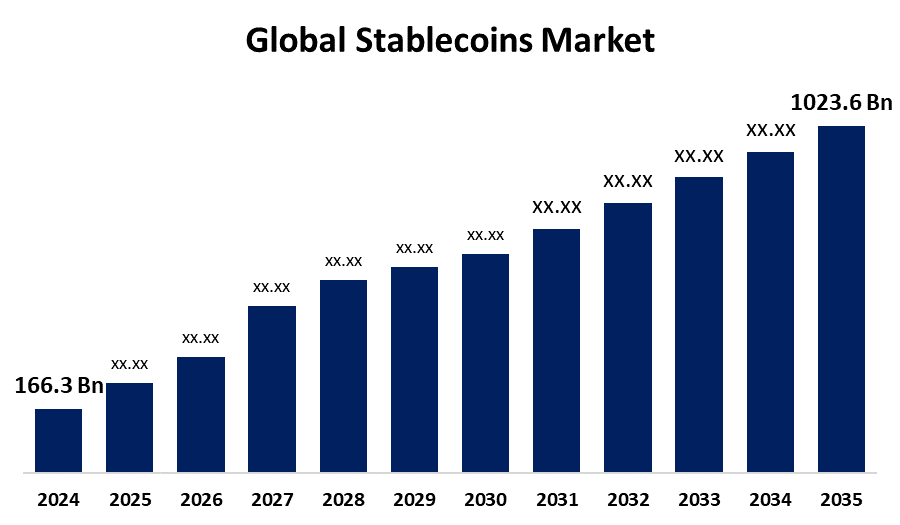
Therefore, market research from Astute Analytica shows the stablecoin payment infrastructure sector expands at a compound annual growth rate (CAGR) of 34.5%, surging toward $58 billion as B2B cross-border settlement gains widespread enterprise traction.
- Faster International Settlement: A stablecoin international payroll platform development strategy replaces rigid banking hours with 24/7/365 settlement rails. While gross-to-net calculations still require standard controls, the payout leg settles in seconds for contractor invoices and off-cycle payments.
- Lower Cross-Border Friction: Industry analysis by FXC Intelligence shows traditional cross-border fees average $28–$52 per transfer, whereas stablecoins cost under $1. Data from the BCG Global Payments Report highlights how stablecoin channels eliminate intermediary correspondent fees and reduce hidden FX spreads.
- Worker Payout Choice: Workers can receive USDC, local fiat, or split payments. Remote introduced USDC contractor payouts across nearly 70 countries to satisfy demand, while World Bank remittance data confirms digital assets provide unbanked talent instant dollar-backed liquidity.
- Gig Economy Support: A stablecoin gig economy payroll platform development approach enables low-cost micro-payouts and earned wage access without standard wire fees.
- Treasury Coordination: Centralizing treasury eliminates multi-country prefunding, allowing instant batch payouts and real-time on-chain reconciliation.
- Last-Mile Access: In emerging markets across LatAm, APAC, and Africa, local off-ramps convert tokens directly into local bank accounts or mobile money (e.g., M-Pesa).
Enterprise adoption is driven by concrete treasury efficiency and instant liquidity. Consequently, companies that build a stablecoin payroll system for enterprises streamline cross-border operations while giving workers flexible settlement options.
Enterprise Stablecoin Payroll Platform Features
Modern businesses require structured software to run global payouts safely. Consequently, a production platform must organize these capabilities around real operational workflows.
1. Payroll Calculation and Gross-to-Net Processing
The engine calculates gross pay while automatically applying local rules. Consequently, it delivers accurate net disbursements.
- Salary, hourly, bonuses, and contractor invoices
- Tax withholdings, benefits, and garnishments
2. Payroll Scheduling and Approval Workflows
Flexible scheduling handles complex global workforce cycles smoothly. Therefore, managers maintain total control over payouts.
- Recurring, off-cycle, and milestone approvals
- Role-based permissions and emergency holds
3. Bulk and Batch Stablecoin Disbursements
Processing thousands of global payouts simultaneously requires dedicated blockchain batching engines. As a result, operations remain cost-effective.
- Idempotent processing preventing duplicate payments
- Automatic gas optimization and failure retries
4. International Employee Payroll
Full-time global workers require complete statutory compliance. Therefore, localized rules safeguard cross-border operations.
- Local tax filings and statutory deductions
- Legal payslips and consent tracking
5. Stablecoin Contractor Payroll Platform Features
Managing global contractors requires fast invoice approvals. Consequently, essential stablecoin contractor payroll platform features simplify compliance.
- W-8/W-9 collection and 1099 reporting
- Multi-currency invoice mapping
6. Stablecoin Gig Economy Payroll Platform Development
A stablecoin gig economy payroll platform development approach enables high-frequency micropayouts. Thus, workers get instant liquidity.
- On-demand settlement and tip distribution
- Negative-balance controls and marketplace reconciliation
7. Earned Wage Access and On-Demand Pay
Workers can access earned income before traditional paydays. As a result, retention improves significantly.
- Accrued balance calculation and prefunding
- Automatic payroll cycle reconciliation
8. Employee and Contractor Self-Service
Self-service portals reduce HR support tickets substantially. Therefore, workers manage personal preferences independently.
- Wallet registration and bank off-ramps
- Split payouts, payslips, and tax forms
9. Employer Dashboard and Payroll Analytics
Finance leaders require complete visibility over global liquidity. For this reason, dashboards track key corridor metrics.
- FX costs and payout success rates
- Compliance alerts and real-time reconciliation
Blending rigid HR controls with automated blockchain settlement ensures fully compliant global payouts. Once features are established, integration into existing HRIS networks becomes essential.
Stablecoin Payroll Platform Architecture and Technology Stack
A production-grade stablecoin payroll architecture strictly separates the payroll calculation engine from the on-chain settlement pipeline. Consequently, transaction congestion or ledger latency on public blockchains never corrupts the enterprise system of record.
Therefore, by decoupling workforce calculations, double-entry accounting, payout orchestration, and node connectivity into distinct microservices, the platform guarantees auditability, zero-trust security, and continuous operational uptime.
Consequently, for a deeper breakdown of the settlement and ledger layers, see our guide on How to Build a Stablecoin Payment Platform for Global Businesses.
Core Architecture Components and Technology Stack
To ensure complete systemic resilience, engineering teams must map every architectural responsibility to specific production technologies, integration protocols, and operational workflows.
| Architectural Layer | Core Functional Responsibilities | Primary Workflow Components | Suggested Technology Stack |
| Experience Layer | Manages front-end interfaces for employers, workers, and auditors. | Employer web dashboard, worker self-service portal, mobile app, and compliance administration console. | React, Next.js, React Native, Tailwind CSS, TypeScript. |
| Payroll & Workflow Layer | Calculates gross-to-net pay and manages approval state machines. | Gross-to-net engine, scheduling service, tax withholding, garnishments, and automated payslip delivery. | Java (Spring Boot), Go, Node.js, PostgreSQL, Redis. |
| Internal Double-Entry Ledger | Serves as the immutable financial source of truth for all balances. | Tracking pending, available, reserved, and settled balances alongside FX gains, losses, and reversals. | PostgreSQL, Kafka (event streaming), Redis, Ledger Engine. |
| Payment-Orchestration Layer | Executes payout routing, batching, gas optimization, and retries. | Batch disbursement processing, FX rate locking, idempotent execution, and automated gas management. | Go, Microservices, Temporal.io, Kafka, REST/gRPC. |
| Blockchain Connectivity Layer | Handles direct node communications and on-chain transaction finality. | Multi-RPC provider failover, chain indexers, nonce management, and transaction monitoring. | Alchemy, QuickNode, Ethers.js, Viem, Web3.js, Tendermint. |
| Wallet & Custody Layer | Secures corporate treasury funds and controls disbursement keys. | MPC multi-party computation, HSM key isolation, multi-signature vaults, and self-custody integrations. | Fireblocks, Custody SDKs, AWS KMS, HashiCorp Vault. |
| Compliance & Risk Layer | Enforces regulatory checks before and during transaction execution. | Automated KYC/KYB verification, wallet sanctions screening, FATF Travel Rule messaging, and audit logging. | Chainalysis, TRM Labs, Sumsub, Persona, Custom Rules Engine. |
| Data & Reporting Layer | Stores historical records and exports audit-ready financial data. | Encrypted employee data retention, regulatory reporting, analytics warehousing, and tax form generation. | AWS Redshift, Snowflake, PostgreSQL, OpenTelemetry, ELK. |
| Infrastructure & CI/CD | Coordinates cloud hosting, container orchestration, and secret protection. | Zero-trust access controls, infrastructure as code, automated pipelines, and continuous monitoring. | AWS/Azure, Kubernetes (EKS), Terraform, Docker, Vault. |
Decoupling payroll calculations from on-chain execution protects the financial ledger from blockchain delays. Therefore, an internal double-entry ledger must always serve as the primary source of truth.
HRIS, ERP, Accounting, and Banking Integrations
A stablecoin payroll platform must extend existing enterprise infrastructure rather than isolate workforce data.
Consequently, seamless integration with systems of record guarantees accurate gross-to-net calculations, compliant journal entries, and real-time ledger synchronization.
Platform Integrations Table
| Integration Category | Primary Target Systems | Core Data Workflows | Integration Protocols & Architecture | Failure & Conflict Controls |
| HRIS & Payroll Sync | Workday, ADP, SAP SuccessFactors, Rippling, BambooHR, Gusto, Deel, Remote, Custom HRIS | Synchronizes worker profiles, compensation updates, terminations, country transfers, and payroll execution status callbacks. | REST APIs, GraphQL, Webhooks, SFTP, and scheduled CSV fallback pipelines. | Idempotent payloads, schema versioning, automated retry queues, and stale tax data alerts. |
| ERP & General Ledger | SAP, Oracle NetSuite, Microsoft Dynamics 365, Enterprise ERPs | Posts journal entries, tracks payroll liabilities, maps cost centers, and records FX gains, losses, and gas fees. | Bi-directional REST APIs, automated file transfers, and entity-level subledgers. | Automated reconciliation files, entity balance validation, and duplicate entry blocking. |
| Accounting Software | QuickBooks Online, Xero, Sage | Maps expense accounts, reconciles stablecoin payouts, and exports payroll liability summaries for small businesses. | OAuth 2.0 REST APIs and automated ledger mapping engines. | Transaction status polling, error logs, and manual reconciliation overrides. |
| Banking & Treasury | Banking APIs, Virtual Accounts, Fiat On/Off-Ramps, Liquidity Pools | Manages bank balances, executes funding instructions, initiates fiat-to-stablecoin conversions, and tracks liquidity. | ISO 20022 messaging, Open Banking APIs, and secure webhooks. | Automated balance threshold alerts, failed transfer retries, and liquidity checks. |
Deep integration across HRIS, ERP, and banking systems prevents duplicate data entry and ensures full accounting compliance.

KYC, AML, and Security Requirements For The Platform
Regulatory compliance for a stablecoin payroll platform requires an integrated governance framework spanning labor law, tax rules, anti-money laundering controls, and information security.
Consequently, relying solely on basic KYC or wallet screening leaves enterprises vulnerable to heavy fines and regulatory enforcement.
Platform Compliance and Governance Framework Matrix
| Compliance & Security Layer | Primary Regulatory / Operational Scope | Core Functional Requirements | Suggested Compliance Tech Stack |
| Worker Classification | Employee vs. Contractor status determination. | Mandates automated tax withholding, statutory benefit obligations, minimum wage rules, and 1099/W-8 BEN workflows. | Custom Rules Engine, HRIS Sync. |
| Local Wage & Consent Rules | Jurisdiction-specific payroll payment laws. | Manages legal tender ratios, signed worker consent, minimum wage conversion tracking, and itemized paystubs. | Compliance Matrix, Document Vault. |
| Tax Withholding & Reporting | IRS and international tax agency compliance. | Calculates W-2/FICA/FUTA withholdings in fiat at payout time and generates annual tax forms automatically. | Tax Engine, IRS Direct API Integrations. |
| KYC & KYB Verification | Employer and worker identity verification. | Verifies corporate UBOs, validates worker ID/address documents, detects duplicates, and runs periodic background checks. | Sumsub, Persona, Veriff. |
| AML & Sanctions Screening | On-chain risk and transaction monitoring. | Screens wallets against OFAC sanctions, tracks payment velocity, flags structuring, and escalates suspicious cases. | Chainalysis, TRM Labs, Elliptic. |
| FinCEN & Licensing | Money transmission perimeter rules. | Evaluates whether the platform operates as a software provider or money transmitter based on fund custody controls. | Regulatory Advisory, Licensed Custodians. |
| FATF Travel Rule | VASP counterparty data messaging. | Transmits originator and beneficiary identity payload with transfers and enforces unhosted wallet compliance. | Notabene, Sygna, VerifyVASP. |
| Regional Stablecoin Rules | EU MiCA and international frameworks. | Ensures supported stablecoins qualify as compliant E-Money Tokens (EMTs) and partners with licensed CASPs. | CASP Partner APIs, Token Registries. |
| Data Privacy (GDPR/CCPA) | Worker data protection and rights. | Enforces data minimization, local data residency, encryption, and worker record deletion workflows off-chain. | AWS KMS, HashiCorp Vault, PostgreSQL. |
| Zero-Trust Security | SOC 2 & ISO 27001 infrastructure standards. | Implements RBAC, least privilege access, hardware secrets management, immutable logs, and penetration testing. | AWS KMS, Okta, Datadog, OpenTelemetry. |
For a deeper breakdown of wallet-risk scoring and compliance automation, see our guide on How to Build an AI-Powered Transaction Monitoring System.
A compliant stablecoin payroll system must unite labor laws, tax regulations, AML monitoring, and zero-trust security into a single integrated framework.
AI Models That Improve Stablecoin Payroll Operations
AI accelerates risk detection and optimizes liquidity management across global payroll workflows. However, machine learning models must only assist operational decisions rather than replace statutory payroll rules or human compliance oversight.
1. Payroll Anomaly Detection
Predictive algorithms analyze historical payroll runs to identify suspicious pattern shifts before funds leave treasury accounts. Consequently, compliance teams stop unauthorized disbursements instantly.
- Duplicate Detection: Flags overlapping worker details, identical bank accounts, or repeated invoices.
- Payroll Deviations: Detects sudden salary spikes, abnormal payout frequencies, or altered wallets.
- Geographic Shifts: Highlights unexpected country changes and batch-total variances prior to execution.
2. Stablecoin Transaction Fraud Detection
Behavioral models and graph analysis track account access patterns to block sophisticated crypto fraud. Therefore, compromised accounts are isolated before payout authorization.
- Behavioral Analysis: Correlates device signals, transaction velocity, and wallet-risk scores.
- Pattern Recognition: Identifies coordinated syndicate attacks, mule network activity, and wallet takeover attempts.
3. Automated Reconciliation
Probabilistic matching engines reconcile complex multi-chain payments against off-chain enterprise records. As a result, accounting teams achieve zero-latency month-end ledger closing.
- Multi-Layer Matching: Links HRIS logs, internal ledger entries, bank settlements, and transaction hashes.
- Discrepancy Resolution: Automatically categorizes small FX rounding differences and flags unresolved payment failures.
4. FX and Liquidity Forecasting
Machine learning models predict upcoming fiat-to-stablecoin conversion needs across global subsidiaries. Consequently, corporate treasurers prevent liquidity shortfalls while minimizing conversion fees.
- Multi-Variable Projections: Forecast capital demands by country, stablecoin type, network, and payout date.
- Off-Ramp Optimization: Predicts local fiat liquidity constraints and off-ramp partner availability.
5. Payment-Routing Optimization
Dynamic routing engines evaluate live network conditions to select the most efficient settlement path. Therefore, cross-border payments land faster with minimal gas consumption.
- Smart Pathing: Rates routes using live fees, liquidity depth, network finality, and historical failure rates.
- Fallback Execution: Reroutes disbursements automatically if primary blockchain rails experience high congestion.
6. Compliance Case Prioritization
Risk-scoring models rank compliance alerts by severity to maximize analyst productivity. Meanwhile, deterministic hard rules continue to enforce mandatory sanction blocks automatically.
- Alert Scoring: Prioritizes complex suspicious activity reports for human review based on contextual risk.
- Rule Enforcement: Preserves non-negotiable blocks for sanctioned entities and restricted jurisdictions.
7. Explainability and Human Oversight
Enterprise AI architectures must remain fully auditable to satisfy strict financial regulators. Consequently, every model recommendation includes clear decision trails and manual override controls.
- Auditability: Logs detailed reason codes, confidence scores, and precise model-version records.
- Model Governance: Monitors data drift continuously while maintaining reviewer logs for regulatory inspections.
AI enhances operational efficiency and fraud defense, but human oversight must remain the final authority for all payroll executions. With AI optimization layered onto the platform, enterprises must next evaluate the total cost of development, deployment, and ongoing maintenance.
How to Build a Stablecoin Payroll Platform Step-By-Step
Building an enterprise-grade stablecoin payroll platform requires a systematic, risk-mitigated engineering approach. Consequently, Intellivon follows a proven eight-step deployment framework that connects core legacy HRIS infrastructure directly to low-cost digital settlement rails.
Step 1: Define Workforce Corridors and Operating Model
First, Intellivon maps your target corridors, worker classifications (W-2 employees vs. 1099 contractors), local currencies, and payout frequencies. Next, we establish the legal operating structure, determining whether your platform acts as self-custodial software, a payment orchestrator, or a system connecting licensed money transmitters.
Step 2: Design Ledger, Payout, and Reconciliation Architecture
Following legal positioning, engineers architect an internal double-entry ledger that separates gross-to-net payroll calculations from on-chain execution. Consequently, blockchain latency never corrupts your core financial system of record.
Step 3: Build the Core Payroll and Disbursement Engine
Once the ledger layer is finalized, we build the underlying calculation services, approval state machines, scheduling modules, and payslip generation engines. Furthermore, this engine supports flexible worker preferences, enabling partial payouts split across fiat bank accounts and stablecoin wallets.
Step 4: Integrate Wallets, Stablecoins, and Fiat Rails
Next, Intellivon connects secure wallet custody solutions (such as MPC or HSM-backed vaults), supported stablecoin contracts, and blockchain node infrastructure. Meanwhile, we integrate local fiat on-ramps and off-ramps to ensure smooth last-mile conversion to local currencies.
For a deeper view of multi-corridor payout architecture, see our guide on Building Cross-Border Payment Platforms Using Stablecoins.
Step 5: Connect HRIS, ERP, and General Ledger Systems
After establishing payment rails, we deploy robust REST APIs, webhooks, and SFTP pipelines to synchronize data with Workday, SAP, NetSuite, and QuickBooks. Therefore, worker updates, salary changes, and general ledger journal entries flow automatically without human intervention.
Step 6: Embed Security, KYC, and Travel Rule Controls
Subsequently, engineering teams integrate identity verification (KYC/KYB), automated wallet-risk scoring, and FATF Travel Rule messaging protocols. Consequently, the payment engine automatically screens wallets against global sanctions before releasing any batch funds.
Step 7: Train AI Optimization Models and Validate Features
Following security implementation, we train specialized AI models for payroll anomaly detection, automated multi-layered reconciliation, and FX liquidity forecasting. Crucially, strict human-in-the-loop controls are maintained so AI alerts flag risks without replacing human authorization.
Step 8: Execute Parallel Payroll Runs and Staged Launch
Finally, Intellivon executes parallel payroll runs alongside your legacy systems to compare pay totals, tax withholdings, and journal entries. Once validated, we launch the platform in a controlled contractor corridor before scaling to full global employee payroll.
Executing a staged, eight-step implementation minimizes compliance risks, ensures absolute ledger accuracy, and accelerates overall time-to-market.
Stablecoin Payroll Software Development Cost: $70,000–$300,000
A stablecoin payroll platform costs $70,000–$300,000 to build, depending on workforce type, country coverage, payroll logic, custody, stablecoins, integrations, compliance modules, AI functionality, and last-mile payout methods.
Recommended Cost Tiers
| Platform Scope | Cost Range | Suitable For |
| Contractor Payout MVP | $70,000–$110,000 | One to three corridors, basic KYC, one stablecoin, one chain, batch payouts, and simple HRIS import. |
| Enterprise Payroll Platform | $120,000–$200,000 | Employees and contractors, multiple entities, tax integrations, HRIS/ERP connectivity, MPC custody, and local off-ramps. |
| Multi-Tenant Payroll SaaS | $210,000–$300,000 | Multiple customers, jurisdictions, chains, Earned Wage Access (EWA), gig payouts, advanced compliance, AI, and white-label functionality. |
Development Phase Budget Breakdown
- Discovery & Regulatory Scoping ($5,000–$15,000): Workflow mapping, corridor research, legal licensing, and technical architecture.
- UX/UI Product Design ($7,000–$20,000): Employer dashboards, worker self-service portals, mobile onboarding, and compliance consoles.
- Payroll Engine, Ledger & Backend ($20,000–$60,000): Gross-to-net calculations, scheduling engines, approval state machines, and double-entry ledgering.
- Blockchain, Wallet & Custody Infrastructure ($15,000–$45,000): Node connectivity, MPC/HSM key management, signing workflows, and finality tracking.
- HRIS, ERP & Banking Integrations ($10,000–$40,000): Custom data pipelines connecting Workday, SAP, NetSuite, and banking APIs.
- Compliance & Tax Modules ($10,000–$45,000): Automated KYC/KYB, wallet sanctions screening, Travel Rule messaging, and W-2/1099 tax exports.
- AI Models & Analytics ($8,000–$35,000): Machine learning models for fraud prevention, automated reconciliation, and FX forecasting.
- QA, Security Testing & Audits ($8,000–$30,000): Automated end-to-end testing, penetration tests, KMS reviews, and disaster recovery validation.
Ongoing Maintenance
Annual maintenance requires 15%–25% of the initial build cost ($10,500–$75,000/year). Consequently, this budget covers regulatory updates, tax-rule changes, blockchain upgrades, compliance tuning, and API maintenance.
Conclusion
Modernizing global workforce disbursements through a stablecoin payroll platform fundamentally eliminates cross-border delays and high intermediary fees. Furthermore, separating on-chain execution from your internal accounting ledger ensures continuous compliance and complete auditability.
As regulatory clarity accelerates worldwide enterprise adoption, deploying modular, secure payment architecture is no longer optional. Ultimately, partnering with an expert development team like Intellivon allows your enterprise to launch scalable, future-proof payroll infrastructure efficiently.
FAQs
Q1. Can an Employer Legally Pay Employees Entirely in Stablecoins?
A1. Legality depends on specific country and state labor laws. While many jurisdictions permit digital asset payments, employers typically must secure explicit worker consent, fulfill statutory tax withholdings in local fiat, ensure minimum-wage valuation at execution, and submit compliant statutory reports.
Q2. Is Stablecoin Payroll Easier for Contractors Than Employees?
A2. Yes, contractor disbursements involve fewer statutory payroll and benefit obligations. However, platforms must still enforce strict worker classification checks, track 1099/W-8 BEN tax reporting, execute wallet sanctions screening, and maintain immutable payout records.
Q3. Which Stablecoin Is Best for an International Payroll Platform?
A3. Selecting the ideal stablecoin requires evaluating dollar or local currency backing, on-chain liquidity, redemption guarantees, multi-network availability, and regulatory compliance. Furthermore, platforms must ensure robust last-mile off-ramp access in recipient regions.
Q4. Which HRIS Integrations Should an Enterprise Payroll Platform Support First?
A4. Development teams should first prioritize the client’s existing primary system of record. Subsequently, platforms ought to integrate high-density enterprise platforms like Workday, ADP, and SAP SuccessFactors, followed by mid-market systems such as Rippling, BambooHR, and Gusto.
Q5. Can Stablecoin Payroll Support Earned Wage Access?
A5. Yes, stablecoin rails enable real-time Earned Wage Access (EWA). Furthermore, the platform calculates accrued wages continuously, enforces withdrawal caps, manages liquidity prefunding, and automatically reconciles early payouts during the primary payroll cycle.
Q6. How Does a Stablecoin Payroll Platform Handle Failed or Incorrect Payments?
A6. Platforms mitigate execution failures through pre-transfer wallet validation and allowlists. However, if an on-chain failure occurs, automated payment holds, retry queues, off-chain ledger corrections, and clear recovery procedures ensure complete financial integrity.
To Sum It Up:
- Stablecoin payroll does not replace the payroll engine. It replaces or supplements the settlement rail after gross-to-net pay has been approved.
- A wallet with batch transfers is not an enterprise payroll platform unless it also manages payroll records, deductions, compliance, reconciliation, and worker support.
- Contractor payouts are usually the safest first rollout because employee wages introduce more tax, labor-law, consent, and reporting requirements.
- The blockchain with the lowest transaction fee is not always the cheapest payroll rail once liquidity, off-ramp access, failed payments, and support costs are included.
- Most stablecoin payroll builds cost $70,000–$300,000, but country coverage and integration depth affect cost more than the number of dashboard features.