Key Takeaways:
-
ESG data management collects data from ERP, EHR, HRIS, utility, waste, procurement, supplier, and IoT systems.
-
CSRD, GRI, SASB, TCFD, SEC, CDP, and EU Taxonomy mapping are core compliance reporting requirements.
-
HIPAA-safe architecture, data lineage, AI anomaly detection, and approval workflows ensure governed platform operations.
-
Custom enterprise ESG data platforms cost $70,000 to $300,000 depending on integrations and compliance depth.
-
How Intellivon builds ESG data management as compliance-grade infrastructure for enterprises.
ESG data management software needs five core feature layers working in sequence, starting with multi-source data ingestion from ERP, EHR, HR, IoT, and supply chain systems, moving through a normalization engine that maps all incoming data to a unified ESG taxonomy. Additionally, it must have a multi-framework reporting module, an AI analytics layer, and a governance module covering audit trails and third-party verification workflows.
The feature that determines whether everything else works is the normalization engine, not the reporting module, because ESG software that maps source data directly to GRI or TCFD frameworks without a governed normalization layer in between produces dashboards running on inconsistently formatted, unverified data. Deloitte’s 2024 Sustainability Action Report found that 57% of executives cite data quality as their top ESG challenge, making the normalization layer the feature that solves that problem at its source before it reaches the reporting layer.
Intellivon has spent over a decade building compliance-grade ESG data platforms for healthcare and financial services, always designing the normalization layer before any reporting feature is built. This blog covers every feature layer from data ingestion and multi-framework mapping through AI analytics, HIPAA-compliant architecture, and governance controls, ending with a complete feature checklist to validate vendors or brief a development partner.

What is ESG Data Management Software?
ESG data management software is an enterprise platform that acts as a single source of truth for an organization’s environmental, social, and governance metrics.
Instead of using fragmented spreadsheets, it automatically aggregates utility bills, supply chain footprints, and governance data into an audit-ready dashboard to streamline compliance and risk reporting..
ESG Data Management vs ESG Reporting
ESG data management focuses on collecting, cleaning, and verifying your raw sustainability data behind the scenes. On the other hand, ESG reporting takes that clean data and formats it into final packages for regulators and investors.
While a complete ESG data management software platform does both, you must build the data foundation first because beautiful dashboards are useless if the underlying numbers are inaccurate.
The table below contrasts a basic reporting interface with an enterprise data infrastructure layer.
| Metric | Sustainability Reporting Software | ESG Data Infrastructure Layer |
| Primary Goal | Creating visual dashboards and final disclosure PDF reports. | Ingesting, cleansing, and validating raw data from multiple sources. |
| Data Focus | Focuses on reporting outputs like charts and presentation slides. | Focuses on governed source data with an immutable audit trail. |
| System Logic | Relies on manual entries and basic calculations. | Features automated esg data collection workflows and data normalization. |
| Error Handling | Flags missing fields but cannot detect deeper data anomalies. | Runs ESG data quality scoring and validation on ingestion. |
Many organizations face issues when they purchase basic disclosure tools because these front-end dashboards fail without a back-end normalization engine. Specifically, if your software cannot automatically adjust for different utility formats, currency conversions, or regional grid variations, your final metrics will contain errors.
Why Healthcare ESG Platforms Need Industry-Specific Data Logic
Healthcare organizations do not generate sustainability data like generic corporations. Instead, their environmental footprint stems from energy-intensive clinical facilities, while their social metrics link directly to patient equity and workforce burnout. Furthermore, their governance models must remain entirely compliant with strict medical privacy laws.
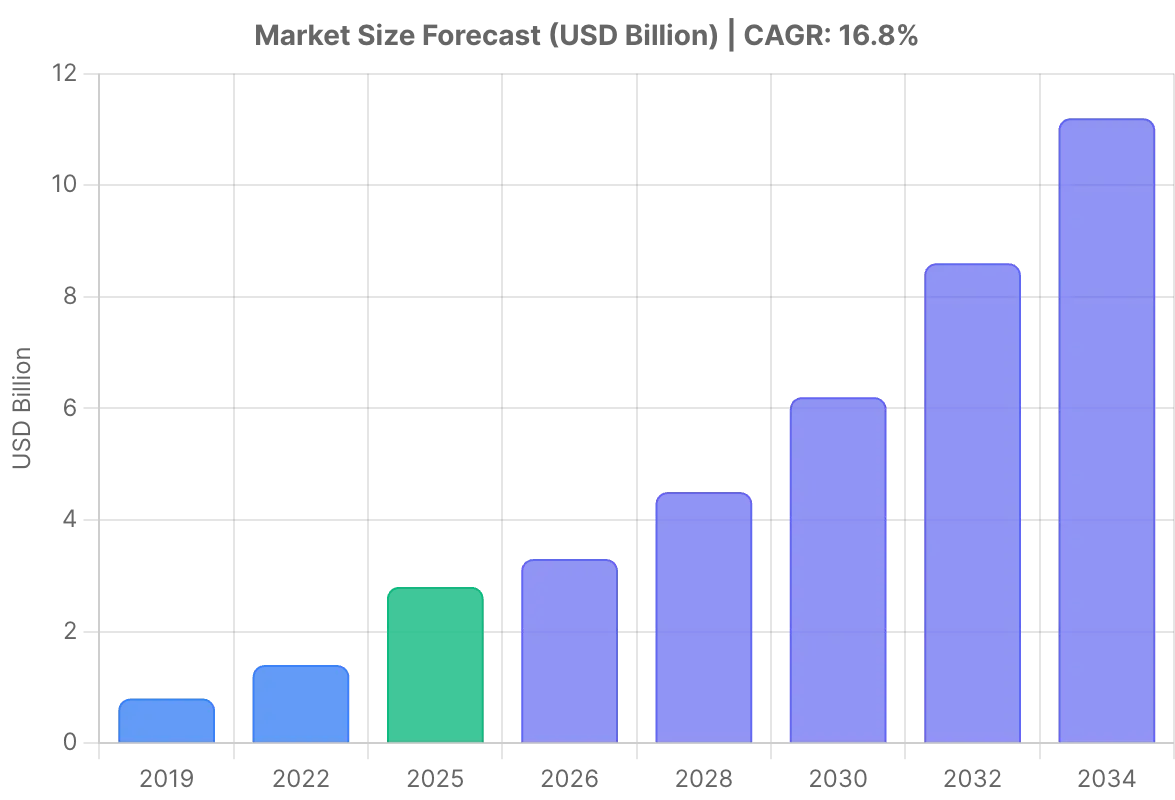
This significant increase represents an annual growth rate of nearly 17 percent over the forecast period, highlighting how rapidly large organizations are investing in compliance infrastructure.
1. Healthcare operational data challenges
Generic ESG tools usually assume basic corporate inputs like office energy and business travel. However, healthcare networks require a healthcare ESG software features and functionality framework that can track specialized clinical variables.
- Complex Facility Streams: The software must separate data from high-acuity trauma centers, cold-storage pharmacies, and outpatient clinics.
- Unique Material Inputs: Platforms must calculate specialized emissions factors for anesthetic gases, regulated medical waste, and sterilization systems.
2. Elevating clinical social and governance metrics
In this sector, social metrics go far beyond standard employee surveys. A dedicated patient equity data management feature must track care access alongside a healthcare workforce diversity metrics module to monitor nurse staffing ratios and clinical burnout.
Furthermore, data governance must support strict healthcare regulations. Because your engineers must protect patient privacy, the platform requires a PHI-safe ESG data architecture and HIPAA-compliant ESG data management pipelines.
Ultimately, better data logic leads to better capital decisions. By deploying a hospital energy and waste tracking module, executives can easily spot which facilities drive emissions and where compliance risks are highest.
ESG Data Collection Features That Stop Manual Reporting Chaos
The best ESG data collection features replace email chasing, spreadsheet consolidation, and last-minute report assembly with automated ingestion workflows. Enterprise platforms should collect data from internal systems, external vendors, suppliers, facility meters, and manual contributors. Simultaneously, they must enforce strict due dates, validation rules, data ownership, and evidence upload requirements.
The table below breaks down the essential collection capabilities needed to eliminate manual data errors.
| Feature Area | Key Technical Capability | Enterprise Operational Benefit |
| Multi-Source Aggregation | Multi-source ESG data aggregation via ESG API integration and connectivity across ERPs and EHRs. | Eliminates manual entry by pulling data directly from systems like SAP or specialized healthcare platforms. |
| Manual Contributor Workflows | Built-in automated ESG data collection workflows with assigned task reminders and evidence upload rules. | Replaces email chasing by giving site-level owners clear forms with mandatory document attachments. |
| Facility & IoT Tracking | Continuous IoT ESG data integration feature wired to utility meters and waste vendor databases. | Powers a hospital energy and waste tracking module to monitor energy, water, and medical waste in real time. |
| Data Portability | Advanced ESG data import/export capabilities supporting secure SFTP and flexible batch file formats. | Allows teams to safely share audit-ready financial and environmental inputs with third-party assurance providers. |
In practice, data collection features must treat ingestion as a governed pipeline rather than a simple file upload area.
Data Quality And Audit Trails ESG Buyers Must Demand
ESG buyers should demand data quality scoring, lineage, validation, and audit trails because disclosures increasingly face intense board review and investor scrutiny. The platform must clearly show where every single number came from, who changed it, and which calculation was applied. Furthermore, it needs to verify what evidence supports the data and whether the value passed validation.
The table below details the data integrity capabilities required to survive an external assurance review.
| Integrity Layer | Technical Feature Requirement | Operational Compliance Value |
| Quality Validation | ESG data quality scoring and validation combined with ESG data normalization and cleansing. | Flags missing values, outliers, and facility-level variance errors before your disclosures are drafted. |
| Anomaly Detection | AI-powered ESG anomaly detection models running continuously across all data ingestion channels. | Automatically highlights unusual drops or spikes in utility usage, catching human errors instantly. |
| Lineage Tracking | A permanent ESG data lineage and audit trail system mapping source data to final reports. | Captures the exact transformation history, including calculation formulas and emission factor versions. |
| Auditor Verification | A secure third-party assurance and verification module providing read-only reviewer access. | Creates exportable audit packages that let external verification teams review evidence rooms easily. |
To make these capabilities work, data quality must be designed at the foundational database and workflow levels.
Multi-Framework Reporting Features Of The Platform
A multi-framework ESG reporting module lets one validated ESG data point support many disclosure requirements. Consequently, enterprise platforms map core metrics to GRI, SASB, TCFD, CSRD, and SEC formats without duplicating calculations.
This setup prevents parallel reporting teams from running different calculations for identical operational values.
- Cross-Framework Mapping: Integrates a GRI reporting feature, SASB reporting integration, and TCFD reporting module into one central data registry to automate data reuse.
- European Compliance Ready: Includes a CSRD compliance reporting feature and an EU taxonomy alignment feature backed by a double materiality assessment feature and iXBRL digital tagging.
- Flexible Federal Logic: Powers SEC ESG disclosure reporting with adaptable rules that let compliance officers adjust to shifting climate laws without modifying the core code.
This centralized approach streamlines CDP disclosure automation, saving hundreds of resource hours during annual submission cycles.
Ultimately, framework mapping turns your software into reliable compliance infrastructure. However, the hardest part of sustainability management is tracking emissions data, which we will break down next.
Scope 3 And Net Zero Features Inside ESG Platforms
A custom carbon accounting module ESG platform calculates Scope 1, Scope 2, and Scope 3 greenhouse gas emissions by pairing raw activity data with verified emission factors.
Furthermore, it connects these metrics to SBTi target integration and monitoring tools. This setup allows enterprise leaders to map out net zero pathway tracking feature models while maintaining absolute mathematical transparency.
- Advanced Calculation Engine: Features a GHG emissions calculation engine and a Scope 1, 2, and 3 emissions tracking feature that supports location-based and market-based Scope 2 methods.
- Target Alignment: Includes ESG target setting and progress tracking workflows linked to predictive ESG analytics and forecasting models to calculate the return on carbon reduction investments.
- Supplier Engagement: Deploys a secure Scope 3 supplier data portal alongside a supplier ESG scorecard and rating system to replace rough spend-based estimates with supplier-verified, activity-based data.
This granular breakdown protects companies during data audits by keeping calculation assumptions fully visible.
In short, reliable carbon modules transform corporate climate goals into highly defensible operational roadmaps. However, greenhouse gas tracking is just one part of the puzzle, so the platform must also manage specialized healthcare social and governance metrics.
Healthcare ESG Software Features For Hospitals And Pharma Firms
Healthcare-specific ESG platforms must track facility emissions, medical waste, workforce diversity, and patient equity across complex multi-site operations.
Consequently, an enterprise healthcare ESG software features and functionality layer should map these metrics across strict privacy boundaries and procurement categories. This architecture allows hospital networks and pharmaceutical firms to generate audit-ready compliance evidence without compromising day-to-day clinical workflows.
The table below details the core vertical features required for healthcare and life sciences ESG tracking.
| Healthcare Module | Core Technical Feature | Clinical & Operational Compliance Value |
| Environmental & Waste | Hospital energy and waste tracking module with a healthcare carbon footprint tracking feature. | Monitors energy, water, hazardous medical waste, and volatile anesthetic gases across multiple hospital facilities. |
| Social & Demographics | Patient equity data management feature and healthcare workforce diversity metrics module. | Tracks care access, community impact, and nurse staffing ratios using aggregated, de-identified datasets. |
| Governance & Procurement | Clinical governance tracking feature integrated with pharmaceutical ESG data management features. | Connects ESG targets to board decisions, ethics reviews, medical supply chain sustainability, and product lifecycles. |
| Network Analytics | Specialized ESG platform features for hospital networks for facility-level benchmarking. | Identifies operational anomalies and high-emission sites by comparing old hospital wings with modern clinics. |
To ensure complete compliance with medical privacy laws, these data pipelines must run through an isolated, HIPAA-compliant ESG data management framework. For this reason, Intellivon builds custom proxy layers that strip out Protected Health Information (PHI) before compiling utility or workforce metrics.
In summary, healthcare sustainability tracking is a deeply operational challenge that cannot be solved by generic corporate tools. Once your clinical data environment is fully secured, the next logical step is looking at how specialized financial platforms manage portfolio and investment risk.
Fintech ESG Features For SFDR, PCAF, And Green Bond Data
Fintech ESG data management features should support portfolio-level disclosures, financed emissions, green bond reporting, SFDR workflows, investment due diligence, and risk analytics. Financial services firms need ESG software that connects sustainability data to exposure, asset class, counterparty, investment product, and reporting obligations.
The table below details the necessary data capabilities for financial technology and asset management applications.
| Fintech Module | Core Technical Feature | Portfolio & Compliance Value |
| Financed Emissions | PCAF financed emissions tracking module with asset-level emissions attribution. | Estimates and reports greenhouse gas emissions linked to lending, underwriting, and capital investments. |
| European Disclosure | SFDR reporting feature fintech with tracking for Principal Adverse Impact (PAI) indicators. | Streamlines fund-level and entity-level disclosures while ensuring EU taxonomy alignment feature mapping. |
| Sustainable Debt | Green bond reporting feature with automated impact allocation tracking. | Connects bond proceeds to specific green projects, tracking verified environmental impact metrics for investors. |
| Risk Analytics | ESG risk assessment and scoring module with a climate risk scenario analysis feature. | Monitors transition risks, credit exposure, and includes ESG controversy monitoring and alerting feeds. |
These specialized tools connect diverse data streams into one dashboard, helping finance teams segment portfolios and run climate risk simulations easily.
In conclusion, financial ESG requires complex portfolio logic, whereas healthcare ESG requires deep operational tracking. However, both industries rely on the exact same foundation: a governed AI layer that analyzes data without ever fabricating disclosure evidence.
AI-Powered ESG Data Management Features That Help Teams
An AI-powered ESG data management platform features framework improves validation, classification, anomaly detection, forecasting, narrative drafting, and regulatory monitoring. However, AI should never publish compliance disclosures independently.
Instead, the safest system design maintains strict human-in-the-loop oversight, stores verifiable internal evidence records, explains every output, and completely limits model access to approved datasets.
- Continuous Anomaly Detection: Deploys ESG AI and machine learning features like AI-powered ESG anomaly detection engines to cross-reference new inputs against historical facility and supplier patterns, automatically flagging utility spikes or missing data.
- Controlled Narrative Drafting: Uses specialized NLP-powered ESG narrative reporting to draft disclosure summaries pulled exclusively from approved internal records, enforcing strict hallucination guardrails through ESG disclosure workflow automation.
- Traceable Strategic Foresight: Connects explainable AI ESG recommendations directly to predictive ESG analytics and forecasting models, ensuring that compliance directors see the exact model logic, confidence score, and climate risk scenario analysis feature data behind every target forecast.
Our engineering approach guarantees that machine learning features are integrated only after your core database access rules and manual review steps are fully stabilized.
Ultimately, AI adds immense value when it reduces your team’s manual data validation and review burden. However, it introduces significant operational risk if it produces unsupported claims. For this reason, your downstream value chain and supplier portal workflows must enforce structured, evidence-backed collection next
ESG Supply Chain And Supplier Data Features For Scope 3 Control
An ESG supply chain data collection feature allows enterprises to collect supplier emissions, policies, certifications, and labor evidence through controlled workflows.
For healthcare networks and financial firms, tracking this data is critical because value-chain exposure and vendor compliance sit entirely outside internal corporate networks.
Consequently, the platform must convert vague procurement estimates into highly traceable, audit-ready vendor records.
- Centralized Supplier Portals: Deploys a dedicated Scope 3 supplier data portal and an organized supplier evidence library, letting vendors upload greenhouse gas data, water footprints, and sustainability credentials directly into your system.
- Data Maturity Scoring: Integrates an advanced supplier ESG scorecard and rating engine within the ESG risk assessment and scoring module to rate vendors based on their real performance and data reliability.
- Sourcing Decision Systems: Links vendor sustainability insights directly to procurement choices, enabling a robust medical supply chain sustainability feature that flags high-risk suppliers during contract renewals or sourcing reviews.
By embedding these capabilities directly into your procurement dashboards, your compliance team can easily monitor hidden value-chain risks. Furthermore, these automated tools remove the need for manual email questionnaires, saving your purchasing department valuable time.
In conclusion, structured supplier workflows give your enterprise total control over Scope 3 accounting and third-party procurement exposure. However, gathering massive amounts of external vendor information significantly increases the overall security and data governance requirements across your entire technology platform.
Security, HIPAA, And Governance Features For ESG SaaS Platforms
Security and governance features protect ESG data, user access, healthcare-sensitive workflows, supplier evidence, and audit records. Enterprise ESG platforms need role-based access control, tenant isolation, administrator logs, and a zero-trust design for regulated environments.
Consequently, robust ESG data privacy and security features ensure that sustainability tracking meets the highest federal data protection standards.
The table below breaks down the technical security features required to operate an ESG platform inside highly regulated industries.
| Security Layer | Technical Feature Requirement | Operational Governance Value |
| Access Control | Role-based access control ESG platform with SSO and least-privilege scoping. | Restricts users to specific facility profiles, separating energy tracking from sensitive workforce or financial details. |
| SaaS Architecture | Secure multi-tenant ESG SaaS feature design with isolated encryption keys. | Protects database partitions while supporting white-label ESG data management platform features for consultants. |
| Medical Privacy | HIPAA-compliant ESG data management pipelines paired with a BAA-compliant ESG software feature. | Prevents the accidental ingestion of Protected Health Information (PHI) through strict zero-trust ESG platform security. |
| Compliance Proof | Permanent security audit logs and automated incident response evidence tracking. | Provides independent technology auditors with complete proof of data security during annual platform reviews. |
By establishing these strict boundaries, your system architecture ensures that data tracking never compromises regulatory protocols.
For instance, hospital compliance teams can safely audit their supply chain or utility outputs without risking unauthorized exposure to sensitive patient files.
In summary, data security is not an optional technical feature. Instead, it determines whether your ESG software can lawfully operate within enterprise healthcare and financial networks. Once your data governance and platform security layers are completely secured, you can focus on building dashboards that help executives take meaningful action.
Enterprise ESG Software Feature Checklist For Healthcare RFPs
An enterprise ESG software feature checklist healthcare buyers can use in RFPs should cover data ingestion, framework mapping, healthcare modules, supplier workflows, AI validation, dashboards, security, audit trails, scalability, and implementation support.
Consequently, this checklist separates basic MVP requirements from advanced enterprise capabilities. This structure allows CIOs and sustainability directors to easily prioritize engineering tasks based on corporate maturity and immediate compliance deadlines.
1. MVP Features For A $70K–$110K First Build
Focuses entirely on core data collection, KPI tracking, and basic reporting. This version suits a single business unit, limited facilities, or an organization launching its first formal sustainability initiative.
- ESG data collection and reporting software features including standard manual entry forms and basic evidence uploads
- A pre-populated ESG KPI library and metrics framework with built-in tracking.
- Basic cross-mapping engines supporting foundational CSRD, GRI, SASB, and TCFD mapping outputs.
- A reliable Scope 1, 2, and 3 emissions tracking feature restricted initially to Scope 1 and Scope 2 energy vectors.
- Standard dashboard exports alongside role-based access control for basic data contributors and reviewers.
2. Mid-Level Features For A $120K–$200K Platform
Adds stronger enterprise integrations, value-chain tracking, and data quality scoring. This tier is designed for expanding hospital systems and multi-entity enterprises.
- Automated ERP ESG data integration feature pipelines paired with HRIS connectivity.
- A secure Scope 3 supplier data portal to run a structured supplier ESG scorecard and rating system.
- Advanced ESG data normalization and cleansing with a localized ESG data quality scoring and validation engine.
- An interactive double materiality assessment feature map aligned with shifting ESRS topics.
- Immutable ESG data lineage and audit trail logs with board-ready reporting dashboards and multi-stage department approvals.
3. Enterprise Features For A $210K–$300K Build
Introduces machine learning, medical data proxies, and multi-tenant architectures. This tier meets the demands of large hospital networks, global pharmaceutical companies, and medtech leaders.
- Advanced AI-powered ESG data management platform features including automated AI-powered ESG anomaly detection and risk forecasting.
- A completely PHI-safe ESG data architecture providing a fully HIPAA-compliant ESG data management framework.
- A dedicated third-party assurance and verification module with external reviewer access.
- A predictive climate risk scenario analysis feature coupled with continuous ESG regulatory change tracking.
- Secure multi-tenant ESG SaaS feature design layers that support white-label ESG data management platform features across multiple sub-brands.
Building these custom capabilities ensures your digital ecosystem can scale efficiently as your data complexity increases over time.
In conclusion, this tiered checklist helps buyers successfully convert high-level sustainability strategies into clear functional requirements. Next, our comprehensive financial blueprint section will show exactly how these specific product requirements affect your development budget.
Enterprise ESG Software Development Cost: $70,000–$300,000
Enterprise ESG software development usually costs $70,000 to $300,000. This variance depends entirely on your total facility count, data complexity, integration depth, and compliance scope.
Consequently, a focused MVP begins near $70,000, while a comprehensive, multi-site platform with advanced machine learning features will approach $300,000.
| Build Tier | Best Organizational Fit | Estimated Capital Cost |
| ESG MVP | Single business unit, basic core metrics, and manual data uploads. | $70,000–$110,000 |
| Mid-Level ESG Platform | Multi-site hospital networks requiring automated Scope 3 supplier portals. | $120,000–$200,000 |
| Enterprise AI ESG Platform | Multi-entity organizations using AI validation and PHI-safe architectures. | $210,000–$300,000 |
Beyond the upfront implementation, annual maintenance requires an allocation equivalent to 18% to 25% of your initial build budget. This ongoing investment guarantees that your platform adapts to shifting carbon accounting factors and regional regulatory revisions.
For a deeper breakdown of related emissions platform engineering budgets, see our comprehensive guide on What Does It Cost to Develop Carbon Tracking Software?.
Ultimately, software development costs become predictable when features are linked strictly to system architecture rather than vague platform promises.
Build ESG Data Management Software With Intellivon’s Team
Intellivon engineers custom ESG data management software that transforms fragmented operational data into a single, audit-ready source of truth.
We build scalable, production-grade solutions for hospital systems, financial networks, and global enterprises that require deep customization, high-velocity automation, and strict compliance readiness.
- Custom Data Ingestion Pipelines: Continuous IoT ESG data integration features connectivity and secure APIs to capture utility, waste, and supply chain metrics.
- Vertical-Specific Infrastructure: Compliant architectures including a hospital energy and waste tracking module for health networks and a PCAF-financed emissions tracking module for fintech firms.
- AI Validation and Security: Specialized AI-powered ESG anomaly detection and automated data validation models running safely within a BAA-compliant ESG software feature layer.
- Multi-Framework Reporting: Flexible cross-mapping engines that automate compliance exports for CSRD, SEC, TCFD, and GRI.
Stop chasing spreadsheets and establish a legally defensible system of record. Instead, schedule a technical scoping session with our development team to map your data architecture, define your functional requirements, and detail your custom software roadmap.
Conclusion
Implementing dedicated ESG data management software transforms scattered, manual sustainability tracking into an automated, enterprise-grade system of record. By unifying multi-source data ingestion, strict HIPAA compliance, and multi-framework mapping, the platform secures financial-grade audit readiness.
Ultimately, evaluating this software as core operational infrastructure protects compliance data while driving long-term strategic decisions.
FAQs
Q1. How much does ESG data management software cost?
A1. Custom software generally ranges from $70,000 to $300,000. Therefore, a basic MVP costs up to $110,000, whereas an advanced, HIPAA-safe enterprise system requires an investment of $210,000 to $300,000.
Q2. How long does ESG data management software take to build?
A2. Developing a focused MVP usually requires 10 to 14 weeks. However, expanding this system into a multi-site production platform with AI validation and compliance controls typically takes 6 to 9 months.
Q3. What are the must-have features of ESG data management platform builds?
A3. Core builds must include automated ingestion, data quality scoring, framework mapping, and secure audit trails. Consequently, healthcare organizations must also prioritize a PHI-safe architecture to protect sensitive patient information.
Q4. What are the best features of ESG compliance management software?
A4. The top features include regulatory change tracking, automated data lineage, and read-only auditor access. As a result, compliance teams can confidently prove exactly how every sustainability claim was calculated and approved.