
Stablecoin Infrastructure for Neobanks
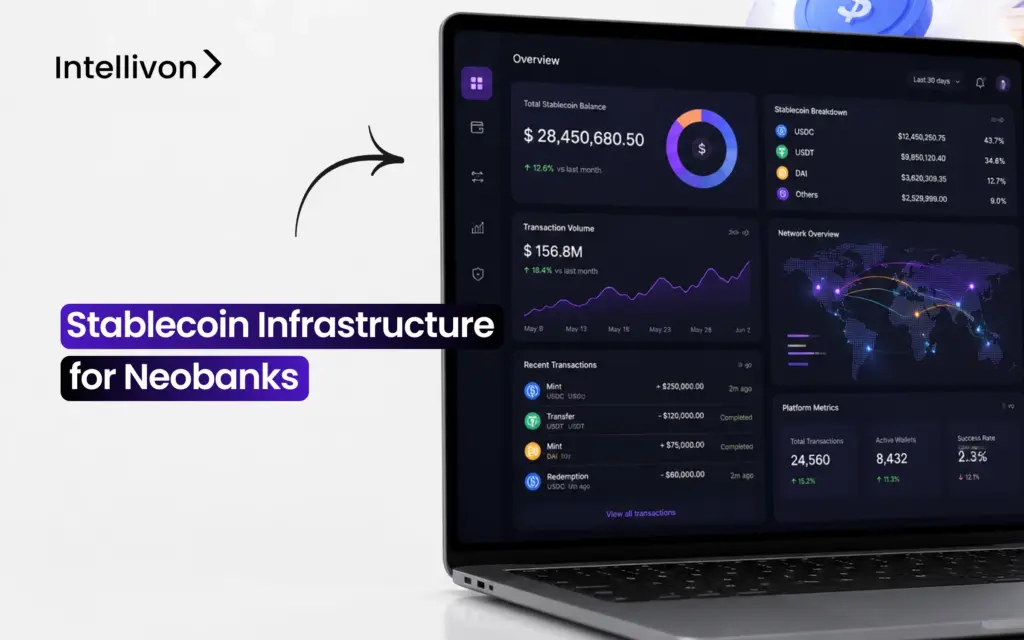
Key Takeaways: Stablecoin infrastructure for neobanks connects the app, core ledger, fiat rails, wallets, stablecoins, FX, and compliance services. Three operating models exist: partner-led custody,
Stablecoin Settlement Layer for Marketplaces
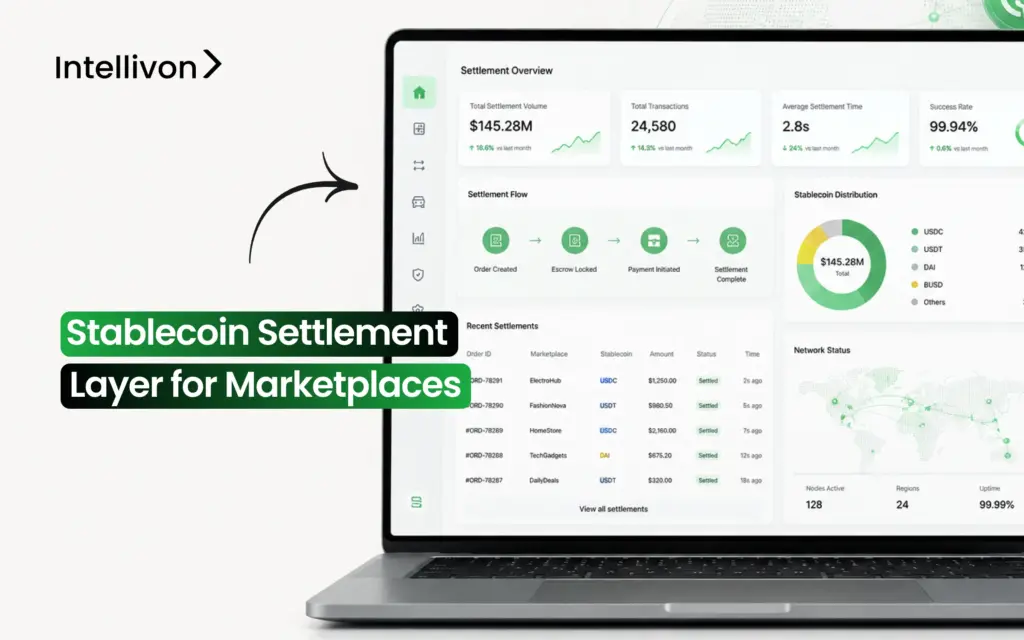
Key Takeaways: The settlement layer controls fund movement, payment states, escrow release, split payments, and reconciliation across the marketplace. Buyer funds move through programmable escrow
Stablecoin Remittance App Development Guide
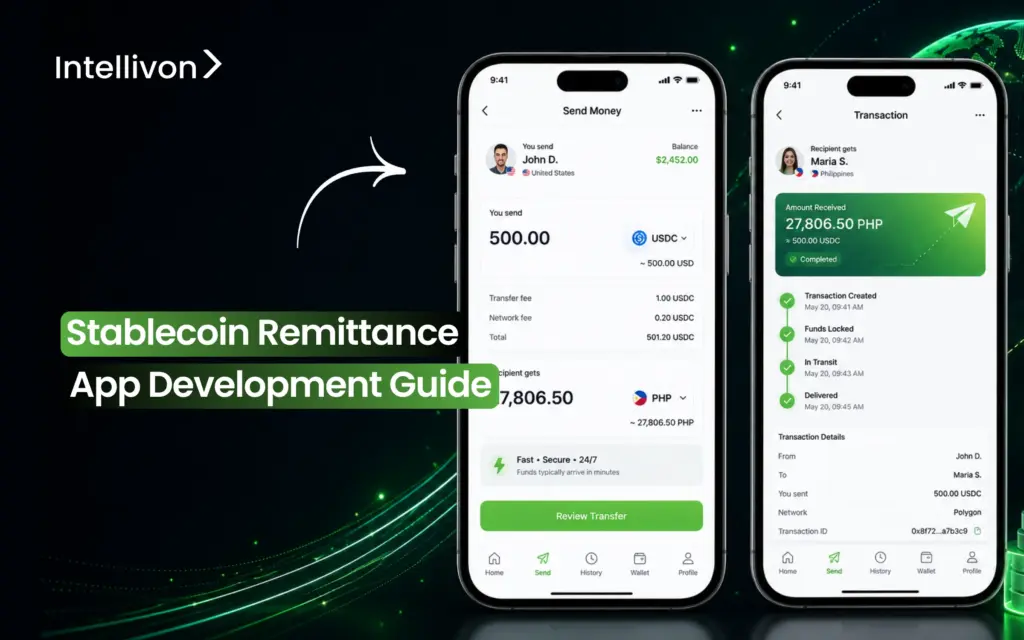
Key Takeaways: Stablecoin remittance apps start with one licensed corridor before adding wallets, currency conversion, and payout options. Every production app needs Travel Rule messaging,
Stablecoin Escrow Platform Development
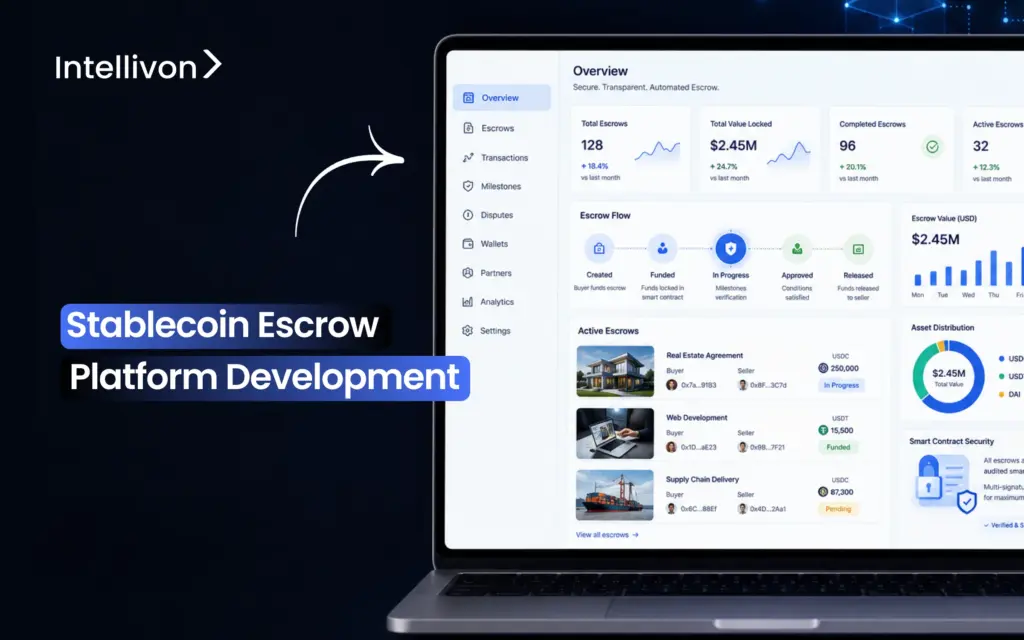
Key Takeaways: Stablecoin escrow platforms lock approved tokens until specific commercial conditions are verified and confirmed by the system. Every production build needs contract logic,
Stablecoin Payroll Platforms: Features, Cost & Development
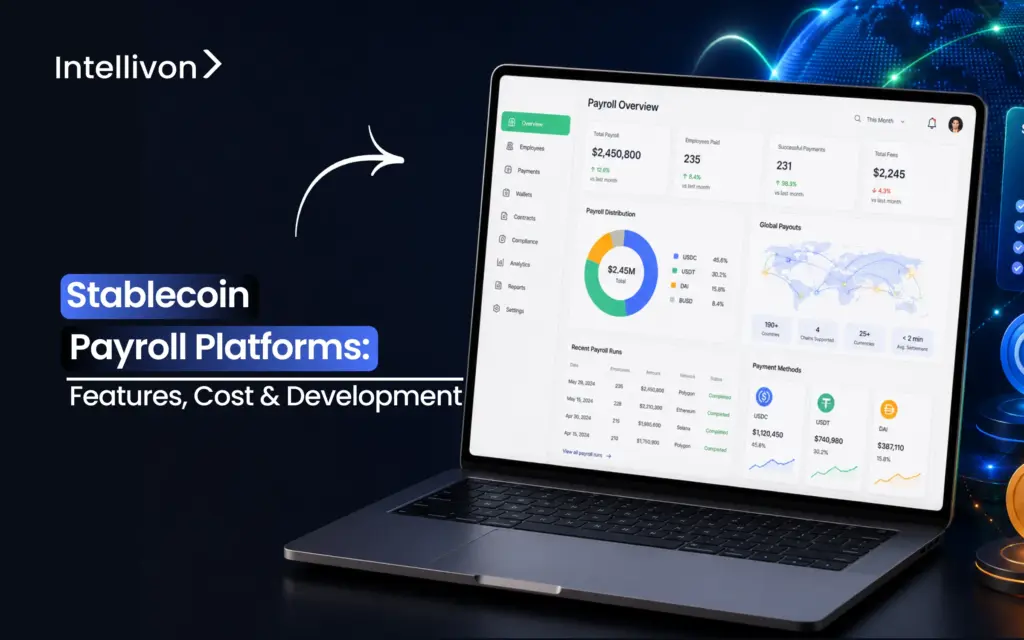
Key Takeaways: Stablecoin payroll platforms connect HR systems directly to payment settlement, removing manual steps from the process. Paying employees requires tax and labor compliance,
How Stablecoins Reduce Cross-Border Payment Costs
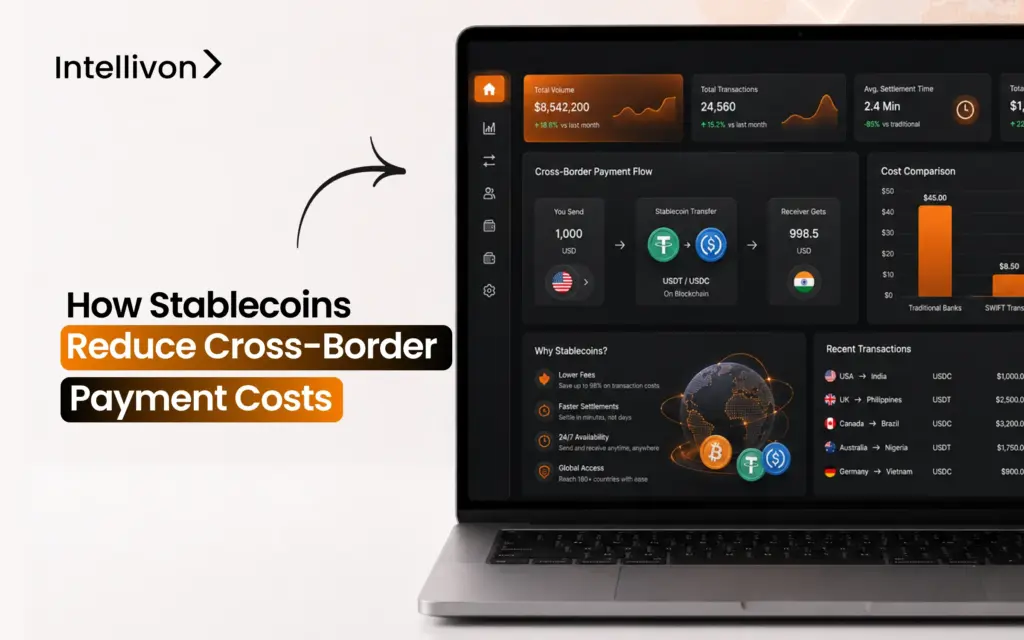
Key Takeaways: Stablecoins cut costs by removing middleman banks, currency conversion fees, and long waiting periods between payments. Some costs like local payouts, compliance, custody,
Stablecoin-Based Merchant Payment Solutions Explained
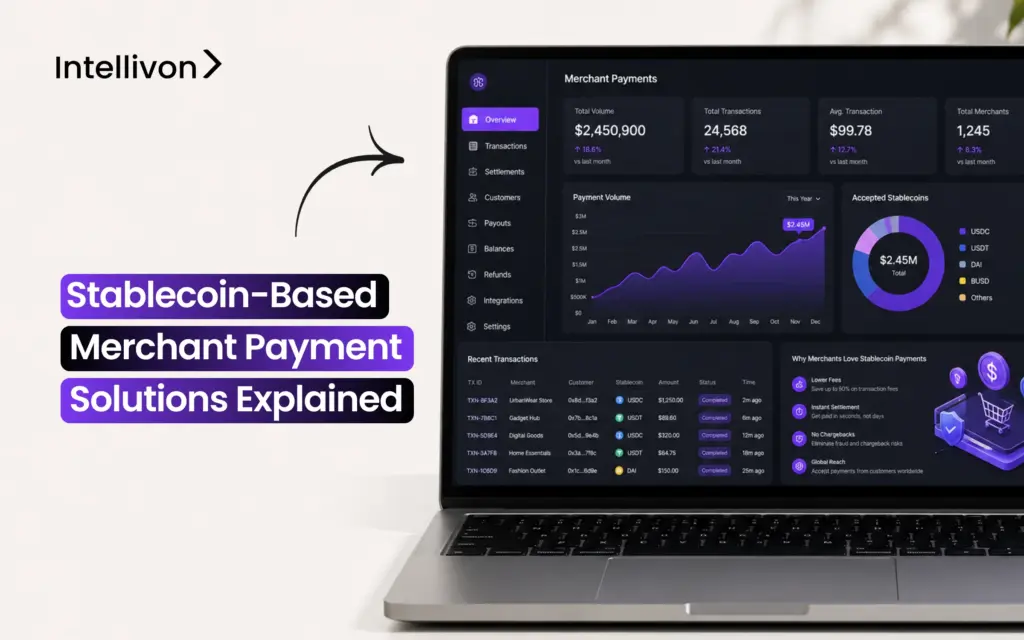
Key Takeaways: Stablecoin merchant platforms accept payments via wallets, QR codes, e-commerce checkout pages, and payment APIs. Transaction verification, wallet risk screening, internal ledger recording,
Building Multi-Currency Stablecoin Payment Systems

Key Takeaways: Multi-currency stablecoin payments require double-entry ledgers, MPC custody, FX rate-lock logic, and multi-chain routing. Fiat on-ramps, off-ramps, liquidity controls, Travel Rule messaging, KYC,
Stablecoin API Integration for Payment Apps
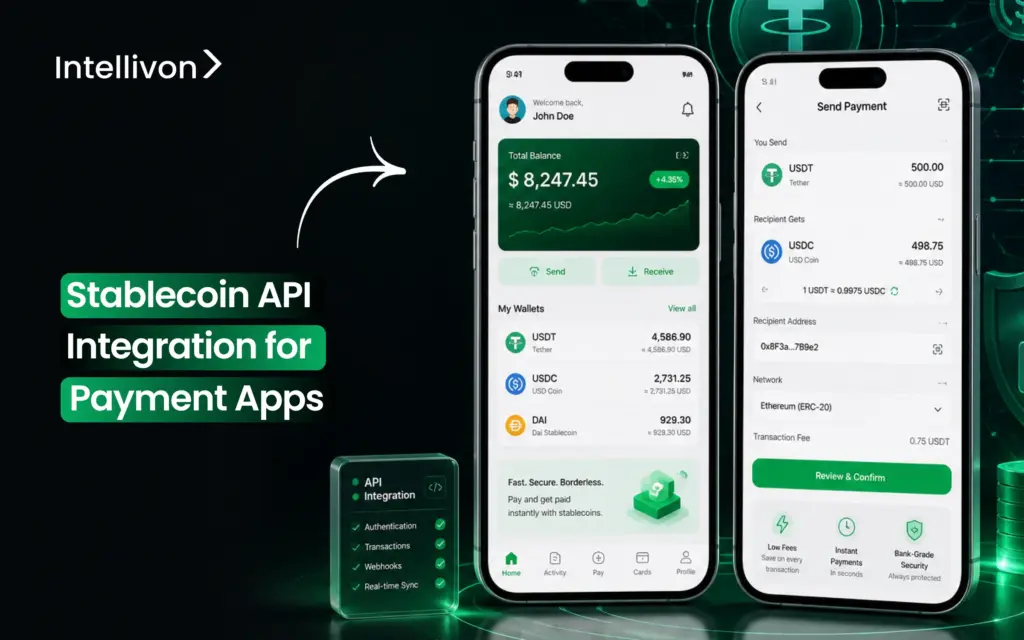
Key Takeaways: Production stablecoin API integration requires orchestration, double-entry ledger, custody, fiat ramps, and compliance checks. REST APIs, webhooks, SDKs, wallets, ledgers, and on/off-ramps form
Stablecoin Wallet Development for Enterprises
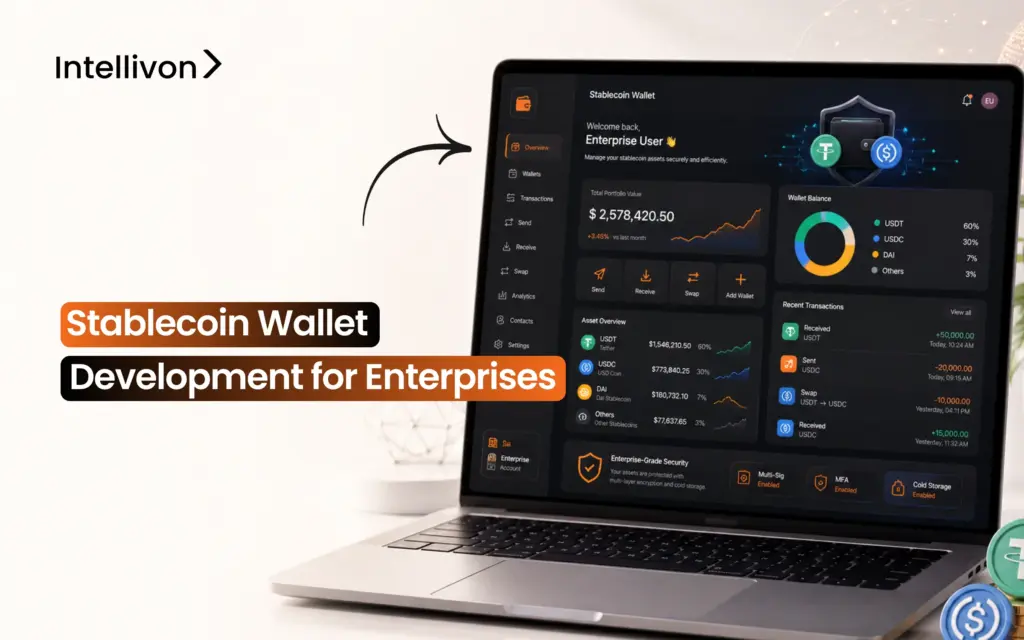
Key Takeaways: Enterprise stablecoin wallets are governed platforms requiring custody, signing, transaction policies, and compliance screening. MPC, HSM, multisig, or hybrid key management should match