
Stablecoin Settlement Infrastructure for B2B Payments
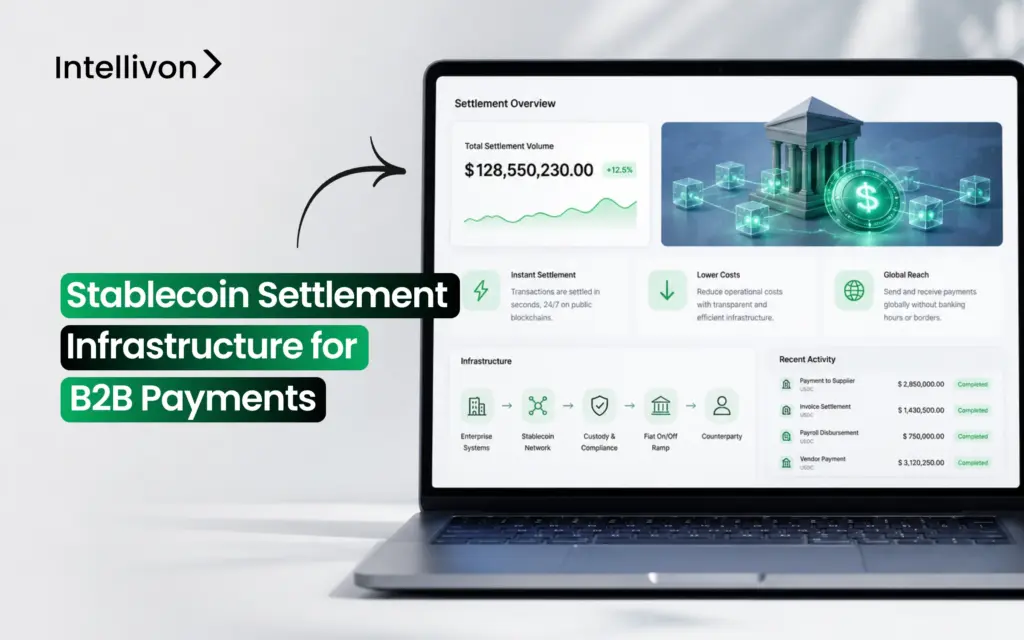
Key Takeaways: Stablecoin rails replace the slowest settlement legs of ACH, SWIFT, wire, and card flows, and not entire networks. Regulated on-ramps, MPC wallets, USDC
How to Build a Stablecoin Treasury Management Platform
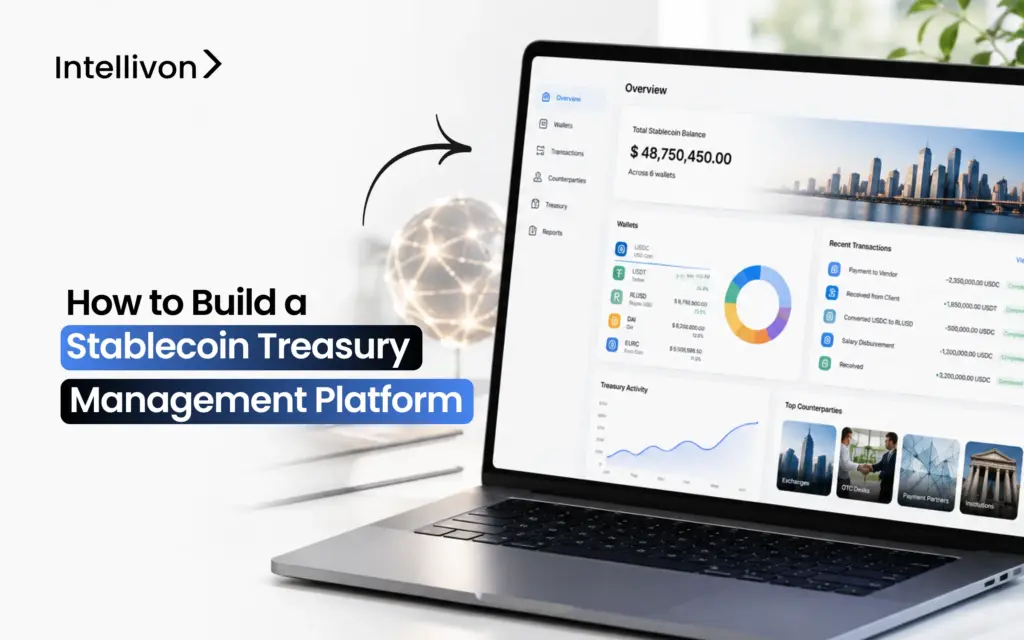
Key Takeaways: Stablecoin treasury platforms provide real-time cash visibility, automated payments, multi-wallet liquidity control, and FX management. MPC or HSM custody, double-entry ledgering, KYC/AML, sanctions
Stablecoin vs SWIFT: Which Payment Rail Should Businesses Choose?
Key Takeaways: Stablecoins fit 24/7 programmable high-frequency payments where licensed on-ramps, off-ramps, and local liquidity exist. SWIFT remains stronger for bank-native counterparties, restricted jurisdictions, complex
How Fintechs Are Replacing Traditional Payment Rails With Stablecoins
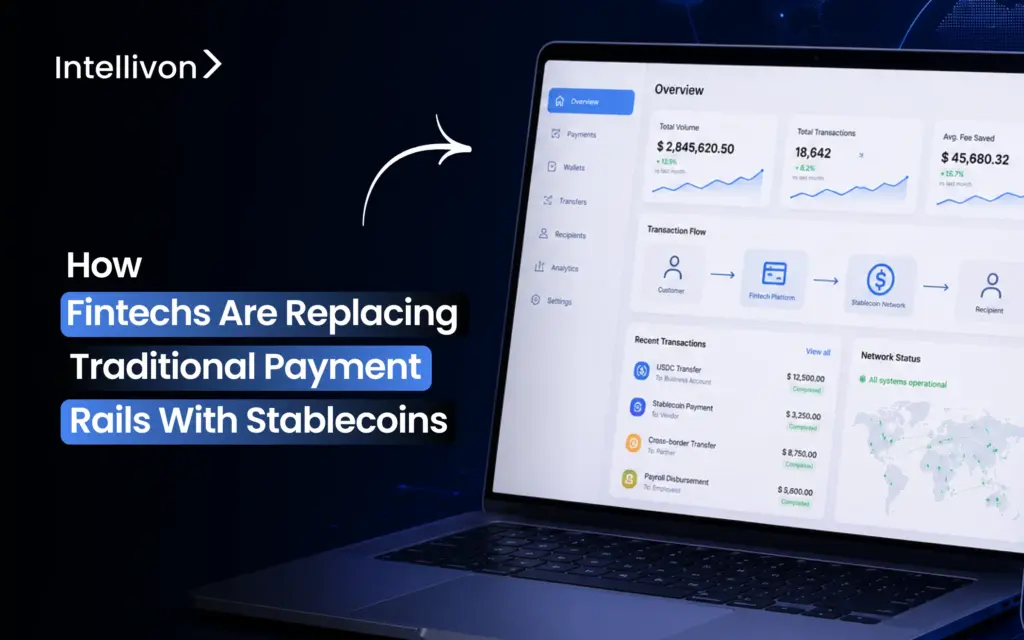
Key Takeaways: Stablecoin rails replace the slowest settlement legs of ACH, SWIFT, wire, and card flows. Regulated on-ramps, MPC wallets, USDC or EURC, FX orchestration,
Stablecoin Infrastructure for Cross-Border Payments: Complete Guide
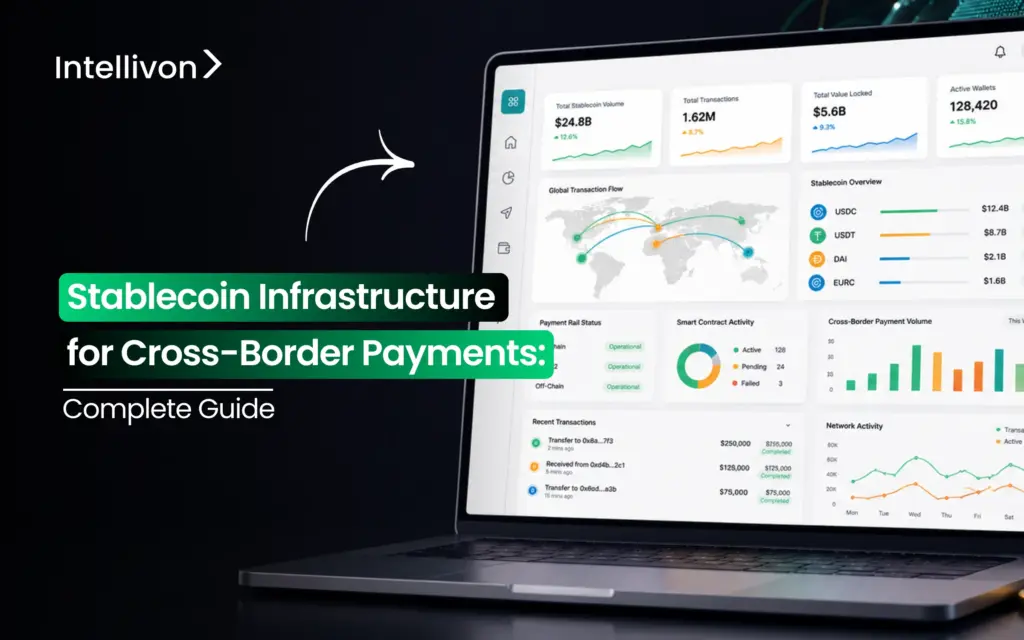
Key Takeaways: Stablecoin cross-border infrastructure converts fiat, routes value across blockchain networks, and pays recipients in local currency. MPC/HSM custody, payment orchestration, on/off-ramps, FX, ISO
Building Cross-Border Payment Platforms Using Stablecoins
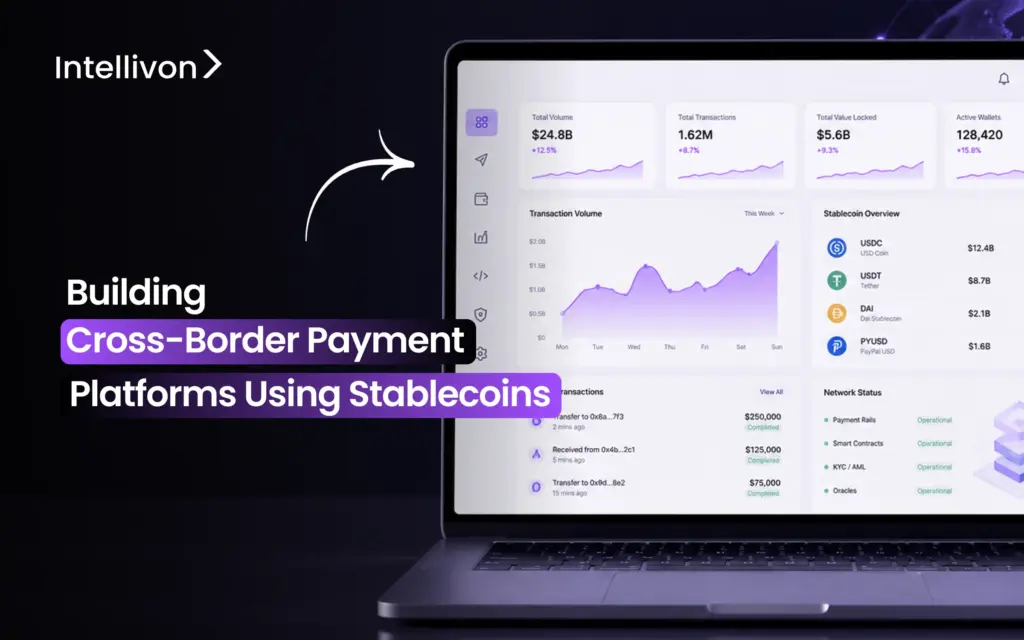
Key Takeaways: Cross-border payment platforms start with high-volume corridors connecting fiat on-ramps, stablecoins, and local off-ramps. MPC or HSM key management, KYC/KYB, sanctions screening, Travel
How to Build a Stablecoin Payment Platform for Global Businesses

Key Takeaways: Stablecoin payment platforms start with one business corridor, a regulated stablecoin, and a double-entry ledger. KYC/KYB, AML, Travel Rule, MPC custody, fiat on/off-ramps,
AI Risk Assessment Tools for Healthcare Enterprises
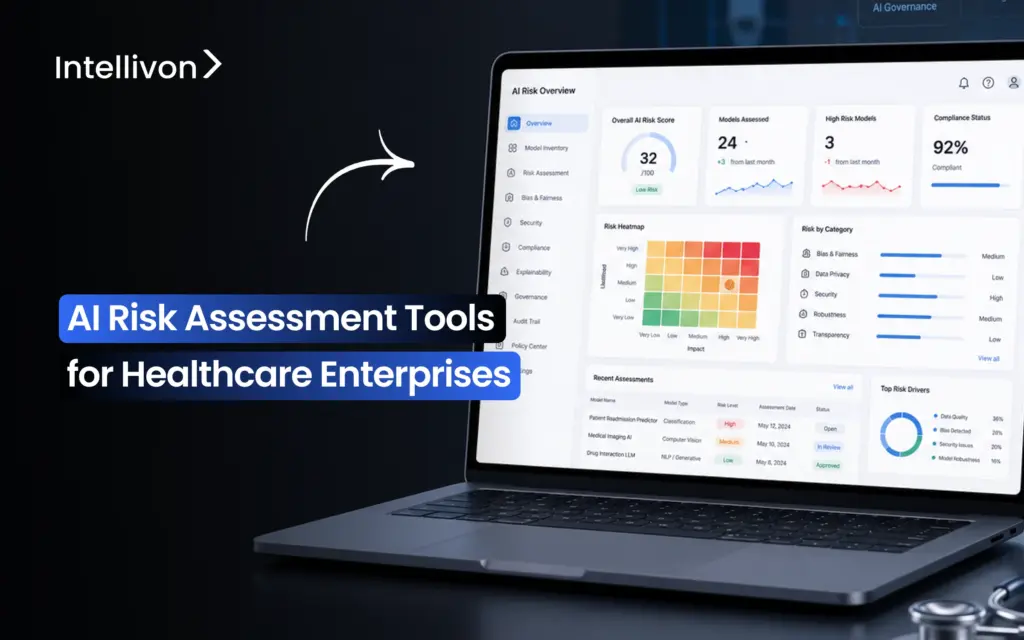
Key Takeaways: Clinical decision support platforms deliver AI-assisted recommendations across diagnosis, treatment, risk scoring, and care pathways. EHR and workflow integrations, local clinical validation, and
How Enterprises Prepare for AI Regulation in 2026
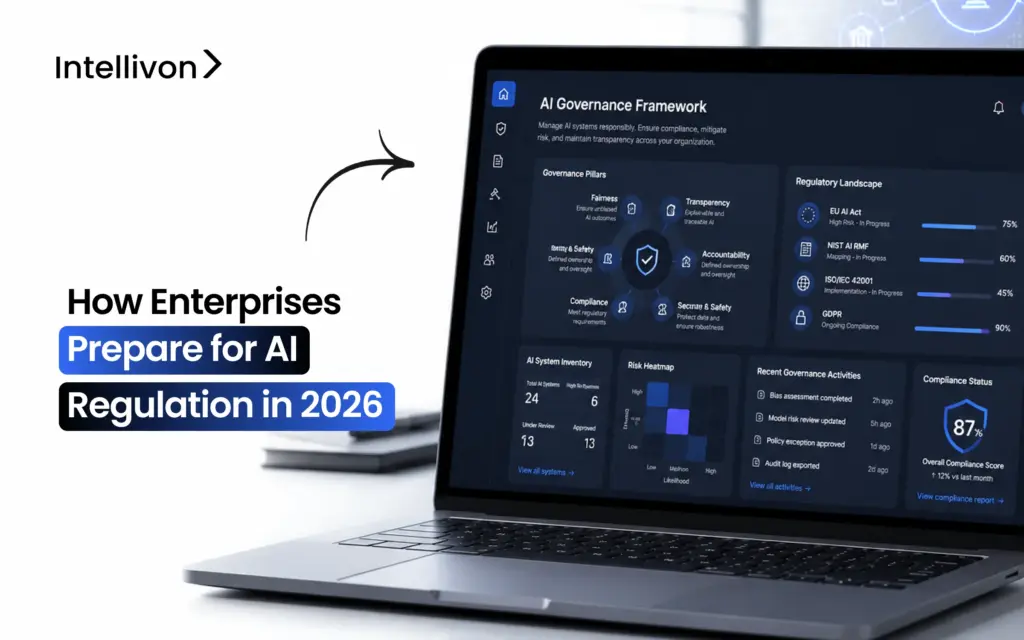
Key Takeaways: Enterprise AI regulatory compliance starts with AI discovery, inventory, and jurisdiction-level risk classification. One unified control framework covering documentation, lineage, logs, testing, and
AI Governance Platform Features Enterprises Need
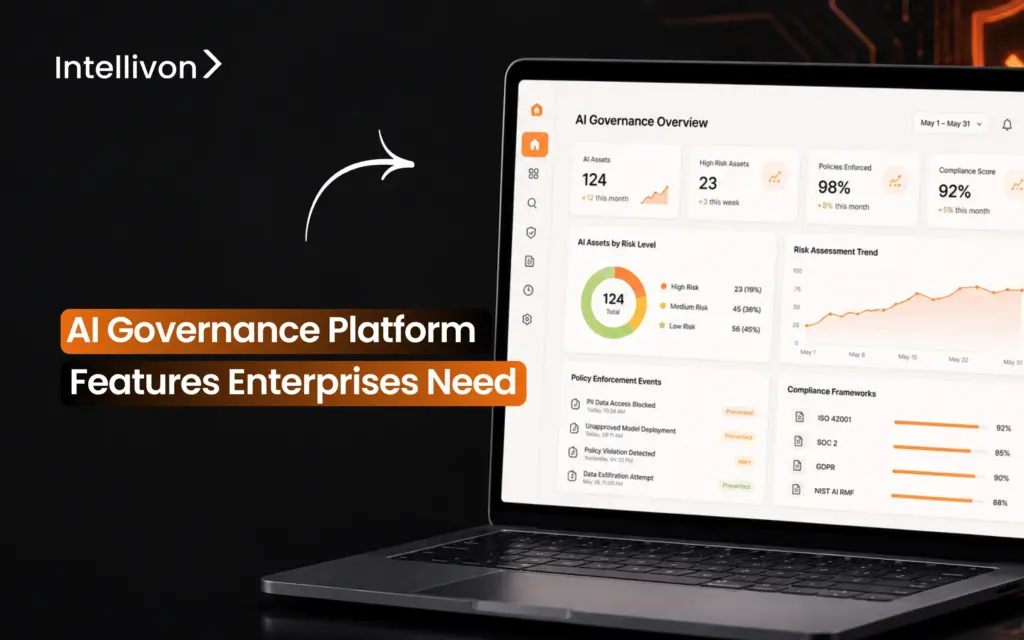
Key Takeaways: Enterprise AI governance platforms must inventory systems, assign risk tiers, automate approvals, and monitor drift and bias. LLMs, RAG pipelines, agents, third-party models,