
AI Compliance Software Development Cost Guide 2026
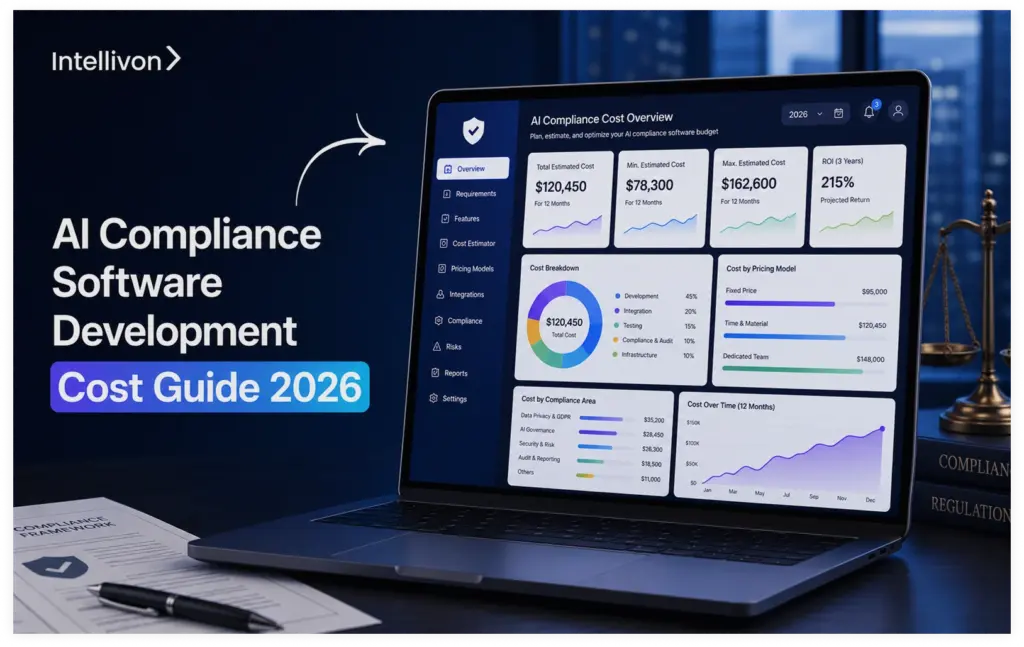
Key Takeaways: AI compliance software covers inventory, risk intake, policy mapping, approval workflows, and audit evidence collection. Production platforms add bias testing, explainability, model monitoring,
How to Build an AI Governance Platform for Enterprises
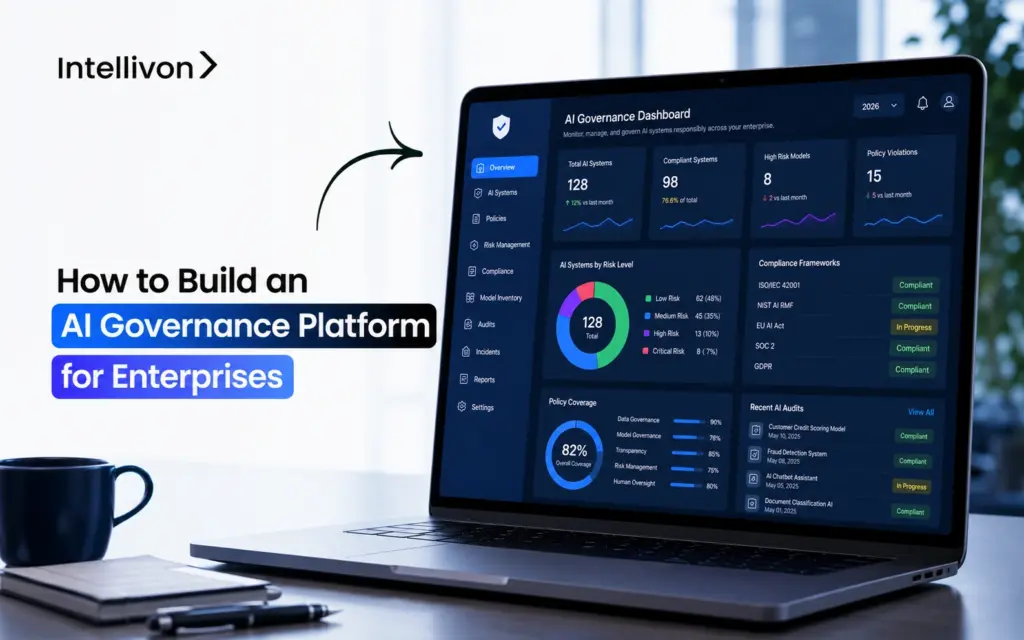
Key Takeaways: AI governance platforms require centralized AI inventory, risk classification, model evaluation, and policy enforcement capabilities. Runtime monitoring, lineage tracking, evidence collection, and regulatory
Top Companies Building Agentic Lending Platforms
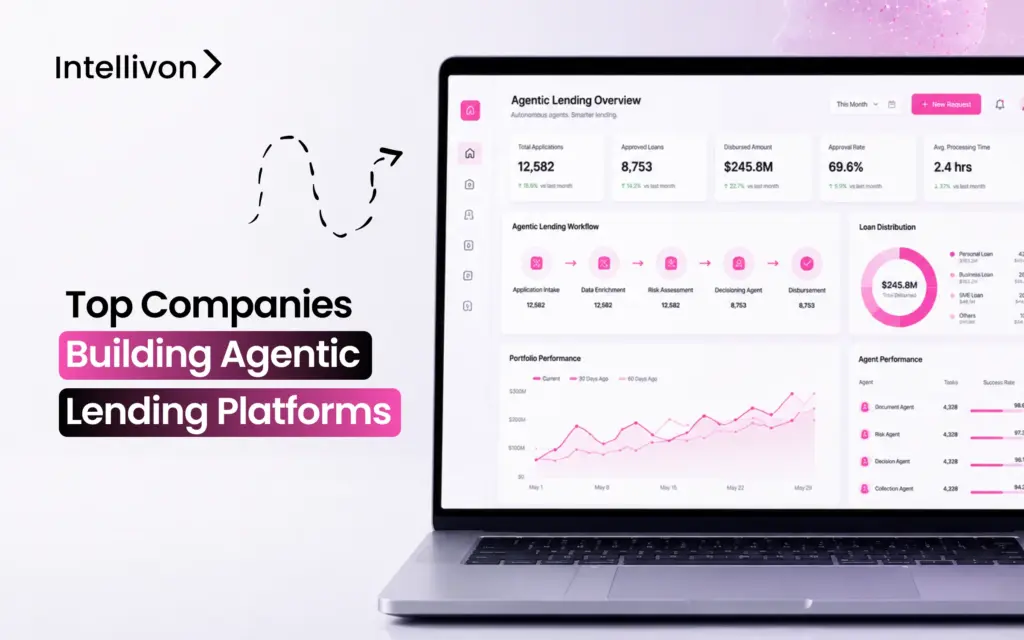
Key Takeaways: Agentic lending platforms fall into custom builders, bank control planes, orchestration overlays, and specialist platforms. Autonomy boundaries, decision-model explainability, LOS integrations, and fair-lending
How to Develop Insurance Claims Automation Agents
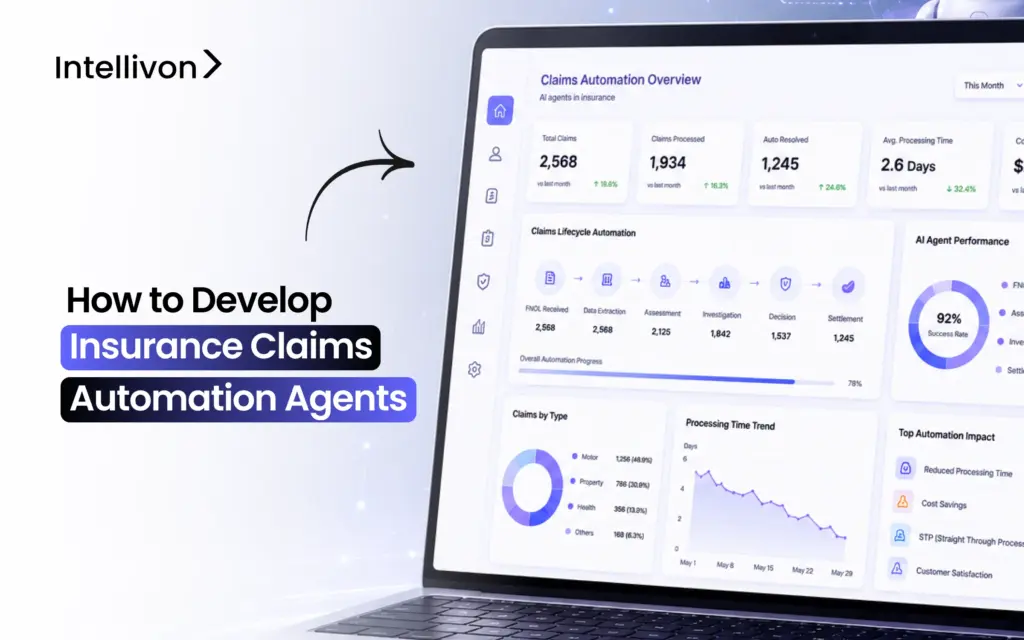
Key Takeaways: Insurance claims automation agents require a multi-agent architecture combining rules, LLMs, document AI, and predictive ML. Graph analytics and computer vision support fraud
How to Develop Multi-Agent Orchestration for Finance
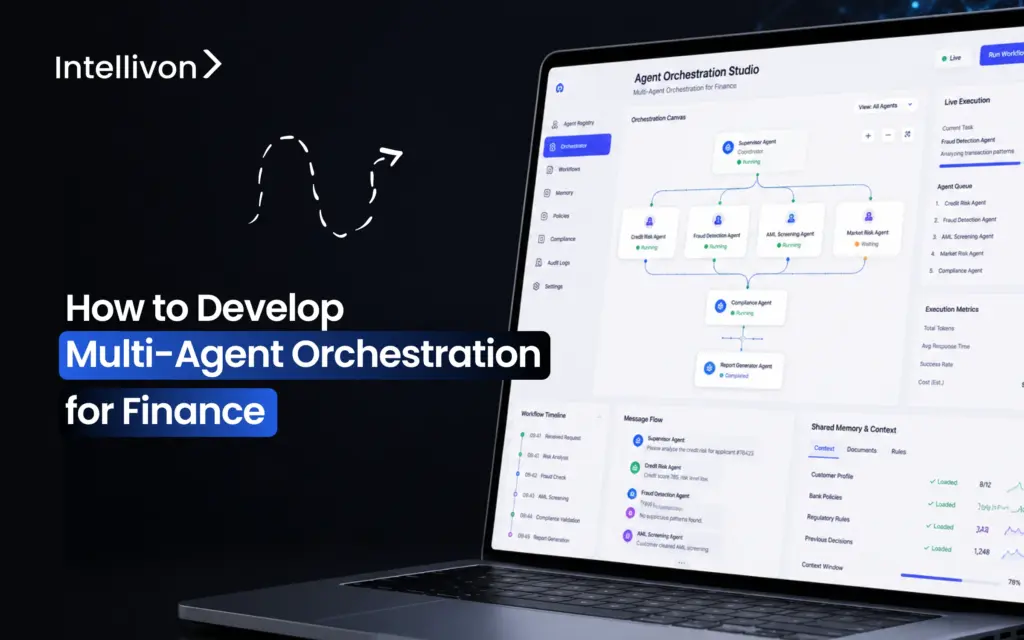
Key Takeaways: Multi-agent finance platforms need one orchestration layer controlling specialized agents, models, tools, and workflow state. Planner, supervisor, worker, critic, policy, and execution roles
How to Make Compliant Agentic Agents for Collections
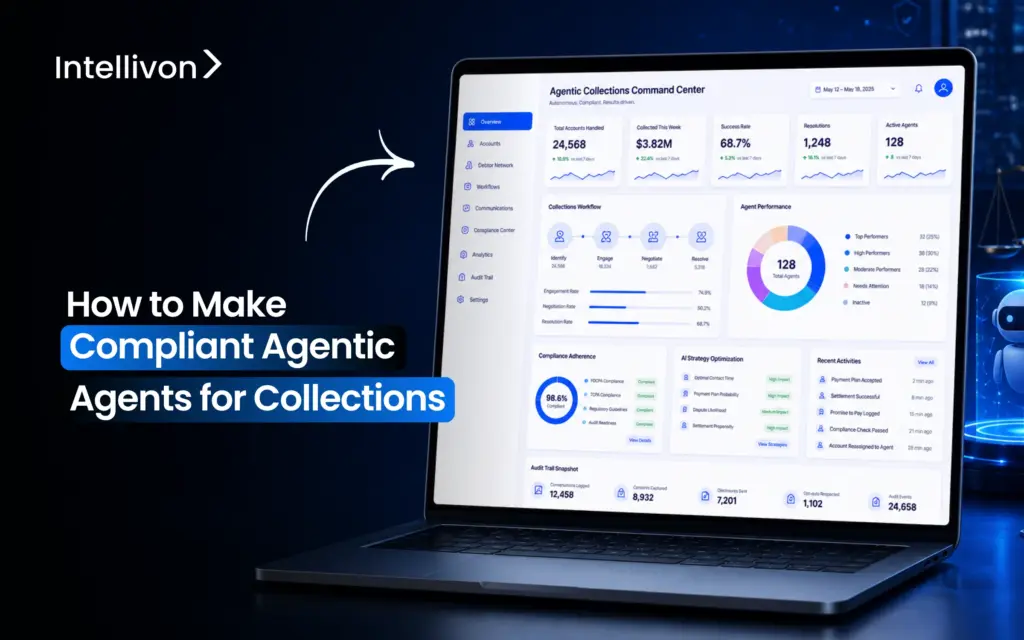
Key Takeaways: Compliant agentic collections require deterministic rules to approve every contact attempt and account action. Compliance engine, orchestration layer, RAG knowledge base, predictive models,
Top Platforms for Building Agentic Decision Systems
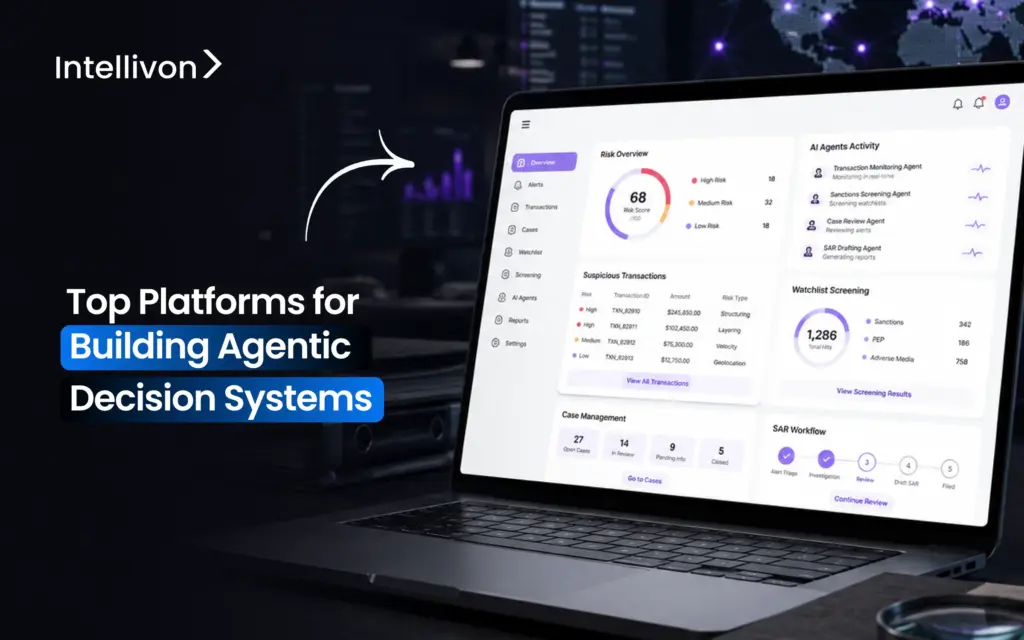
Key Takeaways: Agentic decision platforms coordinate AI models, business rules, data, tools, human approvals, and audit evidence together. Leading options include custom partners, code-first frameworks
How to Make Custom Agentic Agents for Regional Banks
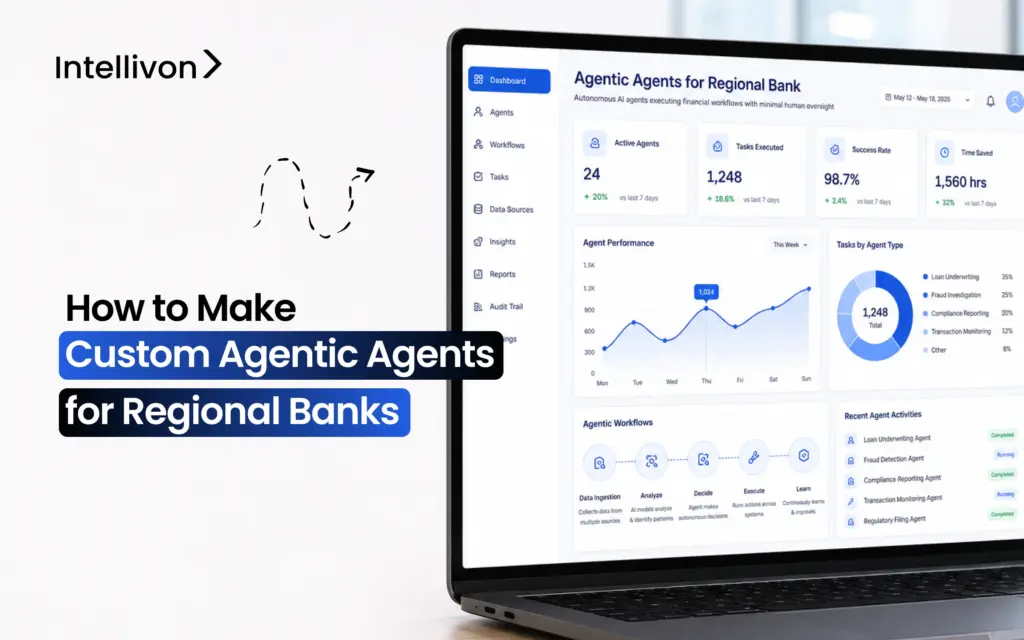
Key Takeaways: Custom AI banking agents should start with one bounded workflow, and not a general-purpose autonomous banking system. 7 layers, including model routing, RAG
How to Develop Explainable AI for Credit Underwriting
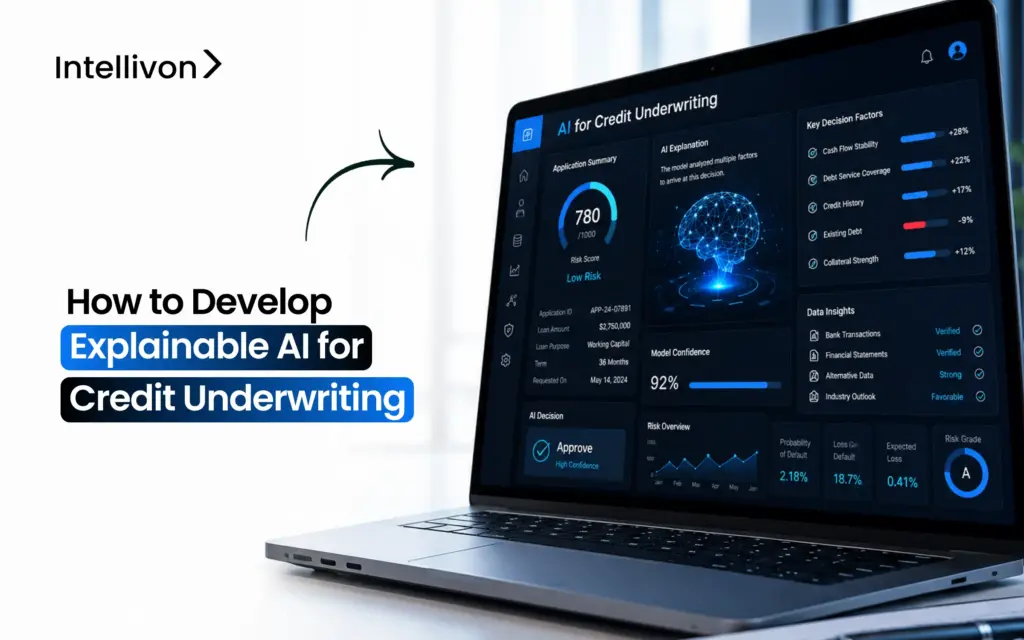
Key Takeaways: Explainable AI underwriting requires a defined credit decision target, governed data, and an interpretable baseline model. SHAP or counterfactual methods support explanation, but
Top Companies Building Agentic Fraud Detection Systems
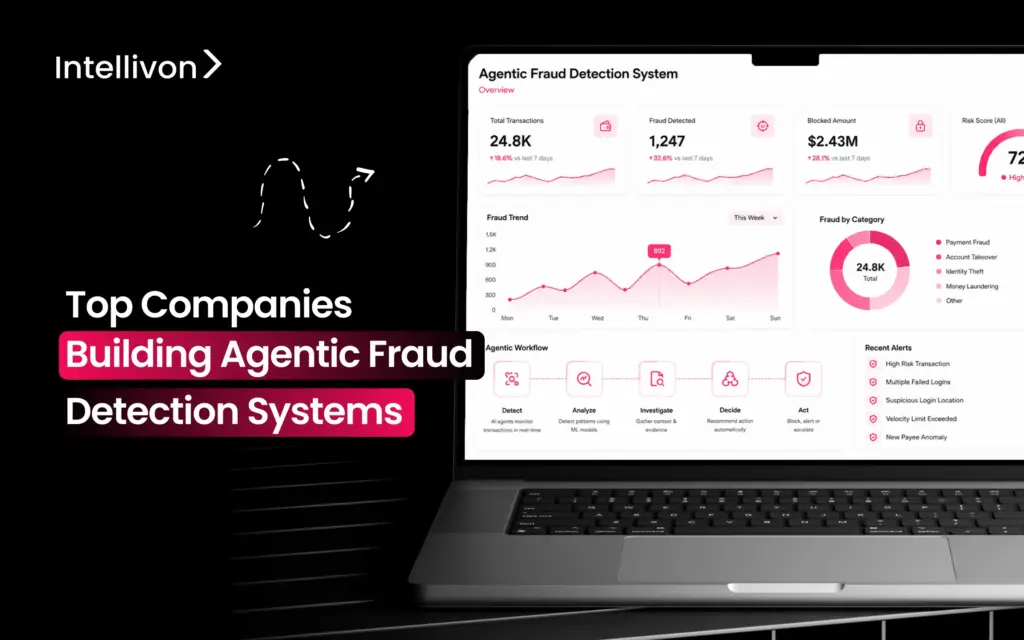
Key Takeaways: Agentic fraud platforms combine real-time transaction scoring, behavioral analytics, graph intelligence, and AI case orchestration. Governed actions, including step-up verification, holds, escalation, and