
How Much To Build A Real-Time Healthcare Analytics Platform?
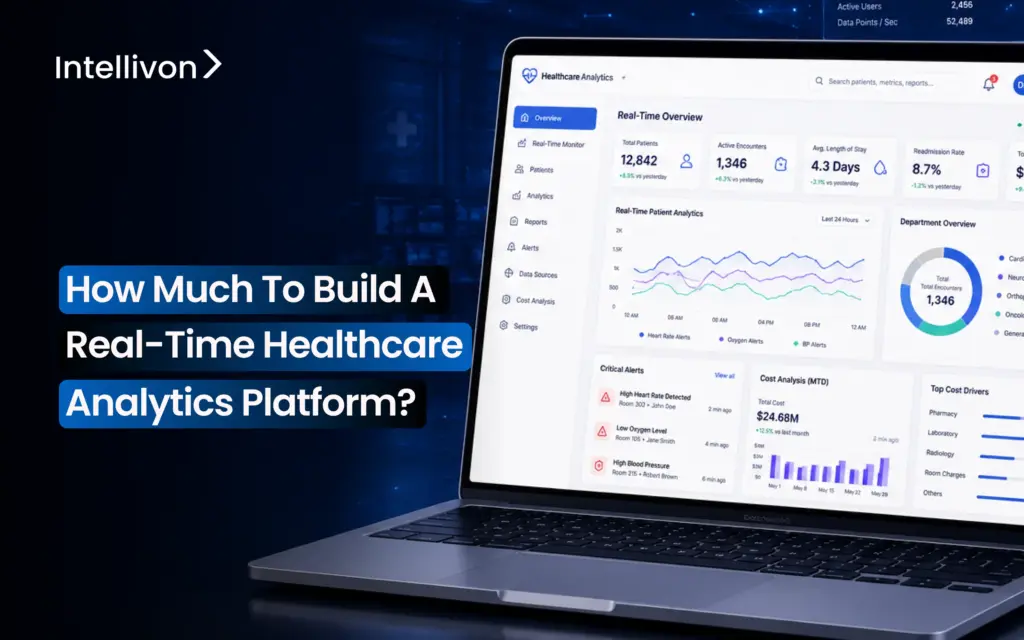
Key Takeaways: Real-time healthcare analytics platforms range from basic dashboards to AI-powered risk scoring systems. HL7 v2 feeds, FHIR R4 APIs, ADT streaming, and device
Cost To Implement a HIPAA-Compliant Enterprise AI Platform
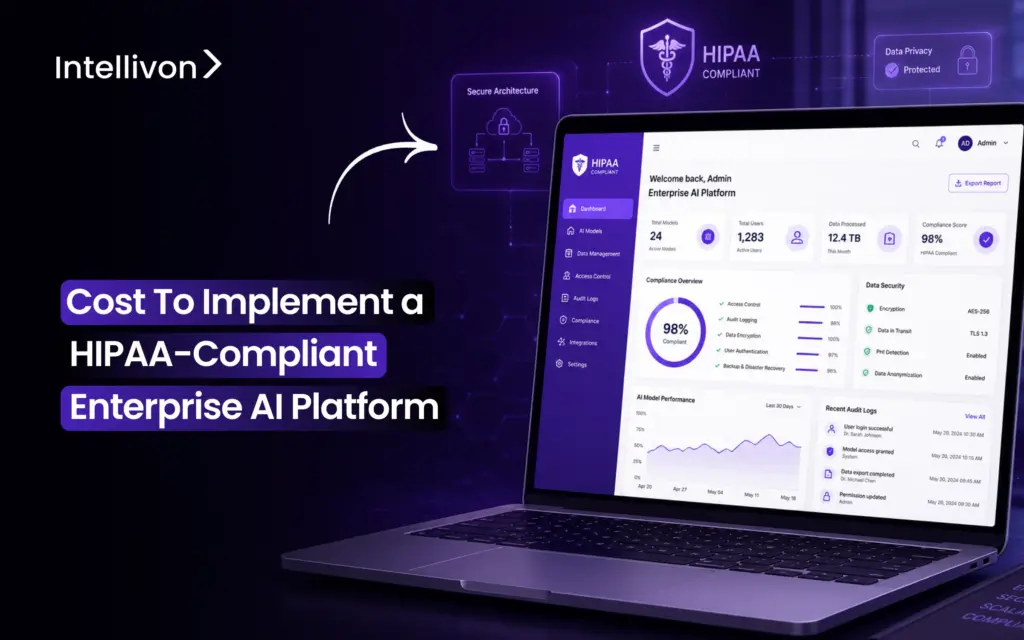
Key Takeaways: HIPAA-compliant AI platforms require PHI discovery, risk analysis, and secure cloud or private model hosting. PHI tokenization, role-based access control, encryption, and audit
What Core Features Are Needed for Clinical Workflow Automation
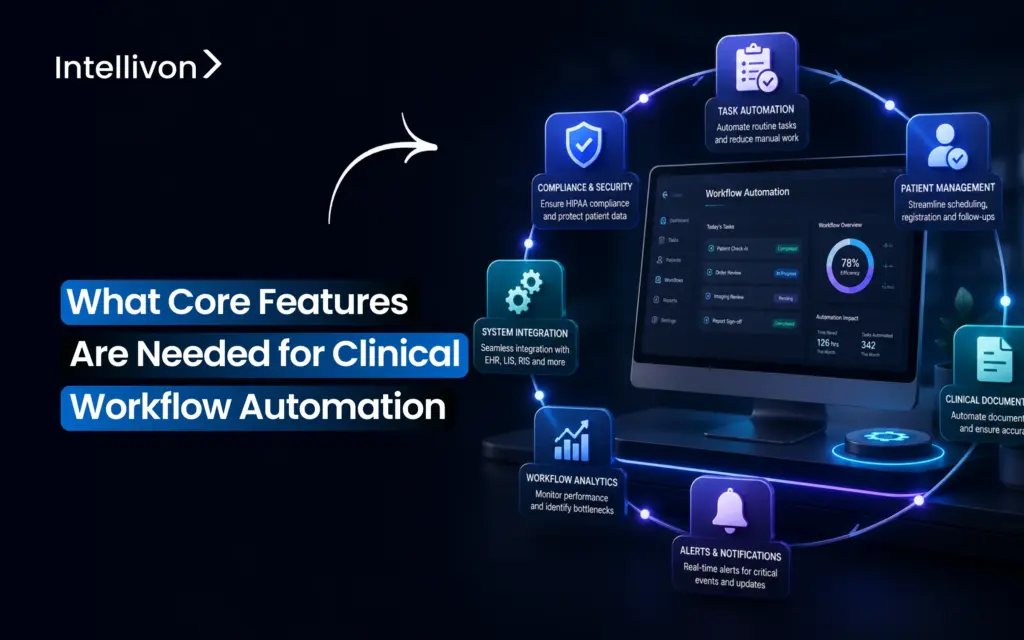
Key Takeaways: Clinical workflow automation needs EHR integration, task orchestration, role-based routing, and care pathway automation. Alert escalation, clinical documentation integration, AI summary support, and
Development Cost for Legacy System Modernization Platform
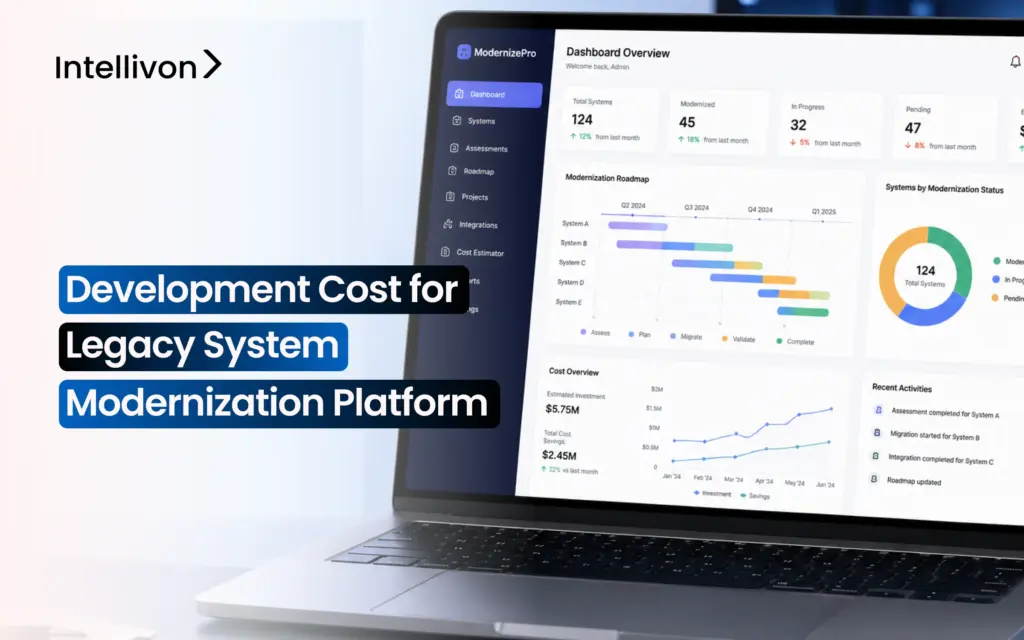
Key Takeaways: Legacy system modernization targets one core workflow, database, or integration layer at a time. Focused MVPs cover initial modernization scope while production builds
What Key Features Enable Value-Based Care Model Transitions
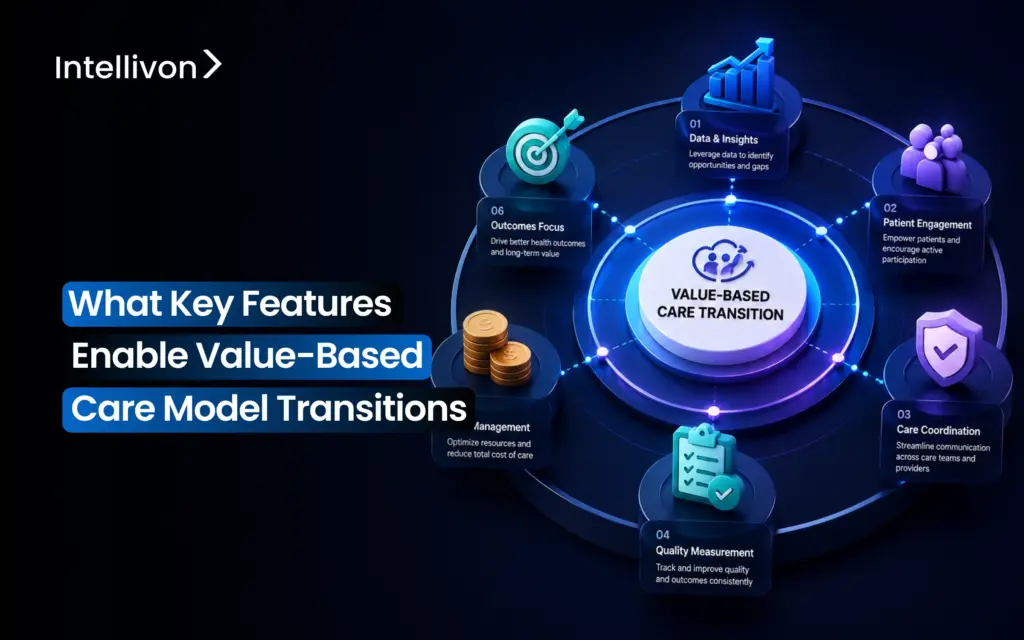
Key Takeaways: Value-based care platforms unify EHR, claims, pharmacy, lab, SDOH, RPM, and payer data into one layer. Patient attribution, predictive risk scoring, care gap
Cost To Consolidate Imaging Across Hospital Specialties

Key Takeaways: Enterprise imaging platforms consolidate PACS, DICOM ingestion, VNA logic, and EHR image access across specialties. Focused MVPs cover one or two PACS connections,
Development Cost For An Enterprise Population Health Platform
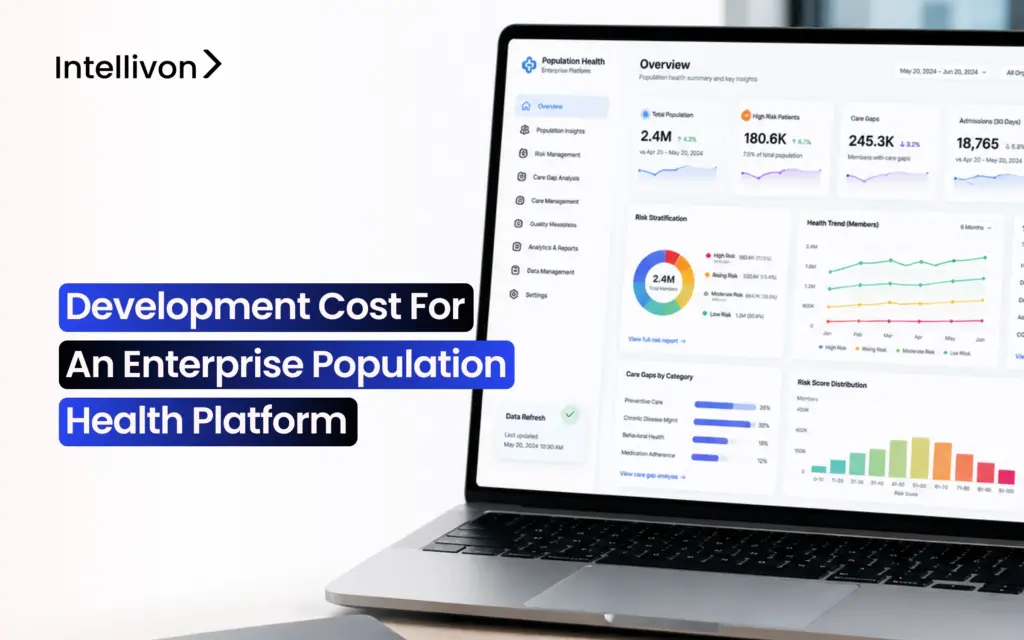
Key Takeaways: Population health platforms require clinical data ingestion, cohort dashboards, care gap tracking, and outreach automation. EHR integration, claims data, patient matching, risk stratification,
What Features Are Required For Connecting 100+ Payer Networks?
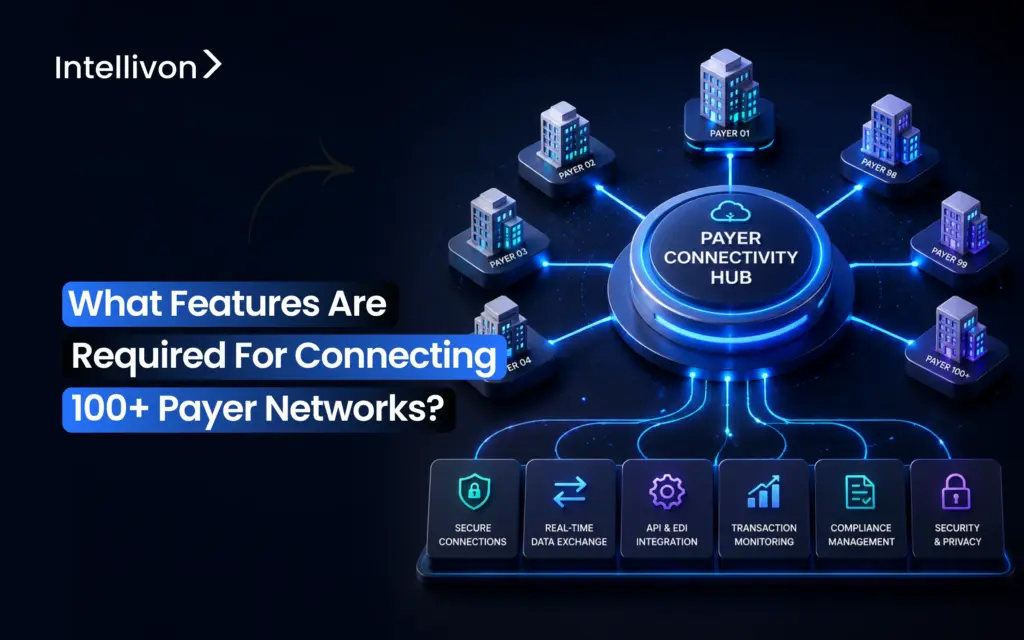
Key Takeaways: Payer network platforms need directory management, eligibility verification, EDI 270/271, 278, 837, and 835 support. FHIR payer API readiness, enrollment automation, payer rules
Development Cost For Enterprise AI Governance Framework
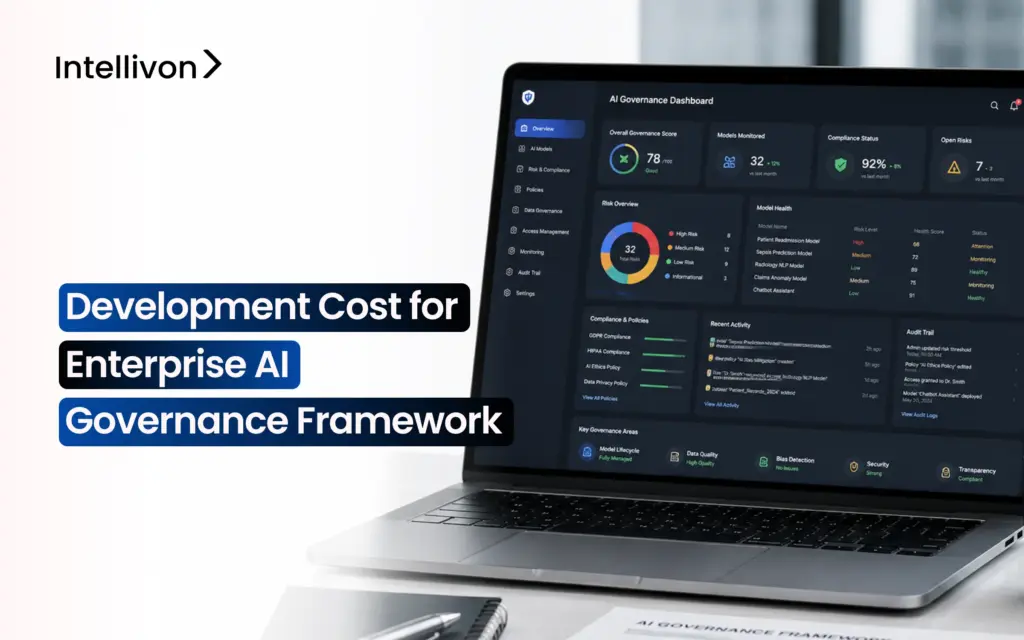
Key Takeaways: AI governance platforms require model inventory, risk intake, approval workflows, bias auditing, and explainability controls. EU AI Act mapping, NIST AI RMF controls,
What Features Best Support Clinician Retention Strategies?
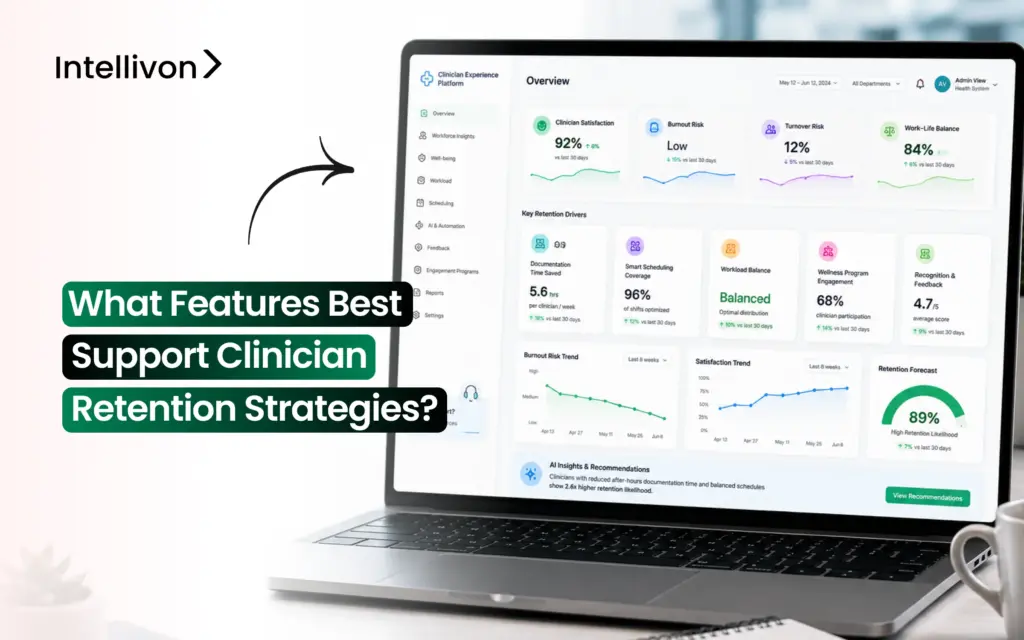
Key Takeaways: Clinician retention platforms must reduce scheduling friction, documentation burden, inbox overload, and unsafe workloads. Self-scheduling, workload balancing, ambient AI documentation, and predictive burnout