
Best Mental Health App Trends and Innovations in 2026
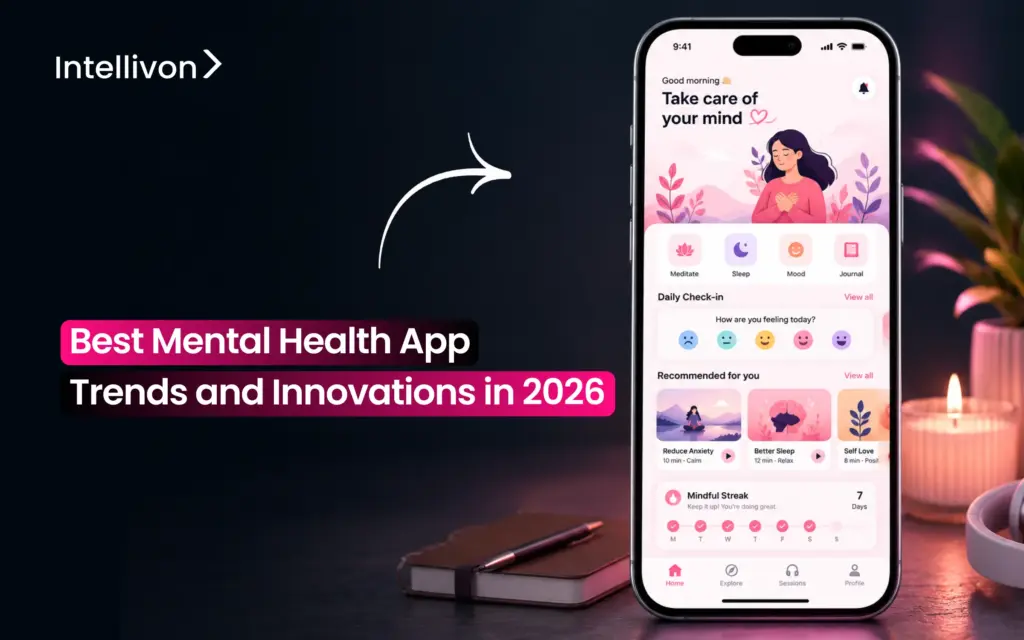
Key Takeaways: Mental health apps have outgrown meditation and mood tracking and have moved to developing products which enhance the ways in which patients are
Epic SlicerDicer: How Healthcare Teams Use Data for Analysis
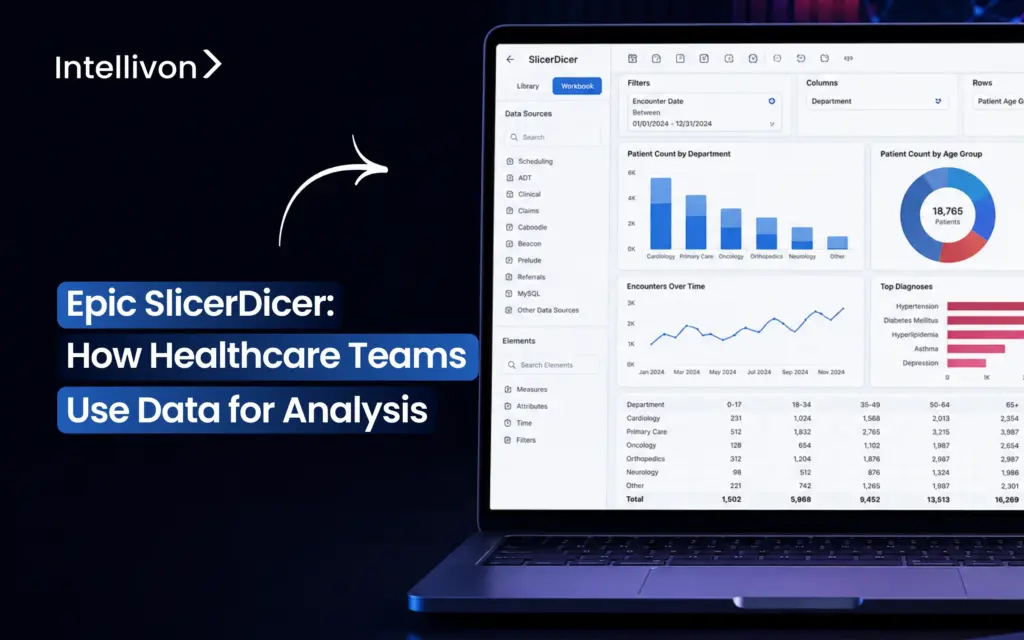
Key Takeaways Epic SlicerDicer (an application inside the Epic EHR system) lets healthcare teams ask for already existing data in Epic without requesting a fresh
EPIC Beaker Explained: Features, Workflows & Healthcare Use Cases
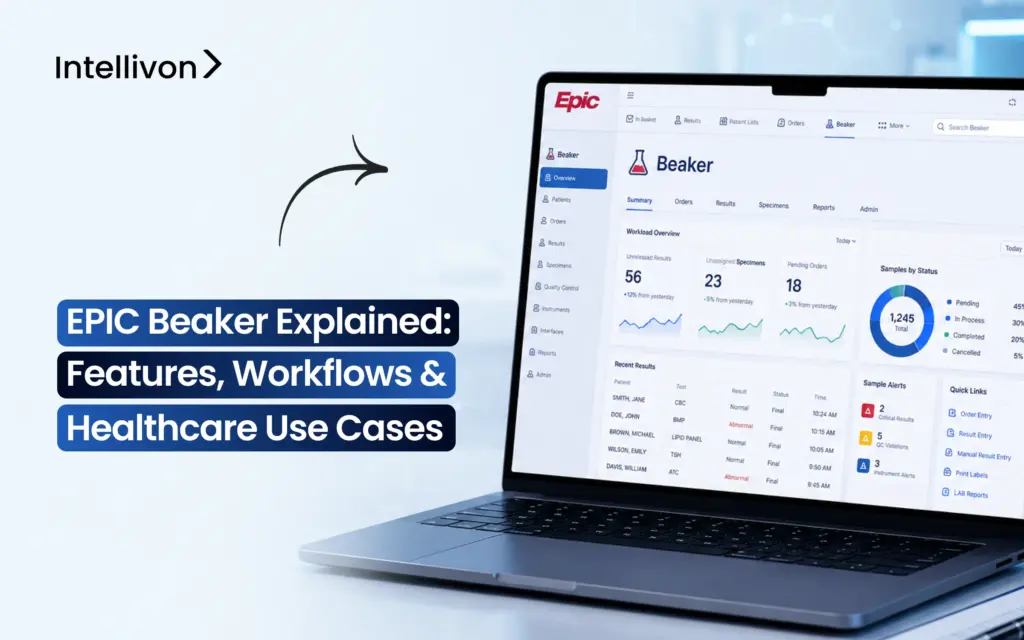
Key Takeaways: Epic Beaker handles the everyday flow of lab work. Within its operations, a test is ordered, after which a sample is collected. Then
How Epic Cadence Supports Automated Patient Access Workflows
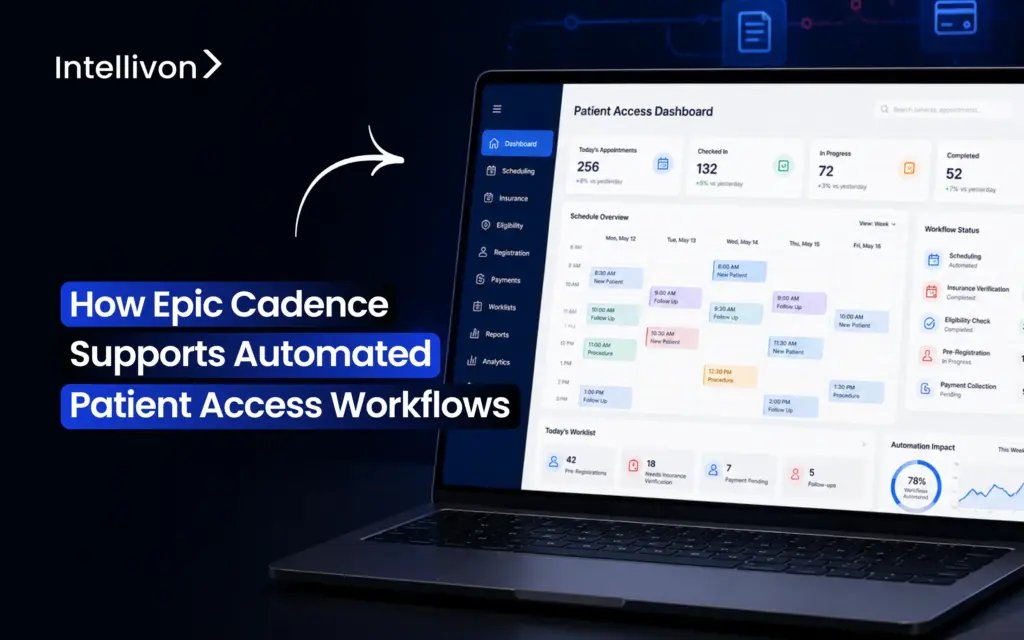
Key Takeaways: Epic Cadence provides management for the scheduling aspects of patient access. It assists the healthcare team in managing providers’ schedules, appointments, available slots,
EPIC ClinDoc Explained: Features, Workflows & Clinical Use Cases
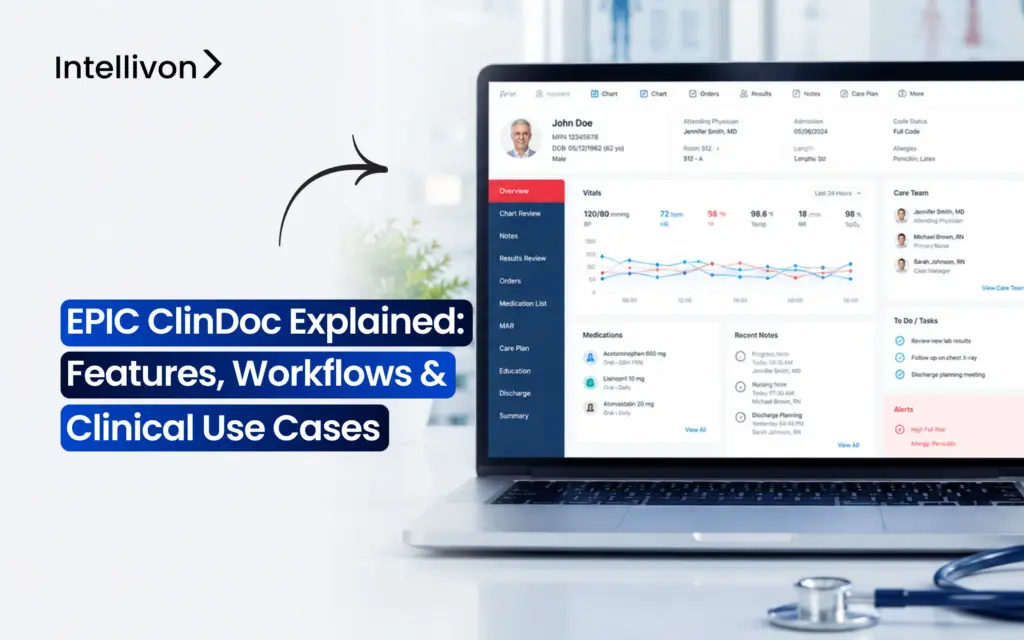
Key Takeaways: Epic ClinDoc connects assessments, flowsheets, notes, care plans, orders, MAR data, handoffs, results, and discharge workflows in one system. SmartTools, flowsheets, Rover, and
Clinical Decision Support Systems: Examples, Features & Use Cases
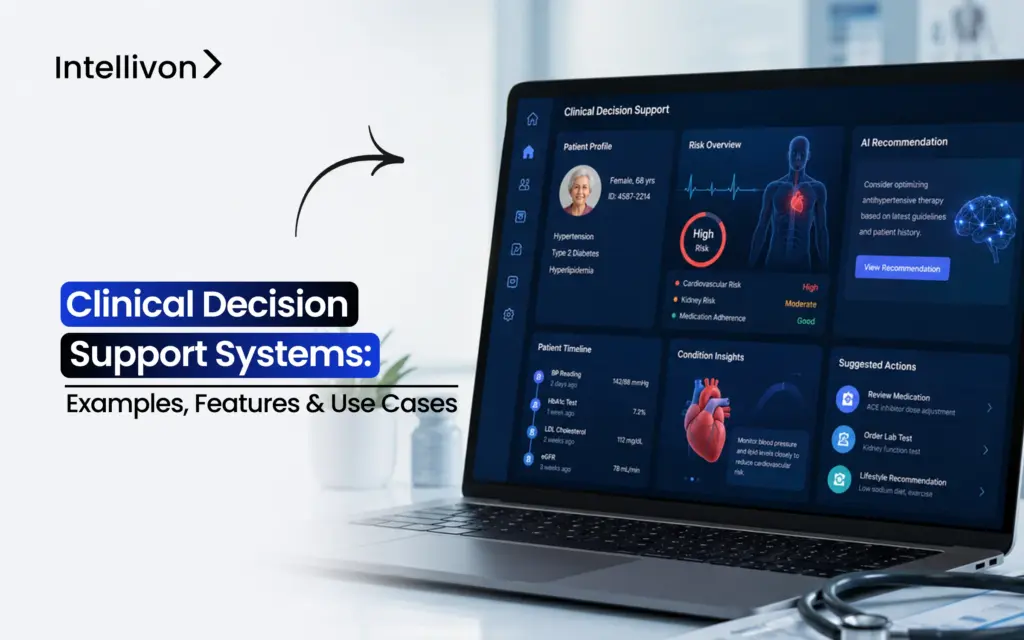
Key Takeaways: Clinical decision support systems deliver medication safety alerts, sepsis detection, VTE prevention, deterioration scoring, and care-gap reminders. Rules-based CDS applies fixed logic while
Telemedicine App Development: Features, Architecture & Integration
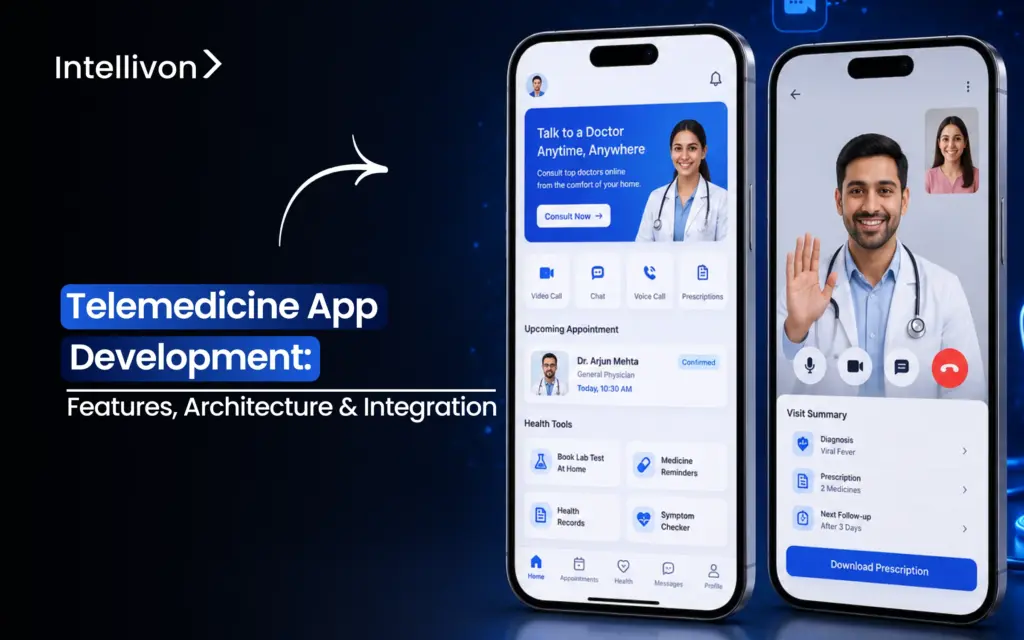
Key Takeaways: Telemedicine app development covers discovery, patient and provider applications, video infrastructure, EHR APIs, compliance, and post-launch support. Core architecture requires API-first services, a
How AI Transcription Data Can Improve Healthcare Analytics
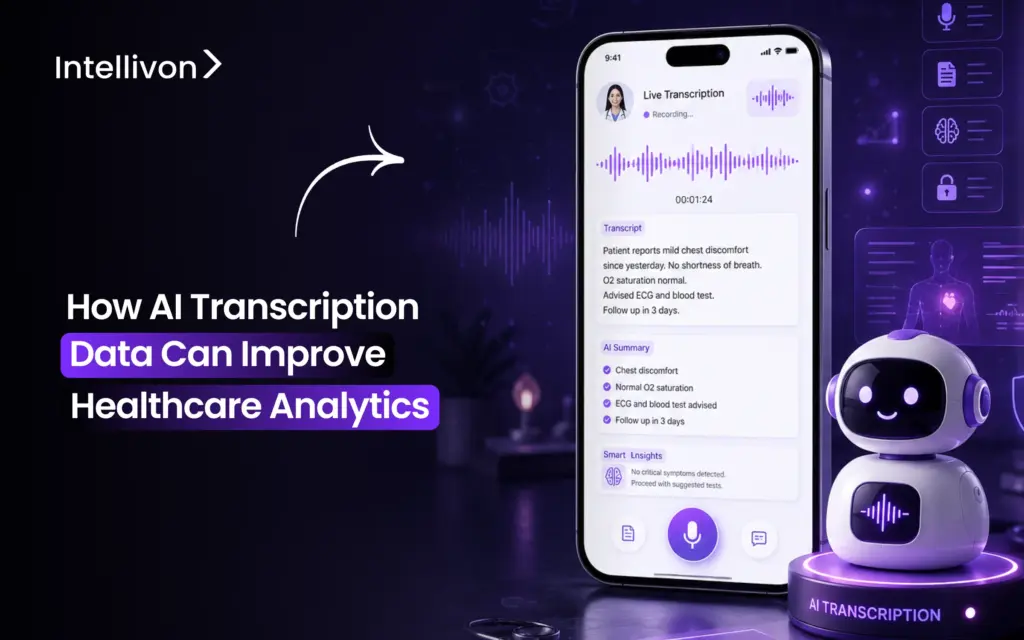
Key Takeaways: AI transcription data becomes analytically useful only after speaker separation, clinical entity extraction, and terminology normalization are complete. NLP extracts clinical entities mapped
EPIC Beaker HL7 Integration: How Healthcare Data Exchange Works
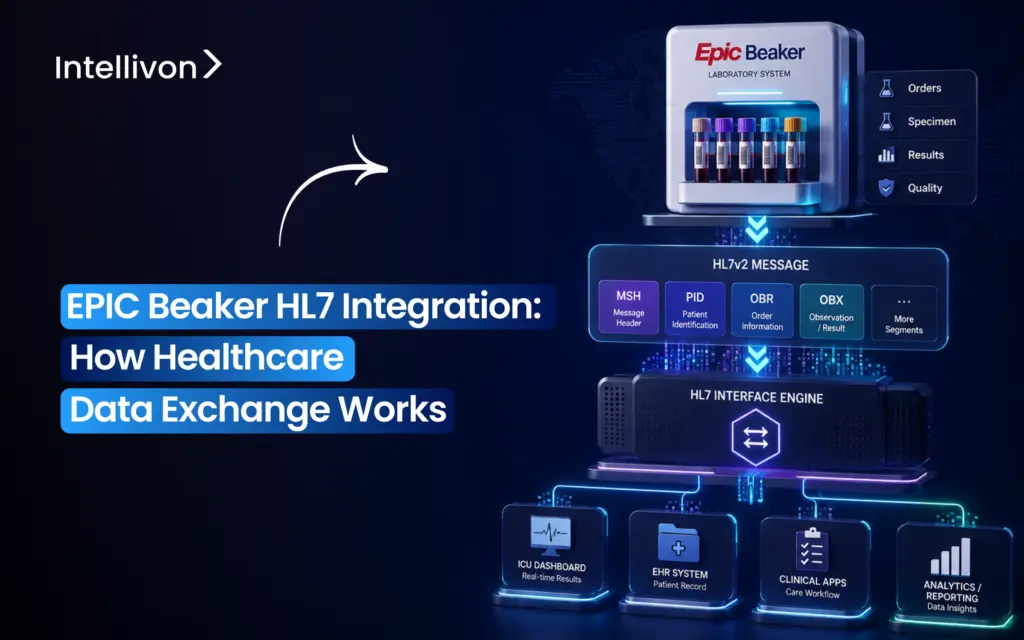
Key Takeaways: Epic Beaker exchanges laboratory data through defined HL7 v2 interfaces, handling orders to instruments and returning results inbound. Epic Bridges sits on the
Cerner PathNet Data Integration for ICU Dashboards
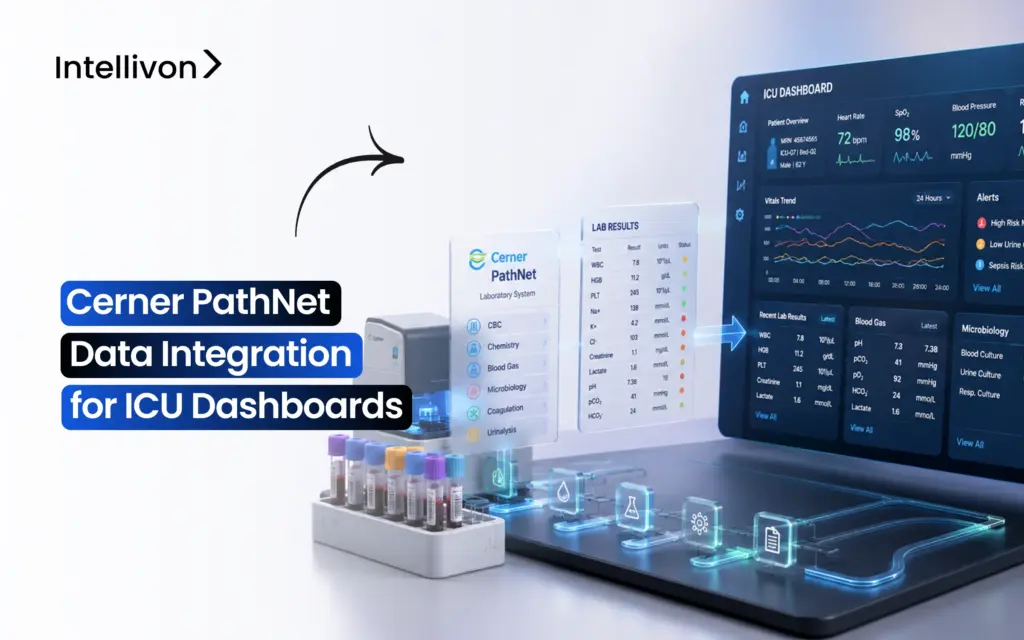
Key Takeaways: Cerner PathNet is Oracle Health’s laboratory information system providing lab results, microbiology, and pathology data for ICU dashboards. PathNet data integrates through FHIR