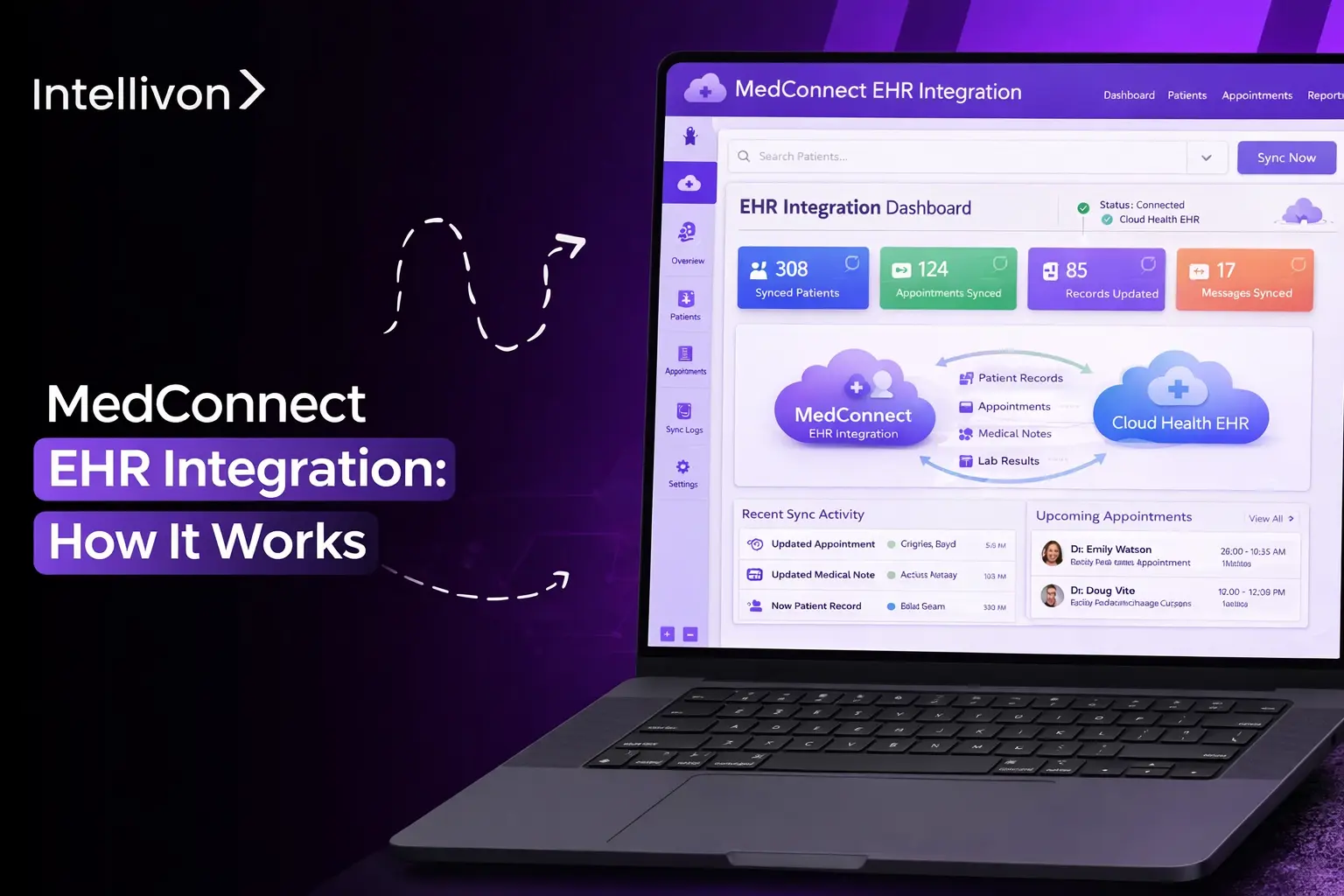
The promise of MedConnect EHR for hospitals is substantial. However, that promise falls apart when disconnected systems come into play. In this instance, a cardiologist might end up reviewing an incomplete patient history. At the same time, wearable data may misfire into the wrong risk profile, and some lab results show up in formats that do not match and map to the wrong record entirely. Within these likely scenarios, it is not MedConnect’s fault, but rather an anomaly with the way the integration process took place.
Broken EHR integration connections create operational problems, and they also distort what is happening clinically within the enterprise. As a direct result of this, care providers end up making decisions based on incomplete, outdated, or incorrectly assigned data. What fixes this is a structured, standards-compliant integration layer that ensures every system, every device, and every data source speaks the same language before it reaches the EHR.
Intellivon has built and deployed MedConnect EHR integrations in complex, multi-system healthcare settings. After getting their EHR integrated by us, they can now work with accurate, real-time, unified data. Their operations have become more efficient, and their errors have significantly decreased. In this blog, we explain how MedConnect EHR integration works, what it requires to get it right, and how we build such integrations from the ground up.
Why MedConnect Fails Without Proper Integration
MedConnect-style platforms can deliver strong value on paper. However, they struggle to scale or generate real revenue when they lack deep integration with EHRs, billing systems, pharmacies, and medical devices.
The global electronic medical records (EMR) market is projected to reach USD 49.62 billion by 2032. At the same time, over 60% of hospitals plan to adopt next-generation, interoperable EMR platforms.
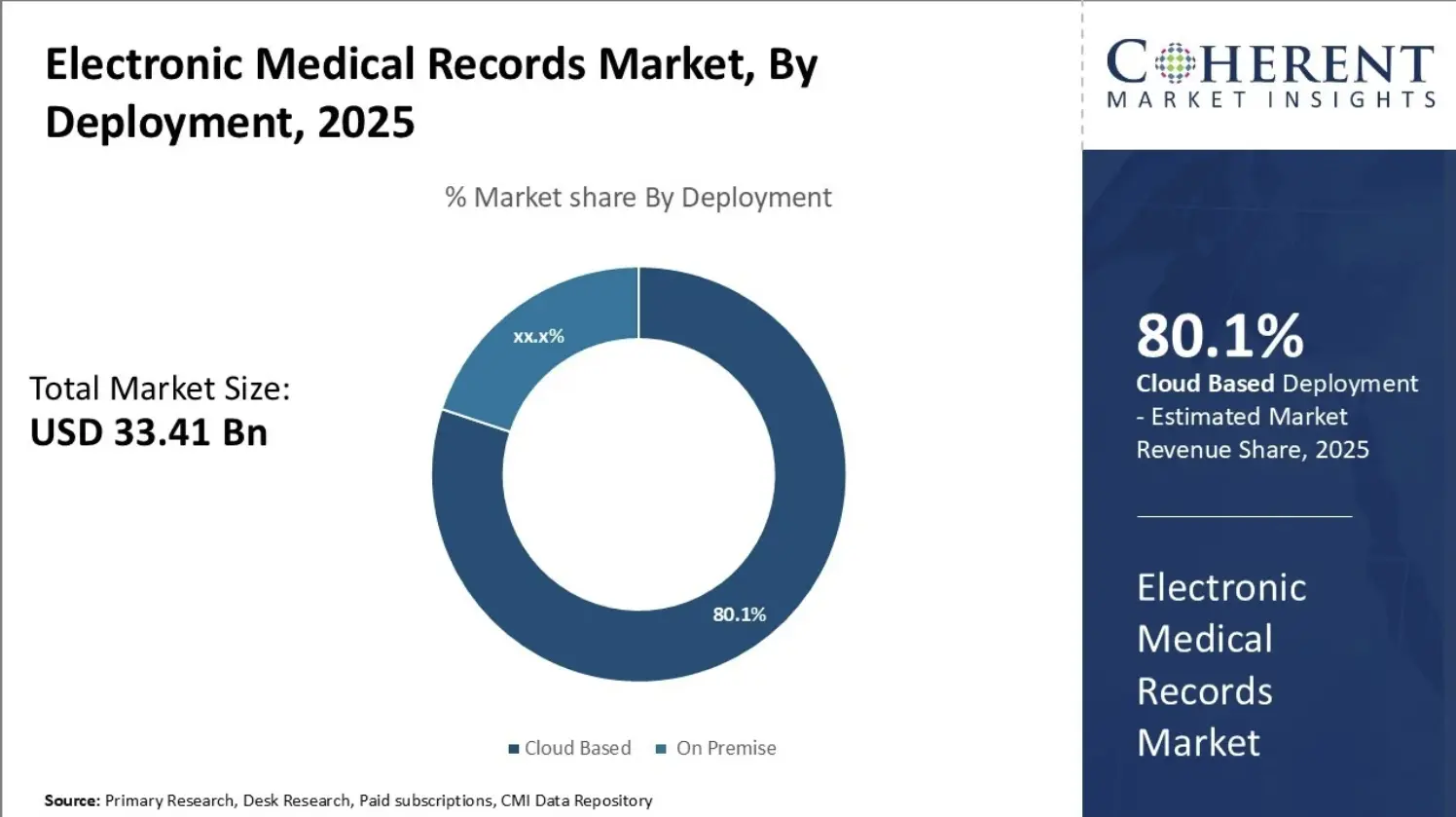
Deploying a powerful EHR like MedConnect is a significant capital investment, yet its true value remains locked if the platform operates in isolation.
Without a cohesive integration strategy, the system becomes a digital filing cabinet rather than a dynamic engine for clinical and operational excellence.
1. Data silos blocking real-time care decisions
Information trapped within a single module prevents a holistic view of patient health. When lab results, imaging, and specialist notes do not flow instantly into the MedConnect core, clinicians must hunt for data.
This delay forces providers to make critical care decisions based on incomplete or outdated information. Real-time care requires a fluid data environment where every data point is accessible at the point of care.
2. Disconnected systems across departments
Large enterprises often struggle with “departmental drift,” where pharmacy, radiology, and billing use disparate tools. When these systems do not communicate with MedConnect, the organization suffers from massive data friction.
A lack of synchronization leads to duplicate testing and conflicting medication orders. Integrating these touchpoints ensures that a change in one department reflects across the entire enterprise ecosystem immediately.
3. Manual workflows increase admin costs
Fragmented systems rely on human intervention to bridge the gaps. Staff members often find themselves manually transcribing data from one screen to another or scanning paper reports into digital records.
These manual workarounds are expensive and prone to human error. Automation through deep integration eliminates these redundant tasks, allowing your workforce to focus on high-value patient interactions instead of data entry.
4. Compliance risks from fragmented data
Regulatory bodies demand strict data integrity and a clear audit trail. When patient information is scattered across unlinked platforms, maintaining HIPAA or GDPR compliance becomes a logistical nightmare.
Fragmented data increases the likelihood of unauthorized access or lost records during transitions of care. A unified integration layer provides a single source of truth, making reporting and security audits straightforward and defensible.
5. Limited visibility into patient journeys
Business leaders need data to track the effectiveness of care delivery from admission to discharge. Without integrated tracking, the patient journey appears as a series of disconnected events rather than a continuous experience.
This lack of visibility makes it impossible to identify bottlenecks in service or areas for cost optimization. Integration provides the longitudinal data necessary to refine the patient experience and improve long-term outcomes.
The failure to integrate MedConnect creates a ceiling on your organization’s growth and patient safety. Transitioning from a fragmented setup to a connected enterprise is the only way to realize the full ROI of your healthcare technology.
Why Basic EHR Integrations Break at Scale
Many organizations initially opt for “plug-and-play” connectors, assuming these simple links will suffice as they grow. However, these basic solutions often crumble under the weight of enterprise-level data volume and complex operational demands.
Scaling a healthcare enterprise requires a foundation that handles thousands of concurrent transactions without latency or data corruption.
1. Static interfaces vs real-time data exchange
Basic integrations often rely on scheduled batch processing rather than instantaneous updates. While this might work for a small clinic, an enterprise environment demands real-time data flow for critical tasks like bed management or emergency department triaging.
Static interfaces create “data lag,” where a clinician might see a patient’s status from two hours ago rather than two seconds ago. Moving to a real-time exchange model is essential for modern, responsive healthcare delivery.
2. Vendor lock-in limits system flexibility
Proprietary, closed-loop integrations often tie your organization to a specific ecosystem, making it difficult to adopt newer, better, specialized tools. When your core integration is rigid, you lose the ability to pivot or integrate third-party AI diagnostics and niche patient monitoring systems.
This lack of flexibility forces you to wait for the primary vendor’s roadmap rather than innovating at your own pace. Breaking free from vendor lock-in allows for a “best-of-breed” technology strategy.
3. Scaling issues across multi-hospital systems
An integration that works for a single facility rarely translates seamlessly to a multi-hospital network with diverse legacy systems. As you add more nodes to your network, the complexity of data mapping and identity management grows exponentially.
Basic connectors lack the sophisticated routing logic needed to handle different facility codes, regional regulations, and varied clinical workflows. A robust enterprise architecture is necessary to maintain a unified patient record across multiple locations.
4. High maintenance and upgrade complexity
Fragile, custom-coded integrations require constant manual intervention whenever a system update occurs. Every time MedConnect or a secondary application releases a patch, these “brittle” links risk breaking, leading to unexpected downtime.
For a large enterprise, the cost of maintaining dozens of these individual connections is unsustainable. A scalable model uses standardized protocols and middleware to insulate the integration layer from routine software changes.
5. Lack of orchestration across systems
Integration is more than just moving data from point A to point B; it is about managing the sequence of events across an entire workflow. Basic setups lack an orchestration layer that can trigger follow-up actions, such as automatically notifying billing after a physician signs a procedure note.
Without this intelligence, the system remains a collection of parts rather than a cohesive machine. Orchestration ensures that data movement serves a specific business purpose and drives efficient outcomes.
Scaling a healthcare platform requires moving beyond simple connectivity toward a resilient, intelligent architecture. By addressing these structural weaknesses early, you ensure your technology stack supports growth rather than hindering it.
MedConnect vs Traditional EHR Integration
Traditional EHR integration was built for a different era. It focused on connecting a few systems using fixed interfaces. That approach worked when data moved slowly, and systems rarely changed.
However, modern healthcare operates in real time. Data flows continuously across EHRs, devices, billing systems, and patient apps. In this environment, static integrations start to break. They cannot scale, adapt, or support evolving workflows.
MedConnect-style integration takes a different approach. It creates a flexible, API-driven layer that connects systems dynamically. As a result, healthcare organizations gain real-time visibility, faster workflows, and better control over their data.
The difference directly impacts scalability, cost, and long-term system performance.
Comparison: MedConnect vs Traditional Integration
| Aspect | Traditional EHR Integration | MedConnect Integration |
| Data Flow | Batch-based or delayed data exchange | Real-time, event-driven data flow |
| System Design | Static, tightly coupled interfaces | API-first, loosely coupled architecture |
| Scalability | Difficult to scale across systems | Designed for multi-system scalability |
| Flexibility | Hard to add or modify integrations | Easily extendable with new systems |
| Maintenance | High effort for updates and fixes | Modular updates with minimal disruption |
| Interoperability | Limited standard adoption | Built on HL7, FHIR, and APIs |
| Cost Over Time | Rising costs due to rework and fixes | Lower long-term cost with reusable layers |
| Future Readiness | Not built for AI or real-time care | Supports AI, automation, and analytics |
Traditional integration connects systems, but it does not unify them. Over time, this creates bottlenecks, higher costs, and limited scalability.
In contrast, MedConnect integration builds a real-time, flexible foundation. It allows healthcare systems to scale, adapt, and evolve without constant rework. As a result, organizations move from managing integrations to operating on a unified platform.
Where MedConnect Fits in EHR Architecture
Understanding the architectural placement of MedConnect is vital for any enterprise aiming to build a resilient health-tech stack. It functions best not as a standalone silo, but as a strategic component within a wider, interconnected digital ecosystem.
Proper positioning ensures that data flows logically between clinical workflows and back-office operations.
1. MedConnect as a clinical data exchange layer
MedConnect serves as the central nervous system for clinical information, facilitating the movement of vitals, orders, and charts. It acts as a specialized layer that standardizes clinical data so that different modules can interpret it consistently.
By providing a common language for patient records, it ensures that a lab result is recognized as such across every connected terminal. This layer is fundamental for maintaining clinical accuracy throughout the enterprise.
2. Role in connecting core healthcare systems
In a complex environment, MedConnect bridges the gap between the electronic chart and peripheral systems like PACS (imaging) or LIS (laboratory). It ensures that when a physician enters an order, the relevant department receives the notification immediately without manual re-entry.
This connectivity reduces the friction between diagnostic departments and the frontline care teams. Consequently, the core EHR becomes the primary dashboard through which all other systems are managed.
3. How it differs from traditional interfaces
Traditional HL7 interfaces often function as simple “one-way streets” that push data into a black hole with little feedback. MedConnect utilizes more modern, bi-directional communication protocols that allow for active querying and data validation.
Unlike legacy point-to-point connections, it supports more granular data access, enabling developers to pull specific data points rather than entire, bloated documents. This precision makes the system faster and more responsive to user queries.
4. What MedConnect can and cannot solve
While MedConnect is excellent at managing structured clinical data and physician workflows, it is not a “magic bullet” for all enterprise problems. It can solve issues related to chart accessibility and clinical documentation accuracy.
However, it cannot fix underlying broken business processes or poor data entry habits. It also lacks the native capability to handle complex financial modeling or deep supply chain logistics without external help.
5. Why is it not a complete integration solution
Relying solely on MedConnect for your entire integration strategy often leads to gaps in non-clinical areas like HR, finance, or advanced AI analytics. It is designed for the clinic, not for the entire corporate enterprise.
To achieve true interoperability, you must wrap the EHR in a broader integration engine or middleware. This approach allows you to connect clinical data with business intelligence tools that MedConnect was never meant to handle.
Recognizing the specific boundaries of your EHR allows you to build a more comprehensive technology strategy. By treating MedConnect as a specialized engine rather than a total solution, you open the door to more sophisticated enterprise-wide innovations.
What Enterprises Build Around MedConnect
Savvy healthcare entrepreneurs recognize that MedConnect is the “anchor tenant” of their digital estate, but the most profitable platforms are those that build a high-performance neighborhood around it.
To move from a basic clinical tool to a dominant market solution, you must wrap the core EHR in layers of connectivity and intelligence. This architectural “moat” is what separates a standard medical practice from a scalable healthcare enterprise.
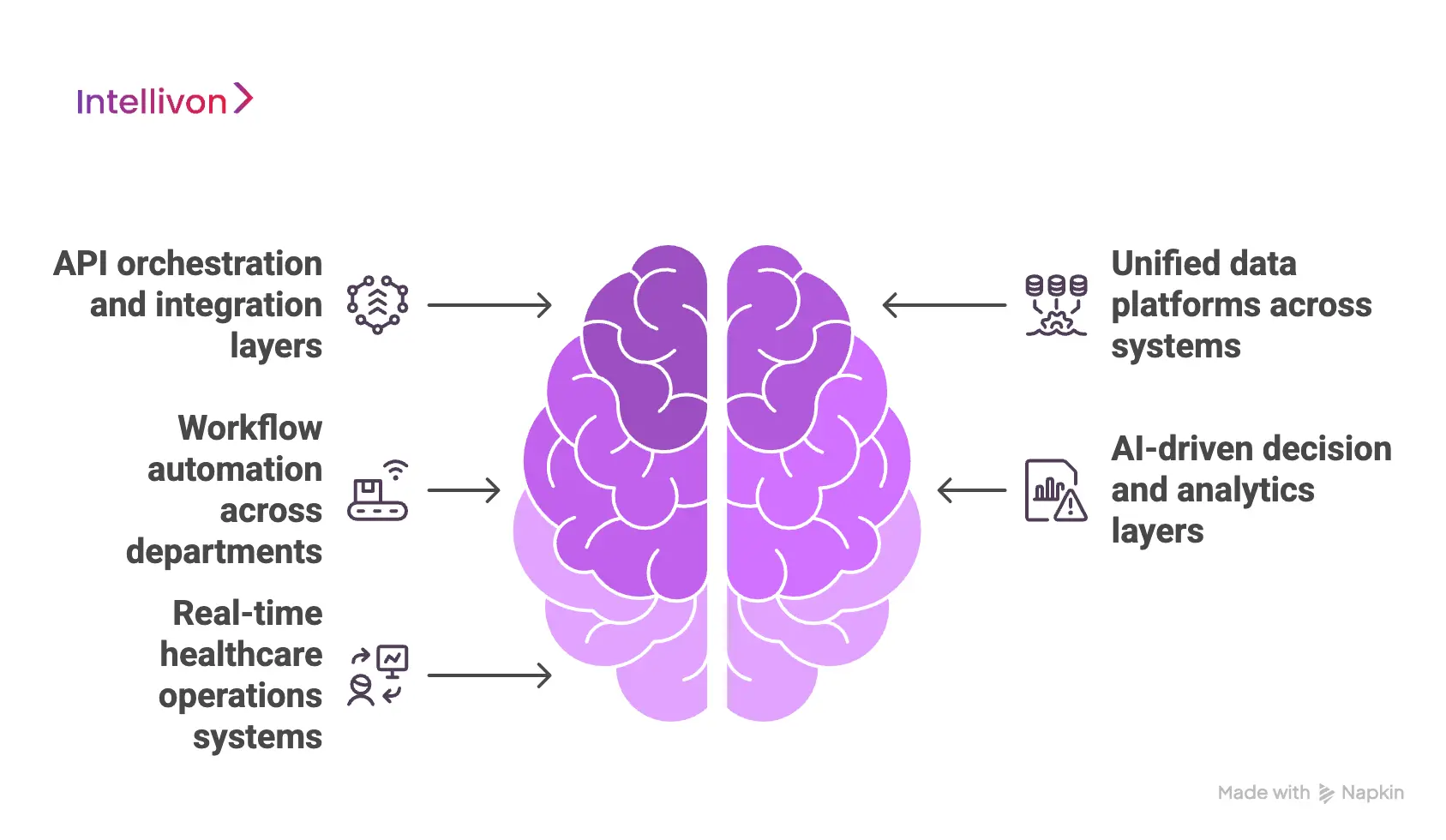
1. API orchestration and integration layers
Standard connections often lead to a tangled web of point-to-point links that are nearly impossible to manage at scale. Leading enterprises move away from this “spaghetti code” by implementing a centralized API orchestration layer.
- Unified Gateway: Instead of every app talking directly to MedConnect, they communicate through a single, secure gateway.
- Protocol Translation: The layer handles the heavy lifting of converting legacy HL7 v2 messages into modern FHIR R4 resources.
- Security & Throttling: It ensures that third-party apps don’t overwhelm the core EHR during peak hours, maintaining system uptime.
- Reusable Assets: Once an “enroll patient” API is built, it can be reused by the portal, the check-in kiosk, and the mobile app without starting from scratch.
2. Unified data platforms across systems
Data is only an asset if it is accessible and clean. Enterprises are increasingly building “Data Lakehouses” that sit alongside MedConnect to aggregate information from diverse sources.
- Clinical + Financial: Merging patient charts from MedConnect with billing data from your ERP to see the true cost of care.
- Imaging & Genomics: Storing massive DICOM files and genetic sequences in a high-speed environment that the EHR isn’t built to handle.
- Single Source of Truth: Ensuring that a change in a patient’s address in the CRM is reflected in the clinical record without manual entry.
3. Workflow automation across departments
The goal of integration is to remove the “white space” between tasks. By building automation engines around MedConnect, enterprises can turn clinical events into operational actions.
- Trigger-Based Logistics: A surgeon finishing a case in the EHR can automatically trigger a “room turnover” alert for the environmental services team.
- Pharmacy Sync: Real-time inventory updates that decrement stock levels the moment a medication is scanned and administered at the bedside.
- Automated Prior-Auths: Sending clinical documentation to payors automatically based on the insurance type and procedure code entered in the system.
4. AI-driven decision and analytics layers
While MedConnect records data, the AI layer interprets it. High-growth platforms leverage this data to provide predictive insights that the core EHR lacks natively.
- Predictive Risk Scoring: Identifying patients at high risk for sepsis or readmission by running background algorithms on streaming vitals.
- Natural Language Processing (NLP): Turning messy, dictated doctor notes into structured data points that can be used for research or automated coding.
- Resource Forecasting: Using historical EHR data to predict patient census levels, allowing for more accurate nurse staffing models.
5. Real-time healthcare operations systems
The final layer is the “Mission Control” center, a real-time dashboard that tracks the heartbeat of the entire organization.
- Command Centers: Visualizing bed capacity, ambulance ETA, and surgical suite status in one unified view.
- Telemetry Monitoring: Integrating data from wearable devices and ICU monitors directly into a centralized surveillance station.
- Revenue Cycle Visibility: Monitoring “unbilled” accounts in real-time to identify and fix clinical documentation gaps before they become denials.
Building these surrounding layers transforms MedConnect from a simple record-keeping system into a high-octane engine for growth. By focusing on the ecosystem rather than just the EHR, you create a resilient infrastructure that can adapt to any clinical or business challenge.
What Systems Can MedConnect Connect? (Software Layer)
For an enterprise healthcare platform to thrive, it must act as an open hub rather than a closed vault.
MedConnect is designed to be the “glue” that binds various software layers together, ensuring that data created in one corner of the organization is instantly useful in another. When you invest in this level of connectivity, you are building a responsive digital nervous system.
1. Hospital EHR and EMR platforms
MedConnect often acts as a bridge between different generations of record-keeping systems. Large hospital groups frequently acquire smaller practices that use legacy EMRs, creating a fragmented data landscape.
- Bi-directional Sync: It allows for the seamless transfer of patient charts, problem lists, and allergy data between disparate systems.
- Referral Continuity: When a patient moves from a primary care clinic to a major hospital, their data arrives before they do.
- Legacy Support: It can pull data from older, “on-premise” servers and move it into a modern, cloud-based environment.
- Unified Patient Identity: It helps resolve duplicate records, ensuring that “John Smith” is recognized as the same individual across the entire network.
2. Labs, imaging, and diagnostics systems
A diagnosis is only as fast as the data transfer. MedConnect integrates directly with Laboratory Information Systems (LIS) and Radiology platforms (PACS).
- Automated Orders: Physicians can order blood work or MRIs directly within the patient’s digital chart.
- Real-time Results: As soon as a lab technician hits “publish,” the result appears in the doctor’s inbox and the patient’s record.
- Visual Integration: It allows clinicians to view diagnostic images and pathology reports without leaving the MedConnect interface.
- Alert Notifications: The system can flag “critical values” immediately, prompting urgent clinical intervention.
3. Insurance and billing platforms
The financial health of an enterprise depends on how quickly clinical work turns into recognized revenue. MedConnect connects the exam room to the back office.
- Eligibility Checks: Front-desk staff can verify insurance coverage in seconds before the appointment begins.
- Coding Accuracy: The system suggests ICD-10 and CPT codes based on the doctor’s notes, reducing claim denials.
- Claims Processing: It pushes completed encounter data directly to clearinghouses for faster reimbursement.
- Patient Collections: It syncs with payment gateways, allowing patients to settle copays through a portal or kiosk.
4. Remote monitoring and IoT devices
Modern healthcare happens everywhere, not just inside hospital walls. MedConnect is increasingly being used to ingest data from the Internet of Medical Things (IoMT).
- Wearable Integration: It can pull heart rate, glucose levels, and sleep data from consumer and medical-grade wearables.
- Home Health Alerts: If a patient’s blood pressure exceeds a certain threshold at home, the system triggers a nursing follow-up.
- Device Telemetry: It tracks the status of ventilators, infusion pumps, and other bedside equipment for better asset management.
- Continuous Care: This creates a “virtual ward” environment where high-risk patients can be monitored safely from their own homes.
5. Patient apps and third-party systems
To stay competitive, your platform must engage patients where they live, on their smartphones. MedConnect provides the backend for a modern digital experience.
- Patient Portals: It powers the apps where patients view their records, message their doctors, and refill prescriptions.
- Third-Party APIs: It allows you to plug in specialized AI tools, like skin cancer screening apps or mental health chatbots.
- Pharmacy Integration: Prescriptions are sent electronically to local pharmacies, reducing errors and wait times.
- Health Maintenance: It sends automated reminders for vaccinations, screenings, and follow-up appointments based on the patient’s history.
By breaking down the walls between these systems, MedConnect transforms from a simple database into a high-utility asset. This software layer is the foundation upon which entrepreneurs can build more advanced, automated, and profitable healthcare services.
What Medical Devices Integrate With MedConnect?
For an enterprise healthcare platform, the ability to ingest data from diverse hardware is a major competitive advantage. MedConnect acts as a universal receiver, taking raw signals from various clinical environments and turning them into structured, actionable medical records.
This integration ensures that the “data map” of the patient is always complete, regardless of which department or device they are interacting with.
1. Patient monitors and bedside devices
The most frequent interaction point for data integration is at the patient’s bedside. MedConnect links directly with multi-parameter monitors that track vital signs in real-time.
- Continuous Vitals: Heart rate, respiratory rate, and blood pressure are automatically updated in the flowsheet.
- Oxygen Saturation: Pulse oximetry data flows into the chart, allowing for early detection of respiratory distress.
- Bedside Centralization: Data from multiple monitors in an ICU or ER is consolidated into a single view within the EHR.
- Automated Baseline: The system captures baseline vitals upon admission without manual transcription.
2. Imaging systems like MRI and CT scans
High-resolution diagnostic imaging requires a bridge between heavy data files and the clinical chart. MedConnect utilizes DICOM and PACS standards to make these images accessible.
- Direct Viewing: Physicians can launch an imaging viewer directly from the patient’s record in MedConnect.
- Radiology Reports: Written interpretations from radiologists are automatically attached to the relevant imaging study.
- Historical Comparison: The system allows for side-by-side comparison of current scans with previous ones to track disease progression.
- Modality Sync: Whether it is a CT, MRI, or X-ray, the metadata (patient ID, date, procedure) is always synchronized.
3. Infusion pumps and ventilators
Critical care hardware requires the highest level of integration to ensure patient safety. MedConnect facilitates “closed-loop” management for life-support and medication delivery systems.
- Ventilator Settings: Data such as tidal volume and PEEP levels are pulled directly into the respiratory therapy notes.
- Infusion Documentation: The EHR records exactly when a pump started, the dose delivered, and when the bag was changed.
- Dose Error Reduction: Integrating pumps with the EHR helps verify that the medication and dose match the physician’s order.
- Alarm Integration: Critical equipment alarms can be pushed to the clinician’s mobile device through the MedConnect interface.
4. Wearables and remote monitoring devices
As healthcare moves outside the hospital, MedConnect bridges the gap to the patient’s home. This is essential for chronic disease management and post-surgical recovery.
- RPM Integration: Data from remote patient monitoring (RPM) kits, like blood pressure cuffs and scales, is uploaded to the EHR via the cloud.
- Continuous Glucose Monitors (CGM): Real-time sugar levels for diabetic patients are tracked, allowing for proactive insulin adjustments.
- Wearable Health Tech: Heart rhythm data from medical-grade smartwatches can be flagged for review by a cardiologist.
- Activity Tracking: Data on a patient’s mobility and sleep patterns helps clinicians assess recovery after major orthopedic or cardiac procedures.
5. Laboratory and diagnostic systems
Beyond bedside hardware, MedConnect is the primary destination for data from the lab and specialized diagnostic suites.
- LIS Connectivity: Integration with Laboratory Information Systems (LIS) ensures that blood work and pathology results populate the chart instantly.
- Point-of-Care Testing (POCT): Results from handheld devices, like those used for rapid flu or COVID tests, are sent to the EHR immediately.
- Cardiology Diagnostics: ECG and EKG machines transmit digital waveforms directly to the patient’s record for specialist interpretation.
- Genomic Data: The system can store and display complex genetic reports, enabling personalized medicine approaches.
By centralizing data from these diverse hardware sources, MedConnect provides the “single source of truth” that every enterprise leader needs. This comprehensive hardware-to-software link is what enables high-quality care and efficient clinical operations.
How MedConnect Integration Actually Works
Moving beyond the conceptual, the technical execution of MedConnect integration is what determines the stability and speed of your healthcare platform. It is a sophisticated orchestration of data protocols and architectural patterns designed to ensure that information is not just moved, but understood and verified across every node in the enterprise.
For a business leader, understanding this “plumbing” is essential for mitigating technical debt and ensuring a future-proof investment.
1. Data flow across systems in real time
The transition from batch processing to real-time data flow is the hallmark of a modern EHR integration. In a high-functioning MedConnect environment, data is transmitted the moment an event occurs, such as a nurse clicking “save” on a vitals flowsheet.
- Push/Pull Mechanisms: Systems can either “push” updates as they happen or “pull” specific data on demand via RESTful requests.
- Low Latency: High-speed connections ensure that a lab result generated in a separate facility appears in the clinician’s dashboard in seconds.
- Message Queuing: If a receiving system is temporarily offline, the integration layer holds the data in a queue to prevent information loss.
- Near-Instant Sync: This creates a truly responsive environment where clinical, administrative, and financial teams are always looking at the same live data.
2. HL7 and FHIR in data exchange
Interoperability relies on standardized languages. MedConnect utilizes both legacy and modern standards to maintain a broad compatibility profile.
- HL7 v2: This remains the workhorse for many “behind the scenes” tasks, such as sending ADT (Admission, Discharge, Transfer) messages between hospital departments.
- FHIR (Fast Healthcare Interoperability Resources): The modern gold standard, FHIR uses web-based APIs (JSON/HTTP) to allow for granular data access.
- Semantic Mapping: The integration process translates local, proprietary codes into these international standards so different systems can “speak” to each other.
- Resource-Based Logic: Instead of sending a whole document, FHIR allows a mobile app to request just the “Patient” resource or “Medication” list, significantly reducing bandwidth and improving speed.
3. API gateways and event-driven systems
To manage thousands of concurrent connections, enterprises use API gateways and event-driven architectures. This acts as the “traffic control” center for your entire data ecosystem.
- Centralized API Gateway: A single point of entry that handles authentication, security, and rate-limiting for all third-party applications.
- Webhooks & Subscriptions: External systems can “subscribe” to specific events; for example, a billing app can be automatically notified the moment a “Discharge” event is recorded.
- Decoupled Architecture: By using an event-driven model, you can upgrade or change one part of your system without breaking the connections to everything else.
- Audit Trails: Every API call is logged, providing a clear history of who accessed what data and when—a critical requirement for HIPAA compliance.
4. Syncing clinical, billing, and ops data
The most valuable integrations are those that bridge the gap between clinical care and business operations. MedConnect ensures that a single patient encounter updates multiple ledgers simultaneously.
- Revenue Cycle Management (RCM): Clinical codes entered by a physician flow directly into the billing system to generate an invoice.
- Operational Visibility: Bed occupancy data in the EHR updates the hospital’s operational dashboard, allowing managers to divert resources where they are needed most.
- Supply Chain Links: Documenting a surgical procedure can automatically trigger a restock order for the specific implants or tools used.
- Unified Reporting: Leadership can run reports that combine clinical outcomes with financial performance, providing a 360-degree view of the business.
5. Managing data conflicts and versioning
When multiple systems are updating the same patient record, data conflicts are inevitable. MedConnect uses sophisticated logic to maintain a “Single Source of Truth.”
- Optimistic Locking: The system prevents two users from overwriting each other’s changes by checking the “version” of the record before saving.
- Conflict Resolution Rules: Pre-defined rules determine which system “wins” in a conflict; for example, the EHR usually takes precedence over a patient-facing app for clinical vitals.
- Data Provenance: Every data point includes metadata about its origin, allowing clinicians to see exactly which device or clinician provided the information.
- Historical Versioning: The system keeps a history of changes, allowing for a “roll-back” if an error is detected or for detailed auditing during a clinical review.
Technical excellence in integration rests in creating a reliable, high-integrity foundation for your business. By mastering these data flows, you ensure that your platform remains agile, compliant, and ready to scale.
How Device Data Flows Into MedConnect Systems
Understanding the journey of a single heartbeat from a bedside monitor to a digital chart reveals the sophisticated engineering behind modern healthcare.
This five-step pipeline ensures that raw signals are transformed into trustworthy, actionable medical intelligence.
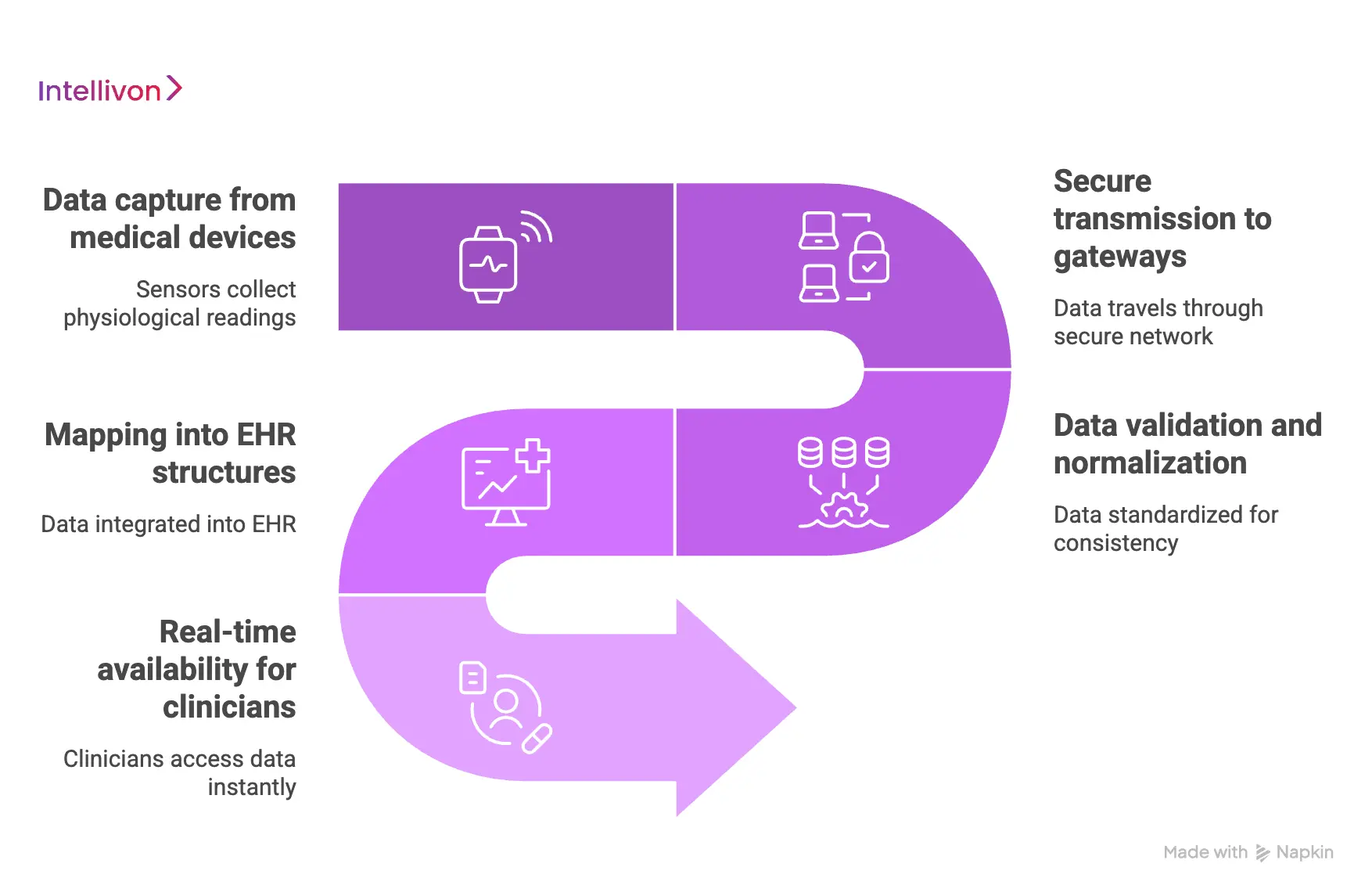
Step 1: Data capture from medical devices
The process begins at the patient interface, where sensors on hardware, such as ventilators or infusion pumps, collect physiological readings. These devices generate “streaming data,” which consists of a constant flow of numbers and waveforms.
If the initial recording is inaccurate, the entire downstream clinical record remains flawed. Modern devices are often “network-ready,” meaning they can broadcast this data the moment it is generated.
Step 2: Secure transmission to gateways
Once captured, the data travels through the facility’s secure network to a centralized integration gateway. This “middleware” acts as a protective staging area that prevents the core MedConnect system from being overwhelmed by raw data traffic.
- Encryption: Data is encrypted during transit to meet strict HIPAA and cybersecurity standards.
- Authentication: The gateway verifies that the device sending the data is authorized to be on the network.
- Buffering: If the network is busy, the gateway temporarily stores the data to ensure no packets are lost.
Step 3: Data validation and normalization
Raw data from different manufacturers often arrives in different “languages” or formats. The normalization step acts as a universal translator, ensuring that a “Heart Rate” reading from a GE monitor looks exactly like a “Heart Rate” reading from a Philips device.
- Scrubbing: The system removes “noise” or artifacts, such as a temporary signal loss when a patient moves.
- Standardization: Units of measurement are checked, for example, ensuring all weights are converted to kilograms before entering the EHR.
- Range Checks: If a device sends a value that is physically impossible, the system flags it for review rather than blindly accepting it.
Step 4: Mapping into EHR structures
Validated data is then “mapped” into specific fields within the MedConnect database. This is where the technical data becomes a clinical record. The integration engine identifies the Patient ID and matches the device data to the correct “flowsheet” or “encounter” in the EHR. This step ensures that a blood pressure reading taken in the ICU doesn’t accidentally end up in the chart of a patient in the Maternity ward.
Step 5: Real-time availability for clinicians
The final step is the instantaneous update of the clinician’s dashboard. The data is now a trend line on a doctor’s tablet or a notification on a nurse’s smartphone.
- Visual Trending: Clinicians can see how a patient’s vitals have changed over the last 24 hours at a glance.
- Clinical Alerts: If the mapped data exceeds a certain threshold, the system can automatically trigger a “Code Blue” or a rapid response alert.
- Documentation: The data is officially “signed” into the medical record, creating a permanent, legal entry of the patient’s status.
By automating this lifecycle, enterprises eliminate the delays and errors associated with manual charting. This seamless flow is the engine that drives faster interventions and superior patient outcomes.
MedConnect Integration Architecture and Infrastructure
Building a scalable healthcare platform requires an architecture that moves beyond simple data storage toward a dynamic, interconnected ecosystem. A well-designed MedConnect environment uses modular layers to ensure that every new device or application adds value without increasing system complexity.
1. API-first integration layer design
An API-first approach treats every function within the ecosystem as a discoverable and reusable service. Instead of building custom code for every new connection, developers utilize a standardized set of RESTful APIs to interact with MedConnect.
- Granular Access: FHIR-based APIs allow external apps to pull specific data points, like a single lab result, rather than downloading an entire, bulky patient record.
- Faster Deployment: New digital health tools can be integrated 5x faster because they connect to a pre-defined, secure entry point.
- Standardized Security: API gateways enforce consistent authentication (OAuth2) and authorization protocols across all third-party integrations.
2. Middleware and orchestration layers
Middleware acts as the “universal translator” and traffic controller for the enterprise. It sits between MedConnect and peripheral systems, ensuring that data doesn’t just move, but arrives in the correct format and triggers the right actions.
- Message Routing: The orchestration layer determines where data needs to go, for example, sending a “Discharge” event to both the billing system and the patient’s pharmacy.
- Protocol Translation: It handles the complex task of converting legacy HL7 v2 messages from older lab equipment into modern FHIR resources for mobile apps.
- Error Handling: If a destination system is down, the middleware queues the message and retries automatically, preventing data gaps.
3. Microservices for scalable integration modules
Rather than a “monolithic” architecture where one failure can take down the entire system, modern enterprises use microservices. This modularity allows individual parts of the integration to scale independently based on demand.
- Service Isolation: The “Billing Sync” service operates independently from the “Lab Result” service; if one needs an update, the other remains online.
- Elastic Scaling: During peak hours, the system can automatically allocate more computing power to the busiest services, such as E-prescribing or Patient Check-in.
- Simplified Maintenance: Smaller, specialized codebases are easier for engineering teams to test, secure, and improve over time.
4. Data transformation and mapping engines
Healthcare data is notoriously messy, often arriving in different units or with varied terminology. Transformation engines are the “scrubbing stations” that ensure data integrity.
- Semantic Normalization: These engines map local hospital codes to international standards like LOINC (for labs) or SNOMED CT (for clinical terms).
- Unit Conversion: Ensuring all physiological data is converted to a standard format (e.g., Celsius to Fahrenheit or lbs to kg) before it hits the chart.
- Deduplication: The engine identifies if “Jon Doe” and “John B. Doe” are the same person, preventing fragmented and dangerous medical records.
5. Device gateways and interface engines
To handle the massive influx of data from medical hardware, specialized gateways act as the frontline receivers. These engines are optimized for high-velocity, streaming data from the bedside.
- High-Frequency Capture: Gateways can process thousands of data points per second from ventilators and ICU monitors without slowing down the core EHR.
- Device Neutrality: Interface engines like Mirth Connect or Rhapsody allow MedConnect to talk to hardware from any manufacturer.
- Advanced Alerting: The gateway can be programmed to escalate critical alerts directly to a nurse’s mobile device if a vital sign crosses a dangerous threshold.
6. Cloud and hybrid deployment infrastructure
Choosing the right hosting model is a strategic balance between institutional control and rapid scalability. Enterprises today often opt for a hybrid approach to get the best of both worlds.
- Cloud Scalability: Using platforms like AWS or Azure allows the integration layer to grow instantly as you add more hospitals to your network.
- On-Premise Security: Sensitive core databases may remain on-site for maximum control, while “edge” applications run in the cloud for better performance.
- Disaster Recovery: Hybrid models ensure that if the local server fails, clinical operations can failover to a cloud-based backup without losing data.
7. Security layers and access controls
In a connected ecosystem, security must be embedded at every layer, not just at the perimeter. This “Zero Trust” approach ensures that patient data remains private even as it moves between systems.
- Role-Based Access (RBAC): Access is strictly granted based on necessity; a billing clerk can see financial data but is blocked from viewing sensitive clinical notes.
- End-to-End Encryption: Data is encrypted both “at rest” in the database and “in transit” as it moves between the device and the EHR.
- Audit Traceability: Every single data access or modification is logged, creating a bulletproof audit trail for HIPAA, GDPR, or SOC2 compliance.
Investing in this architectural depth is what transforms a simple software installation into a powerful enterprise asset. By building a modular and secure infrastructure, you ensure your platform can lead the market today and easily integrate the AI and IoT innovations of tomorrow.
Key Use Cases Driving MedConnect Adoption
Strategic adoption of MedConnect is rarely about simply “going digital.” Instead, forward-thinking enterprises use the platform to solve high-stakes operational and clinical friction points.
By focusing on these high-impact use cases, organizations can move from static record-keeping to a dynamic, data-driven service model that delivers a measurable return on investment.
1. Real-time patient record synchronization
The most immediate benefit of MedConnect integration is the creation of a “single source of truth” across the enterprise. When a patient moves from the emergency room to an inpatient bed, their data must arrive before they do.
- Demographic Alignment: Automatically syncing names, addresses, and insurance details across all systems to eliminate duplicate records.
- Unified Clinical View: Providing doctors with a 360-degree view of the patient, including medications, allergies, and recent lab results from every department.
- Instant Updates: Ensuring that a change made by a specialist in a satellite clinic is visible to the primary care physician in real-time.
2. Unified billing and claims workflows
For many business leaders, the “why” behind MedConnect is the acceleration of the revenue cycle. Integration bridges the gap between the clinical encounter and the final payment.
- Automated Charge Capture: Linking clinical documentation directly to billing codes, which reduces the time spent on manual “superbills.”
- Real-time Eligibility: Verifying insurance coverage at the moment of check-in to prevent later claim denials.
- Claims Scrubbing: Automatically checking for coding errors or missing information before a claim is submitted to the payer.
- Faster Reimbursement: Shortening the “days in accounts receivable” by digitizing the entire submission and follow-up process.
3. Cross-hospital data exchange at scale
In a multi-hospital system or a regional health network, data must flow across organizational boundaries. MedConnect facilitates this “intelligent interoperability” by connecting diverse facilities.
- Network-Wide Search: Allowing clinicians to quickly search for patient data across a national or regional exchange network.
- Reduced Duplicate Testing: Seeing that a patient had a CT scan at a different hospital yesterday prevents the need to order (and pay for) another one today.
- Referral Continuity: Securely sharing care plans and discharge summaries with outside specialists to ensure the patient doesn’t fall through the cracks.
4. AI-driven clinical decision support
Modern enterprises are moving beyond simple data storage toward “predictive” care. MedConnect acts as the data foundation for AI tools that help clinicians make better, faster decisions.
- Sepsis and Risk Modeling: Running background algorithms that flag patients at high risk for clinical deterioration before symptoms become obvious.
- Medication Safety: Using automated “rules engines” to catch potential drug-drug interactions or allergy conflicts during the ordering process.
- Differential Diagnosis: Providing AI-assisted suggestions for possible diagnoses based on complex sets of symptoms and lab results.
- Resource Optimization: Predicting patient discharge dates to help hospital managers better allocate beds and staff for the upcoming week.
5. Remote patient monitoring integration
The reach of the hospital is no longer limited by its physical walls. MedConnect allows for the continuous monitoring of patients in their own homes, which is essential for managing chronic diseases.
- Continuous Vitals Tracking: Ingesting data from home blood pressure cuffs, scales, and glucose monitors directly into the clinical chart.
- Proactive Interventions: Triggering an alert for the care team if a home reading falls outside of a safe range, allowing for a phone call instead of an ER visit.
- Post-Surgical Oversight: Monitoring recovery metrics like activity levels and wound healing remotely to reduce the likelihood of hospital readmission.
These use cases represent the intersection of clinical excellence and business efficiency. By focusing on these strategic areas, entrepreneurs can ensure their MedConnect implementation serves as a true engine for growth rather than just a compliance requirement.
Key Challenges in Device Integration at Scale
As an enterprise expands its clinical footprint, the sheer diversity of hardware and data streams can become a significant operational hurdle. Scaling from a single department to a multi-hospital network exposes architectural weaknesses that “plug-and-play” solutions cannot address.
Successful healthcare entrepreneurs must proactively manage these friction points to ensure their platform remains a reliable clinical asset.
1. Device protocol and data format mismatch
In a large-scale environment, you will likely encounter a “Tower of Babel” scenario where different manufacturers use proprietary communication languages. A GE monitor in the ICU may speak a different dialect of HL7 than a Philips ventilator in the ER, leading to fragmented and unreadable data streams.
The Solution: We implement a standardized middleware layer that acts as a universal translator. By adopting modern interoperability standards like FHIR and HL7 v2. x, we normalize diverse data formats into a single, unified language before they ever reach the MedConnect core.
2. Complexity in mapping device data to EHR
Mapping raw, high-frequency signals, like the millisecond-by-millisecond data from a cardiac monitor, into the structured fields of an EHR is technically demanding. Without precise mapping, critical data may be mislabeled or “dropped,” leading to incomplete patient charts and potential clinical risk.
The Solution: Our approach utilizes automated mapping engines driven by predefined clinical rules. We build “smart templates” that recognize specific device outputs and route them to the correct flowsheet in MedConnect, ensuring 100% data fidelity and reducing the burden on your IT teams.
3. Legacy systems lacking API support
Many established hospitals still rely on high-quality medical hardware purchased a decade ago. These “stubborn” devices often lack modern APIs or web-based connectivity, making them invisible to a cloud-based MedConnect environment.
The Solution: We bridge this gap using IoT Edge Gateways. These physical or virtual bridges “listen” to legacy hardware ports (like RS-232 or older LAN protocols), capture the raw data, and wrap it in a secure API layer for modern transmission. This allows you to modernize your software without the massive capital expense of replacing every piece of hardware.
4. Compliance across multiple systems
Maintaining HIPAA or GDPR compliance becomes exponentially harder when data is moving between dozens of different devices, gateways, and cloud servers. A security breach at any single point in this chain can expose the entire enterprise to massive legal and financial liability.
The Solution: We enforce a “Security-by-Design” architecture. This includes end-to-end encryption for data both “at rest” and “in transit,” combined with centralized Identity and Access Management (IAM). By creating a unified audit trail across all connected systems, we ensure that every data movement is logged, authorized, and compliant with global standards.
5. Real-time data reliability issues
At scale, network latency or “data lag” can be life-threatening. If a clinician sees a patient’s vitals from five minutes ago instead of five seconds ago, the ability to intervene in a crisis is lost. System “noise” or artifacts can also lead to false alarms that cause clinician burnout.
The Solution: We utilize Event-Driven Architectures and high-speed message queuing (like Kafka or RabbitMQ). This ensures that data is pushed to the clinician’s screen in milliseconds. Furthermore, we apply real-time validation algorithms that “scrub” the data of noise and artifacts, ensuring that the alerts your staff receives are accurate and actionable.
By turning these challenges into managed workflows, you transform your technical infrastructure from a liability into a formidable competitive advantage. Solving these issues at the architectural level is what allows an enterprise to grow without compromising patient safety or operational speed.
Best Practices for MedConnect Integration Success
Executing a high-stakes EHR integration is as much about strategic foresight as it is about technical coding. For an enterprise to see a true return on investment, the implementation must move beyond a simple “installation” and become a foundational business shift.
Following these industry-proven best practices ensures that your MedConnect ecosystem is resilient, scalable, and capable of driving long-term clinical and financial growth.
1. Define integration goals and outcomes early
Before a single line of code is written, leadership must identify the specific business problems the integration is meant to solve. Without clear objectives, projects often suffer from “scope creep,” where costs balloon without delivering measurable value.
- Identify KPIs: Are you aiming to reduce “days in accounts receivable” by 15%, or decrease manual data entry time for nurses by 20%?
- Prioritize Workflows: Focus first on the integrations that provide the highest clinical or financial impact, such as pharmacy sync or emergency department vitals.
- Stakeholder Alignment: Ensure that clinical, financial, and IT leaders are in agreement on what “success” looks like to prevent friction during the rollout.
2. Assess existing IT infrastructure readiness
A modern platform like MedConnect cannot reach its full potential if it is built on a crumbling digital foundation. An early audit of your current hardware and network capabilities prevents expensive surprises mid-project.
- Network Bandwidth: Ensure your facility’s Wi-Fi and hardwired networks can handle the surge in real-time data traffic from hundreds of connected devices.
- Legacy Compatibility: Identify which older systems lack modern APIs and determine if you need “edge gateways” to bring them into the digital fold.
- Cybersecurity Posture: Evaluate your current encryption and identity management tools to ensure they can meet the demands of a highly connected, data-rich environment.
3. Standardize data using HL7 and FHIR
To ensure your platform remains future-proof, you must avoid proprietary, “black-box” connections. Adhering to international data standards is the only way to ensure long-term interoperability.
- Adopt FHIR R4: Utilize the latest FHIR standards for mobile and web-based applications to ensure fast, granular data access.
- Consistent Terminology: Map all local codes to global standards like LOINC and SNOMED CT early in the process to prevent data “silos” later.
- Interface Engines: Invest in a robust interface engine (like Mirth or Rhapsody) that specializes in translating diverse healthcare protocols into a unified language.
4. Ensure compliance with regulations
In healthcare, compliance is a core business risk. Your integration must be architected to meet the strictest global data protection standards from day one.
- HIPAA/GDPR Alignment: Ensure that every data touchpoint, from the bedside monitor to the cloud server, utilizes end-to-end encryption.
- Auditability: Build a centralized logging system that records every instance of data access, providing a clear trail for regulatory inspectors.
- Data Residency: If operating across borders, ensure your cloud infrastructure complies with local laws regarding where patient data can be stored and processed.
5. Choose an experienced integration partner
The complexity of MedConnect integration means that “doing it yourself” often leads to technical debt and missed deadlines. Partnering with experts who understand both the clinical and technical nuances of healthcare is a strategic shortcut to success.
- Domain Expertise: Look for a partner who has a proven track record specifically in enterprise-grade AI and healthcare middleware.
- End-to-End Support: Choose a team that can handle everything from architectural design and security audits to go-live support and long-term maintenance.
- Strategic Thinking: The right partner doesn’t just “connect systems”; they help you optimize your business processes to take full advantage of the new technology.
By following these strategic pillars, you minimize the risks associated with large-scale digital transformation. This disciplined approach ensures that your investment in MedConnect becomes a powerful, permanent asset that grows alongside your organization.
How Intellivon Builds MedConnect Integration Step-By-Step
Executing a large-scale EHR integration demands a strategic alignment of clinical workflows and business intelligence. At Intellivon, we follow a rigorous, enterprise-grade methodology to ensure your MedConnect ecosystem is resilient, secure, and ready for high-volume operations.
Our approach focuses on long-term scalability and the elimination of technical debt from day one.
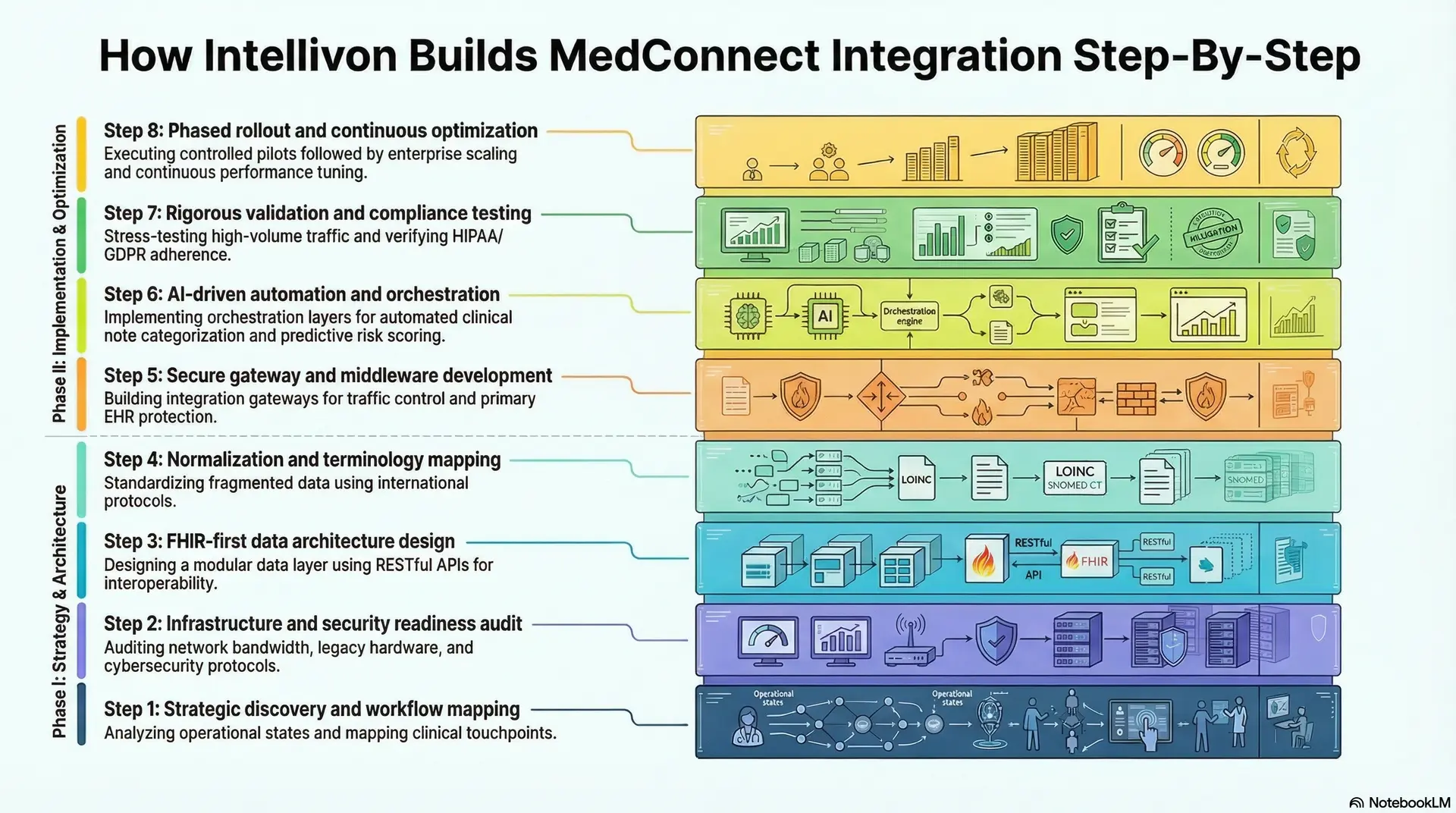
Step 1: Strategic discovery and workflow mapping
We begin by deeply analyzing your organization’s current operational state and identifying the high-impact gaps in your data flow. Instead of a one-size-fits-all approach, we map every clinical and administrative touchpoint to ensure the integration serves a specific business outcome.
This stage involves identifying key stakeholders, from CFOs tracking revenue cycles to clinicians at the bedside, to define exactly what success looks like for your specific enterprise.
Step 2: Infrastructure and security readiness audit
Before deployment, our team performs a comprehensive audit of your existing IT landscape to ensure it can support the demands of a real-time MedConnect environment. We evaluate network bandwidth, legacy hardware limitations, and current cybersecurity protocols.
This proactive assessment allows us to identify and fix potential bottlenecks, such as outdated servers or weak encryption layers, before they impact your clinical operations.
Step 3: FHIR-first data architecture design
Intellivon prioritizes a modern, “FHIR-first” architecture that ensures your platform is future-proof and highly interoperable. We design a modular data layer that utilizes RESTful APIs to allow for granular data access, which is significantly more efficient than legacy “document-based” transfers.
This architectural foundation ensures that whether you are adding a new patient app or a complex AI diagnostic tool, the connection remains stable and high-performing.
Step 4: Normalization and terminology mapping
Healthcare data is often fragmented across different formats and local coding systems. We implement a powerful normalization engine that scrubs and standardizes this data using international protocols like LOINC and SNOMED CT.
This ensures that a lab result or diagnosis is recognized and understood the same way by every system in your network, eliminating the risk of medical errors caused by data “misinterpretation.”
Step 5: Secure gateway and middleware development
To handle the high-velocity data streaming from medical devices and secondary systems, we build specialized integration gateways. This middleware acts as the “traffic control” center, managing message routing, protocol translation, and error handling.
By insulating the core MedConnect EHR with this resilient layer, we ensure that external traffic spikes or third-party system downtime never compromise your primary clinical record.
Step 6: AI-driven automation and orchestration
Once the data pipeline is established, we implement an orchestration layer that triggers automated workflows based on clinical events.
This is where we integrate our specialized AI and Generative AI engines to automate repetitive tasks like clinical note categorization, predictive risk scoring, and prior-authorization forms.
We turn your static data into a dynamic engine that actively assists your staff in making faster, more accurate care decisions.
Step 7: Rigorous validation and compliance testing
In healthcare, there is no room for error. We subject the integrated system to exhaustive testing scenarios, including stress-testing the network for high-volume data traffic and verifying end-to-end encryption.
Our compliance team ensures that every data movement adheres to HIPAA, GDPR, and other regional regulatory requirements, providing you with a bulletproof audit trail and complete peace of mind.
Step 8: Phased rollout and continuous optimization
We don’t believe in “big bang” deployments that disrupt care. Intellivon follows a phased rollout strategy, starting with a controlled pilot before scaling across the entire enterprise.
Once live, we provide continuous monitoring and performance tuning to ensure the system evolves alongside your business. Our goal is to ensure your MedConnect integration isn’t just a project completion, but a permanent platform for innovation and growth.
By partnering with Intellivon, you gain more than just technical experts; you gain a strategic ally dedicated to making your healthcare technology work for you. We take the complexity out of integration, allowing you to focus on delivering high-quality care and scaling your business with confidence.
How Secure Is MedConnect Integration?
Maintaining the sanctity of patient data is the non-negotiable foundation of any enterprise healthcare strategy.
A robust MedConnect integration uses a “defense-in-depth” approach, ensuring that security is woven into the very fabric of the architecture rather than added as an afterthought.
1. HIPAA and GDPR compliance layers
Operating a healthcare platform at scale requires strict adherence to global privacy standards. MedConnect integrations are designed to meet the rigorous administrative, physical, and technical safeguards demanded by HIPAA in the U.S. and GDPR in Europe.
This involves automated data residency controls that ensure patient information is stored in compliant geographic regions. Furthermore, we implement Business Associate Agreements (BAAs) across all third-party service providers to maintain a closed loop of legal and regulatory accountability.
2. Data encryption and access control
To prevent unauthorized exposure, data must be shielded at every stage of its journey. We utilize AES-256-bit encryption for data “at rest” in the database and TLS 1.3 for data “in transit” between devices and the EHR.
Access is managed through a Zero-Trust framework, where multi-factor authentication (MFA) is mandatory. Role-Based Access Control (RBAC) ensures that a billing clerk, for instance, can see financial records but remains strictly blocked from viewing sensitive clinical progress notes.
3. Audit logs and monitoring systems
Transparency is the best deterrent against internal and external threats. Every single interaction with the MedConnect system, whether it is a doctor viewing a chart or an API pulling a lab result, is recorded in a centralized, immutable audit log.
These logs are monitored 24/7 by automated Security Information and Event Management (SIEM) systems. If an unusual pattern is detected, such as a bulk data export or an unauthorized login attempt, the system triggers an immediate lockdown and alerts the security team.
4. Patient consent and governance
As healthcare becomes more consumer-centric, managing how and when data is shared is critical for maintaining patient trust. Integration layers include sophisticated consent management modules that track a patient’s preferences in real-time.
If a patient revokes consent for their data to be used in a specific research study or shared with a third-party app, the integration engine automatically blocks those data flows across the entire ecosystem. This governance ensures that your enterprise remains ethically and legally aligned with patient wishes.
5. Securing APIs and integrations
APIs are the primary gateways for modern healthcare, making them a high-priority target for cyber threats. We secure these entry points using OAuth2 and OpenID Connect protocols to ensure that only verified applications can request data.
- Rate Limiting: Prevents “Denial of Service” attacks by capping the number of requests an external app can make.
- IP Whitelisting: Restricts API access to known, trusted server environments.
- Payload Validation: Inspects incoming data to ensure it doesn’t contain malicious code or “injection” attacks that could compromise the core EHR.
In a landscape of increasing cyber risk, a secure integration is the only way to protect your brand’s reputation and your patients’ lives. By prioritizing these security layers, you create a resilient platform that can scale safely in a digital-first world.
Conclusion
MedConnect EHR integration is not just about connecting systems. It is about building a unified, real-time foundation for healthcare operations. When done right, it removes data silos, improves clinical accuracy, and supports scalable growth.
However, success depends on how the integration is designed and implemented. With the right architecture and approach, healthcare organizations can move from fragmented systems to a connected, future-ready infrastructure.
Build MedConnect Integration With Intellivon
At Intellivon, MedConnect integrations are built as an enterprise healthcare infrastructure layer, not as point-to-point connections across fragmented systems. The goal is to create a unified environment where EHRs, devices, billing systems, and clinical workflows operate on consistent, real-time data.
Each integration is designed around how your healthcare system actually functions. This includes MedConnect data orchestration, HL7 and FHIR standardization, device integration, workflow automation, and real-time synchronization across systems. As a result, teams reduce manual effort, improve coordination, and gain complete visibility into operations.
Our approach focuses on API-first, cloud-native architectures combined with interoperability standards. This ensures seamless integration with labs, pharmacies, insurers, medical devices, and existing EHR platforms without disrupting ongoing workflows.
Why Choose Intellivon for MedConnect Integration
- Architecture-first approach: We design integration layers for long-term scalability, not quick fixes, ensuring your system supports growth and complexity from the start.
- Workflow-driven integration: Every integration is aligned with your clinical and operational workflows, not forced into rigid, predefined structures.
- Seamless interoperability: We enable real-time data exchange using HL7, FHIR, and modern API frameworks across all connected systems.
- Built for scale and performance: Our integrations support multi-hospital environments, high data volumes, and complex care delivery models without performance issues.
- Continuous evolution and support: We ensure your integration layer adapts to new systems, technologies, and regulatory changes over time.
If you are planning to integrate MedConnect into your healthcare ecosystem, Intellivon helps you design and build a system that works in real-world conditions and scales with your future growth.
FAQs
Q1. What is MedConnect EHR integration?
A1. MedConnect EHR integration connects MedConnect with other healthcare systems through a structured integration layer. It enables real-time data exchange across EHRs, devices, billing systems, and third-party platforms. Instead of isolated connections, it creates a unified environment where all systems operate on consistent and standardized data.
Q2. How does MedConnect integration work?
A2. MedConnect integration works through an API-first layer that connects multiple systems and standardizes data using HL7 and FHIR. Data flows from devices and platforms into integration services, where it is validated, transformed, and mapped before reaching the EHR. As a result, clinicians and operations teams access accurate, real-time data across systems.
Q3. What systems can MedConnect connect to?
A3. MedConnect can connect a wide range of healthcare systems. This includes EHR and EMR platforms, lab and diagnostic systems, billing and insurance platforms, pharmacies, medical devices, and patient-facing applications. Through a unified integration layer, all these systems exchange data seamlessly without manual intervention.
Q4. How secure is MedConnect integration?
A4. MedConnect integration is designed with enterprise-grade security and compliance. It includes data encryption, role-based access control, audit logs, and secure API management. In addition, integration layers are built to comply with regulations like HIPAA and GDPR. This ensures patient data remains protected across all connected systems.
Q5. How much does MedConnect integration cost?
A5. The cost of MedConnect integration depends on system complexity, number of integrations, data volume, and compliance requirements. For enterprise healthcare systems, integration typically ranges from mid to high five figures and can scale further based on customization. However, a well-designed integration layer reduces long-term costs by minimizing manual work, errors, and system rework.