
How Does AI Improve Accuracy In Medical Imaging Diagnostics?
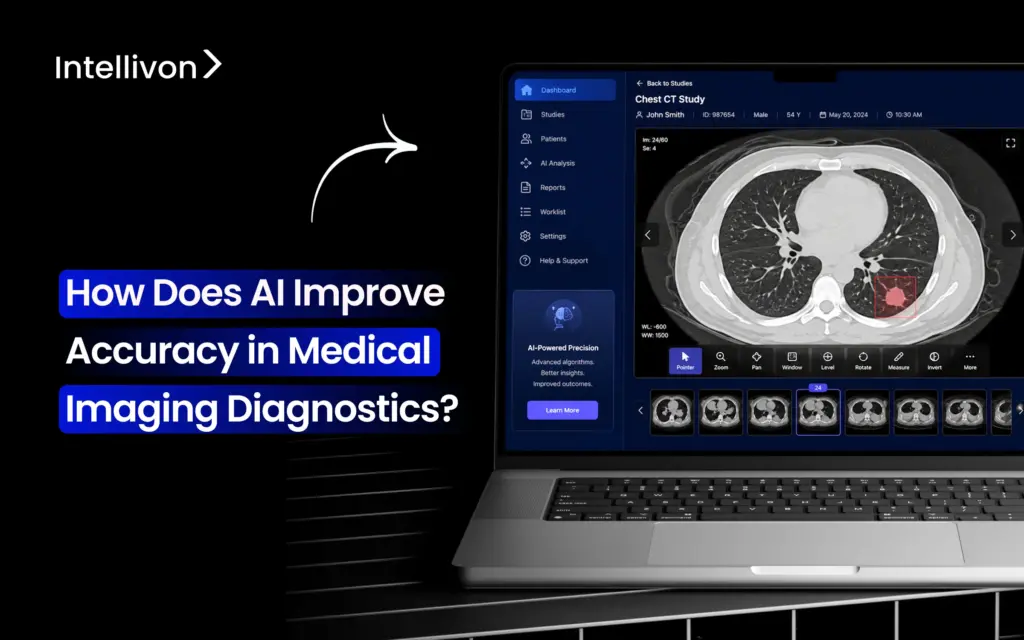
Key Takeaways: AI reduces missed findings, false positives, and measurement errors by acting as a continuous second reader across CT, MRI, X-ray, ultrasound, and mammography.
What Features Should An Enterprise AI Radiology Platform Include?
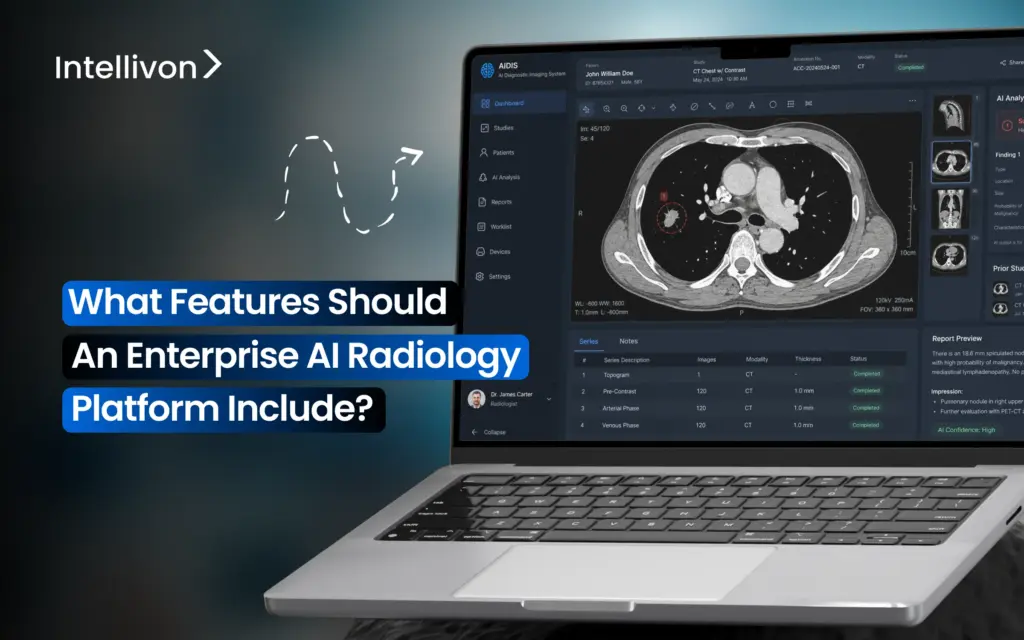
Key Takeaways: Enterprise AI radiology platforms need DICOM ingestion, multi-model inference, PACS/RIS/EHR integration, radiologist review workflows, and model monitoring working as one system, not separate
How Long Does It Take To Develop An AI Diagnostic Imaging System?
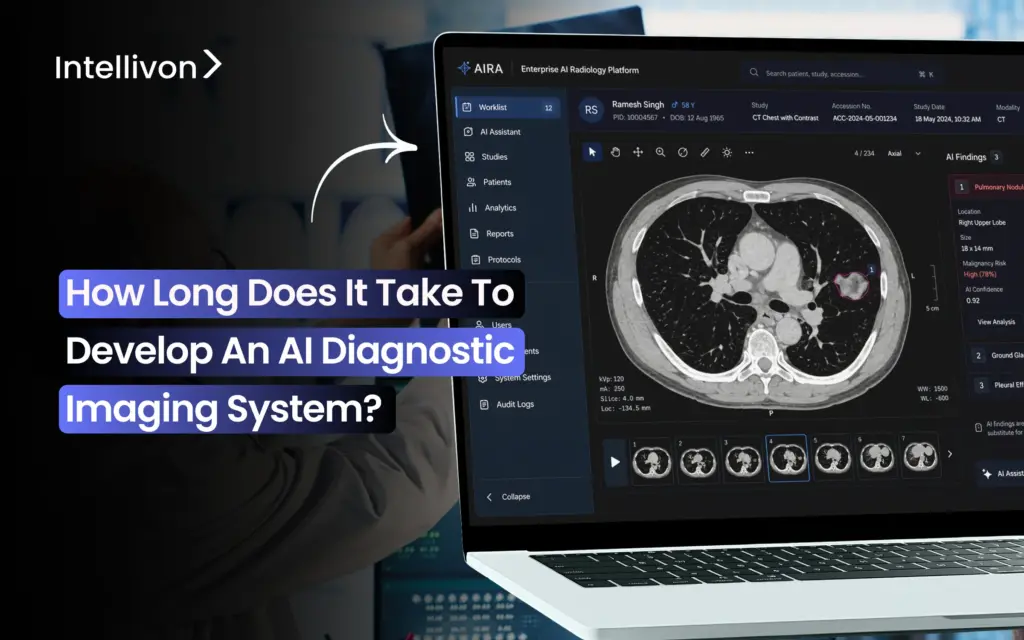
Key Takeaways: AI diagnostic imaging takes 4 to 6 months for an MVP and 9 to 18 months for an enterprise platform with PACS integration,
How To Build A Scalable AI Backend For Payment Systems?
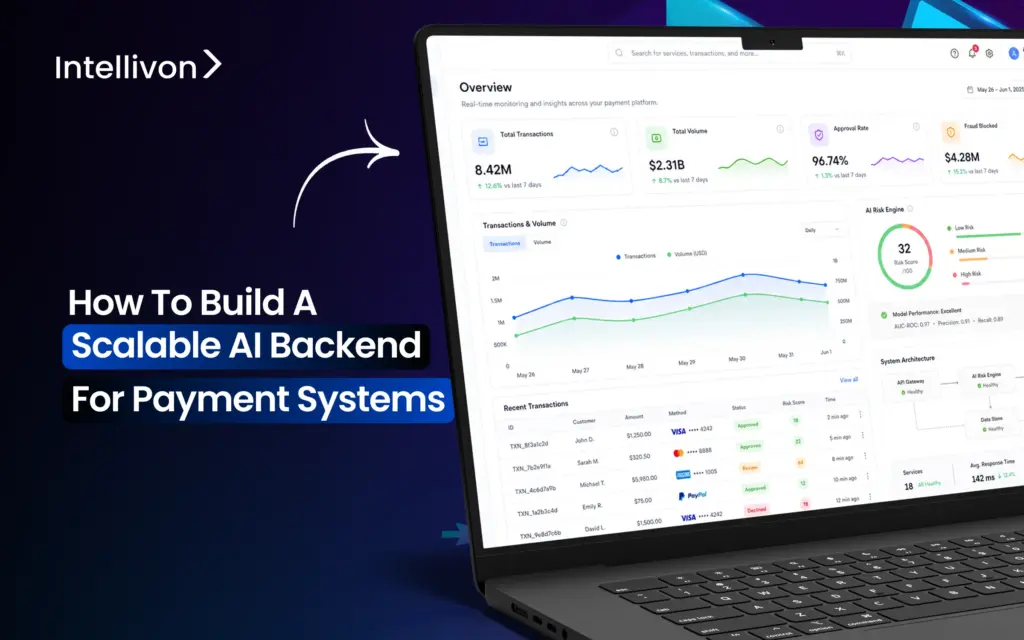
Key Takeaways: Legacy backends consume 70% of tech budgets on maintenance, leaving no capacity for real-time AI decisioning at modern transaction volumes. Scalable AI payment
How To Integrate AI Into Existing Payment Gateways?
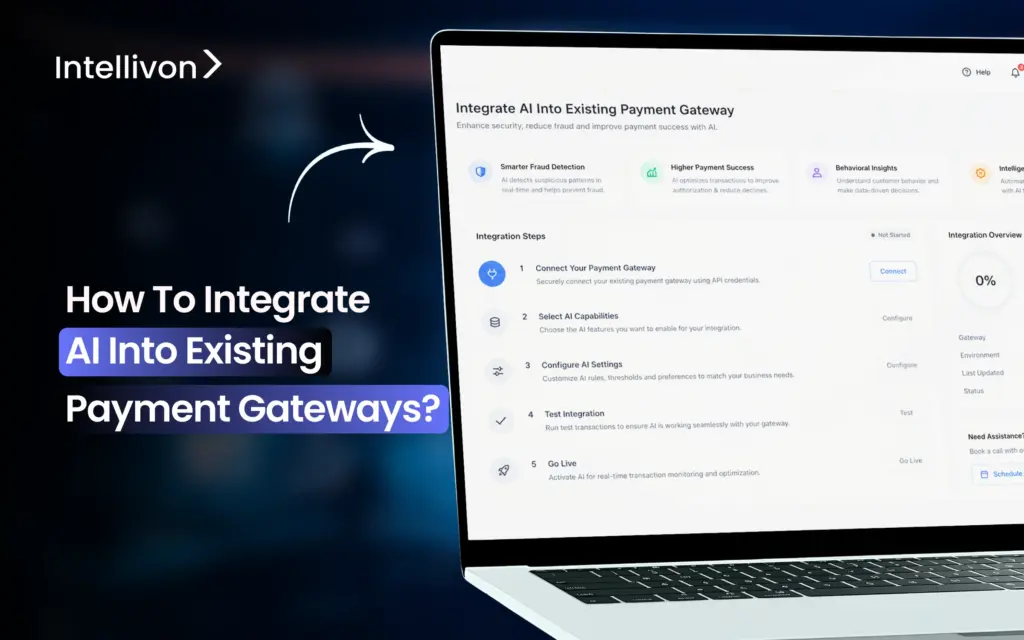
Key Takeaways: Legacy gateways use rigid if-then logic that cannot adapt to fraud patterns, false declines, or multi-PSP routing complexity at scale. AI adds fraud
How To Build An AI Radiology Software For Hospitals In 2026?
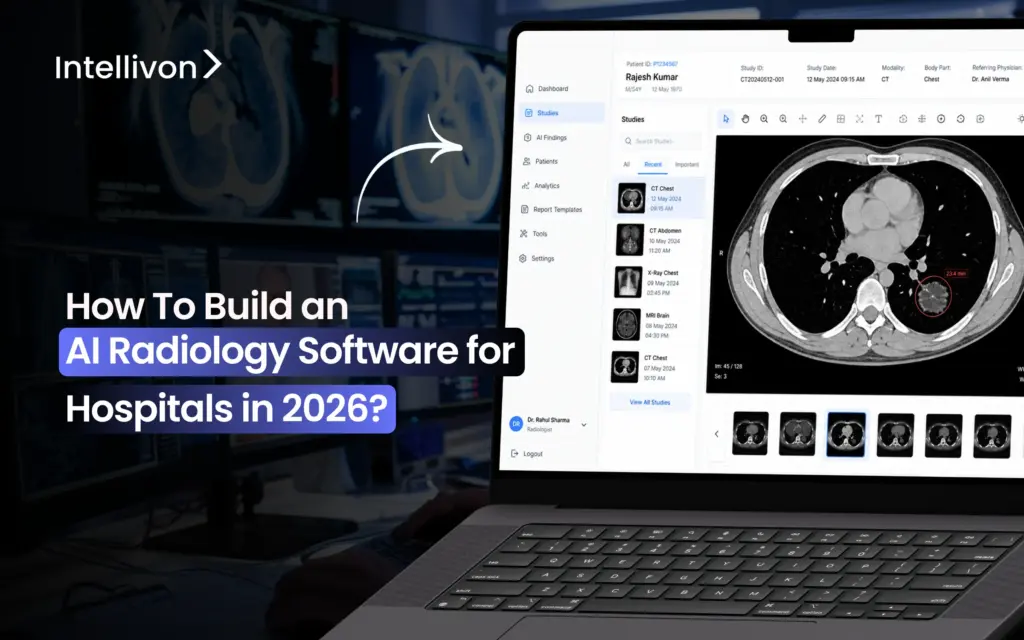
Key Takeaways: Hospital-grade AI radiology software requires direct PACS, RIS, EHR, and DICOM integration with radiologist-led review and governance built in from day one, not
What Is The Cost To Develop An AI Medical Imaging Solution?
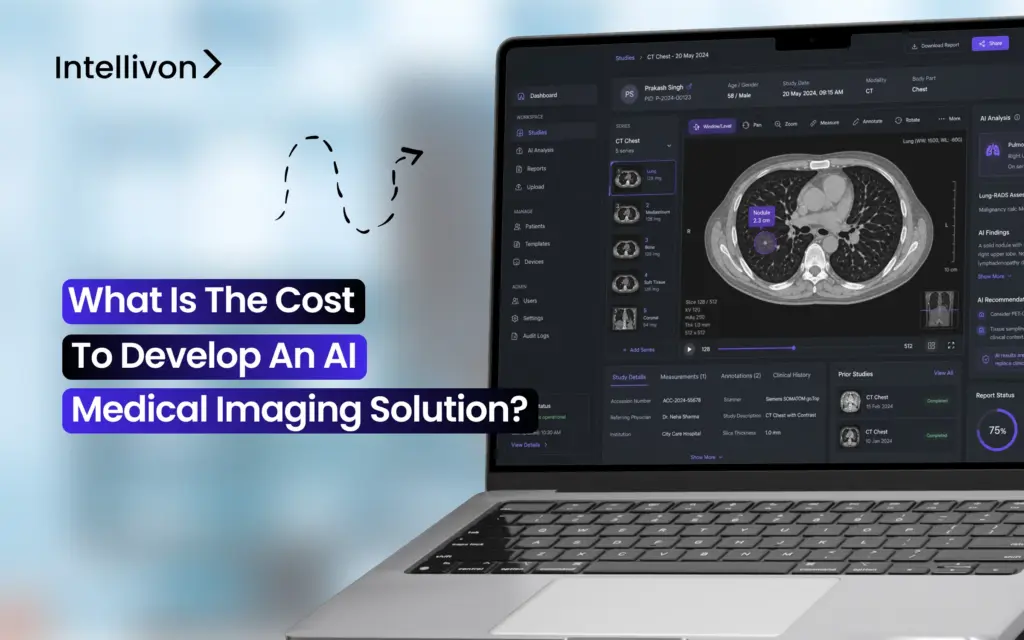
Key Takeaways: AI medical imaging costs range from $50,000 for an MVP to $280,000 and above for an enterprise platform with PACS integration and compliance
How To Build an AI-Powered Transaction Monitoring System?
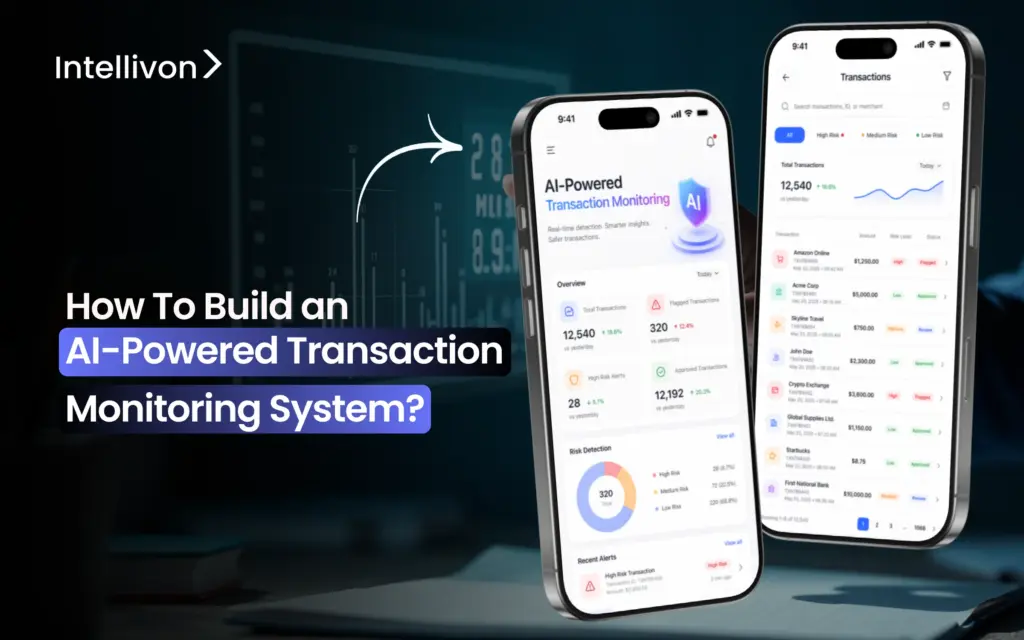
Key Takeaways AI monitoring replaces static thresholds with continuous behavioral analysis, catching suspicious patterns before chargebacks or regulatory flags occur. Effective systems combine supervised models,
What Compliance is Needed for AI Fintech Infrastructure?
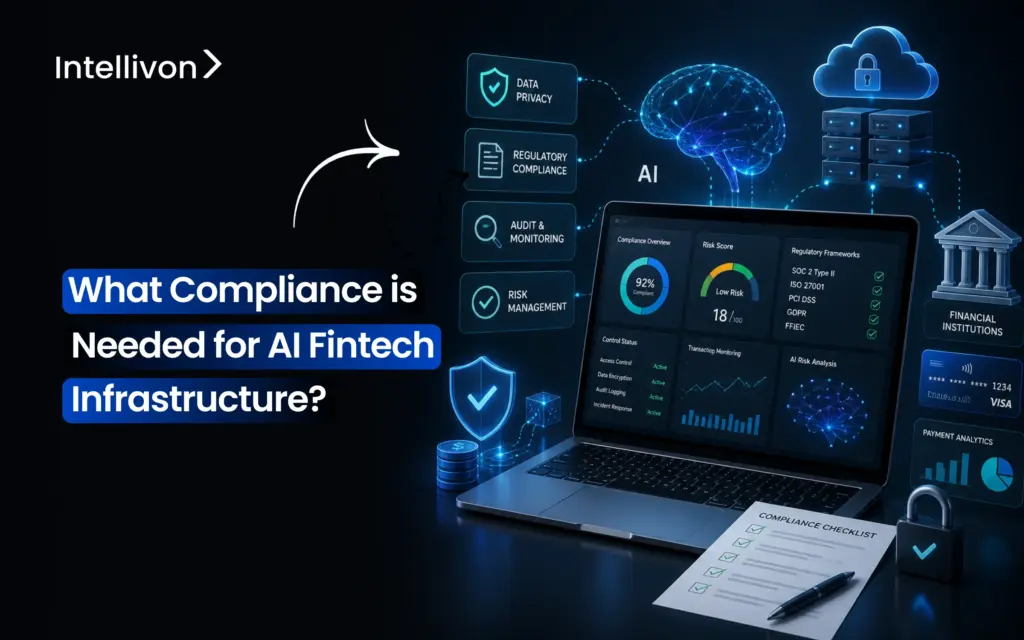
Key Takeaways AI fintech platforms must satisfy AML, KYC, sanctions, data privacy, AI governance, and PCI DSS across multiple jurisdictions from day one. The EU
How To Build a Self-Learning Payment Fraud Detection Engine?
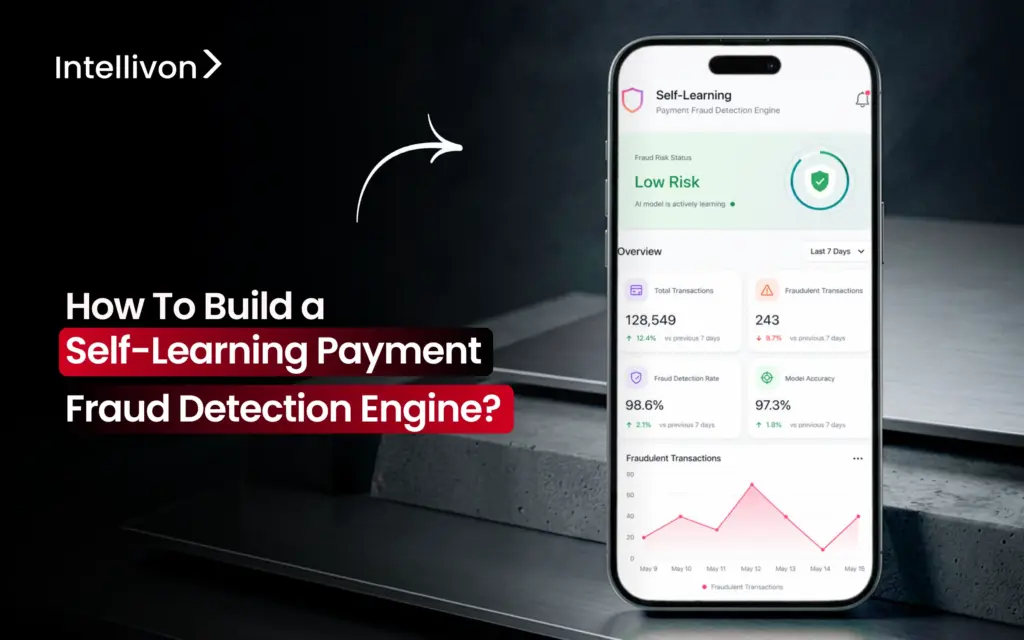
Key Takeaways: Self-learning fraud engines continuously model normal payment behavior and retrain on every confirmed outcome, replacing static rules that miss evolving attack patterns. Effective